A history of Phillipsburg,
then and now
Postcards, papers and photographs of Phillipsburg from public archives, woven together by decade. Neighbors fill in the gaps.
The story
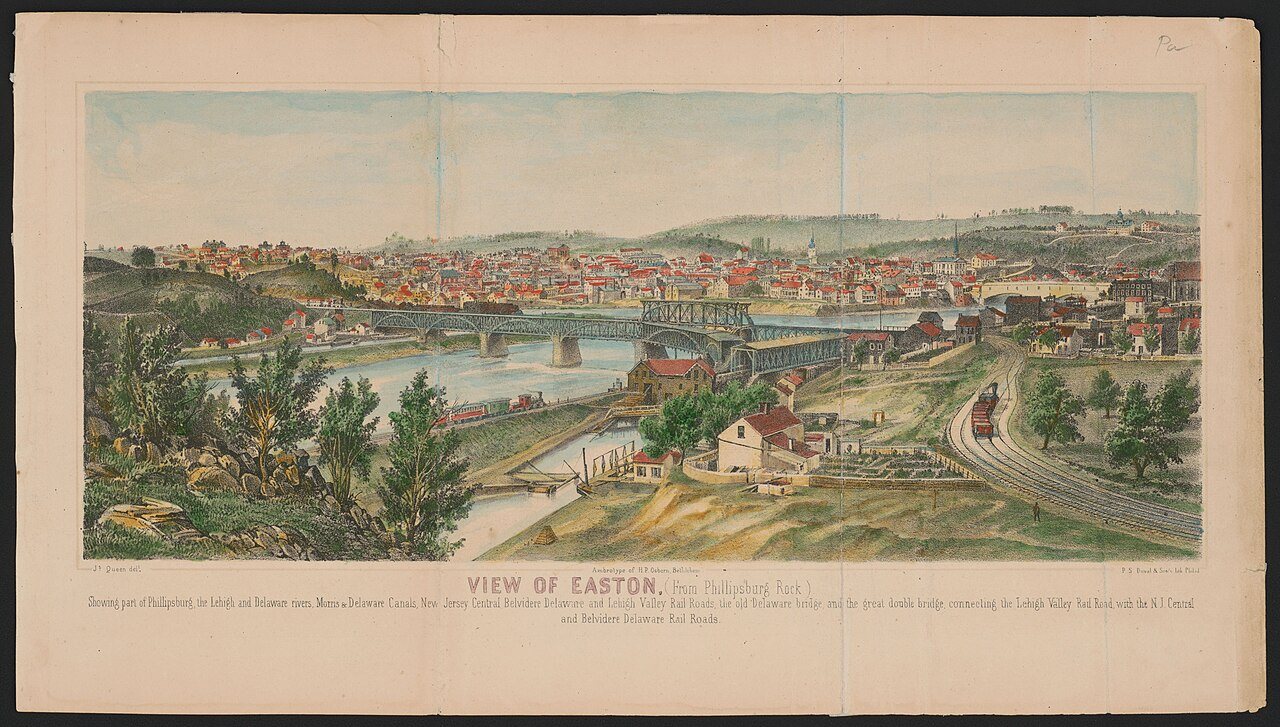
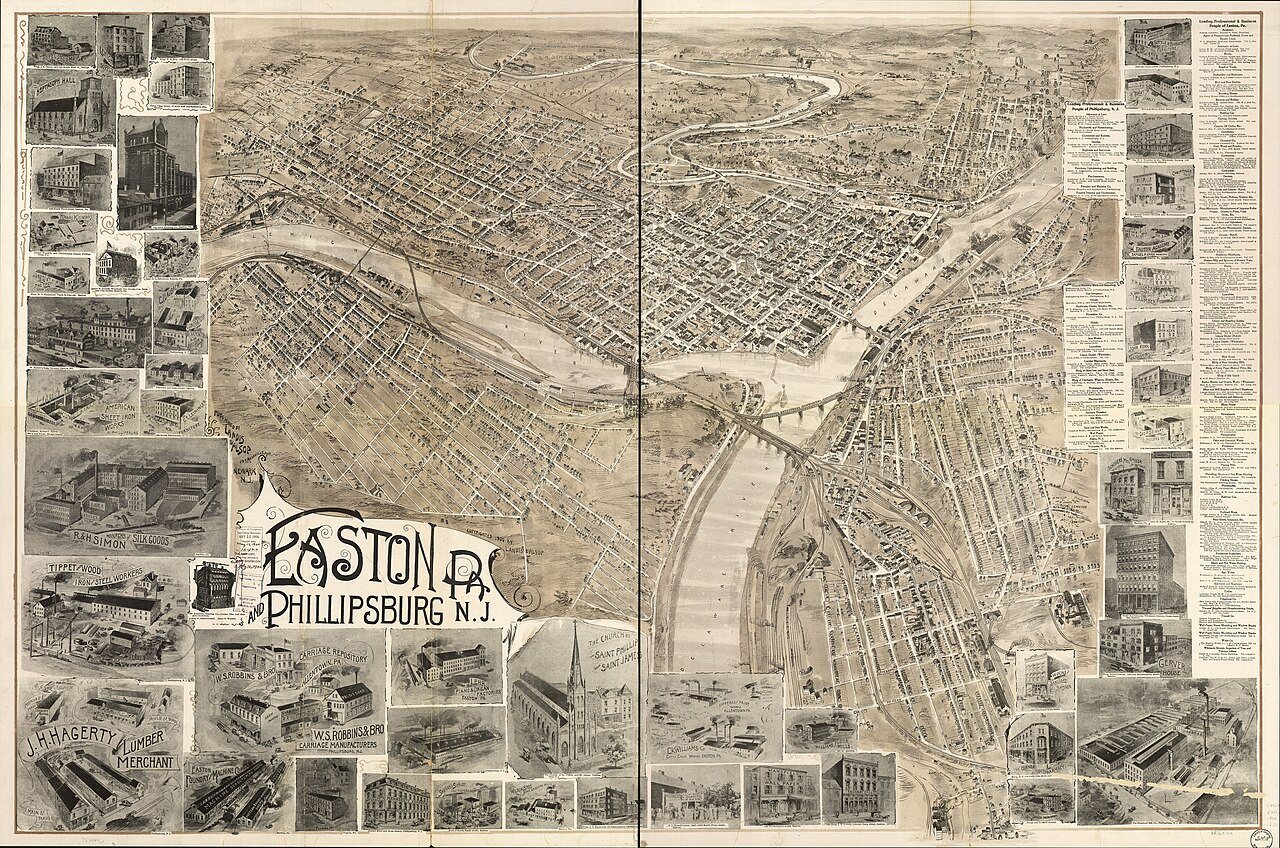
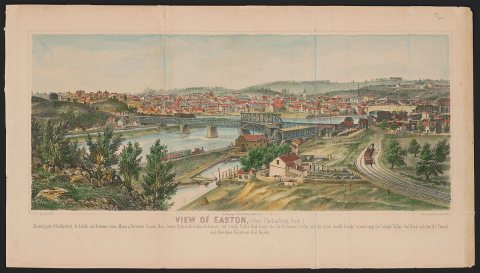
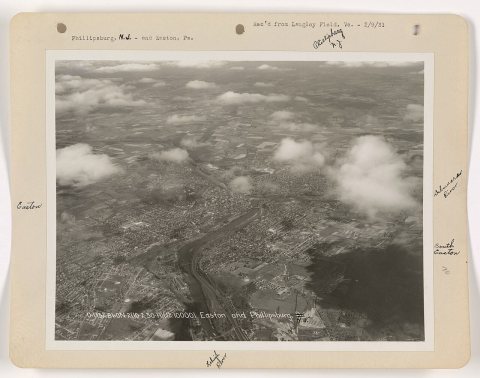
from WikipediaRead it all ↗The town grew from an agricultural village in 1824. It was transformed into a transportation hub and shipping center as the Delaware River terminus of the Morris Canal, with operations commencing in 1831, the first of several transportation infrastructure projects that gave the community a direct connection 107 miles (172 km) to New York City. The Central Railroad of New Jersey soon followed with a connection. The community's growth soon reached the canal terminals of both the Delaware Canal and the Lehigh Canal by its cross-river cable ferry system to Easton, Pennsylvania. In 1853, the Lehigh Valley Railroad connected across the river with the Central Railroad of New Jersey and a passenger short line railroad, the Belvidere Delaware Railroad, and Morris Canal, all within Phillipsburg, which was followed by rapid growth.
Text from Wikipedia, licensed CC BY-SA 4.0.
Timeline
built from the dates on the items belowFinish Phillipsburg’s story
Most archives stop around 1920. The photos from after that are in family albums, not libraries.
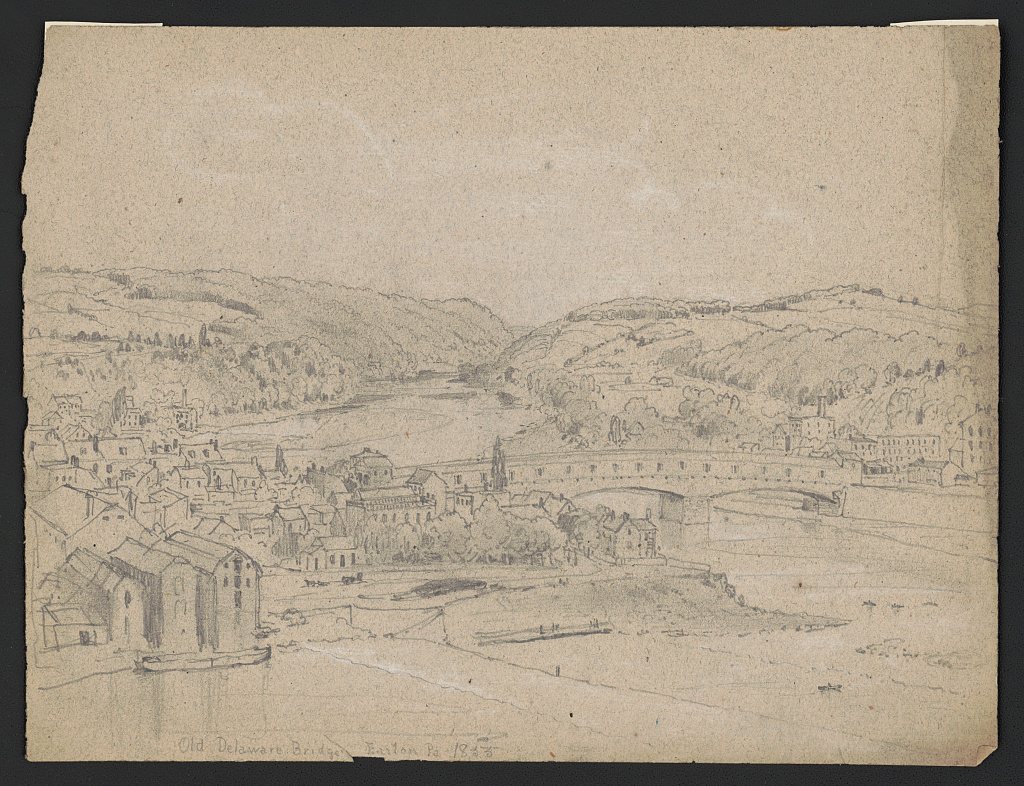
2 of 10 decades since 1900 have photos 🔁Retake an old viewOld Delaware bridge, Easton, Pa. …, 1855: stand where they stood+15 📦Share a family photoSign in to add one+10Phillipsburg, decade by decade
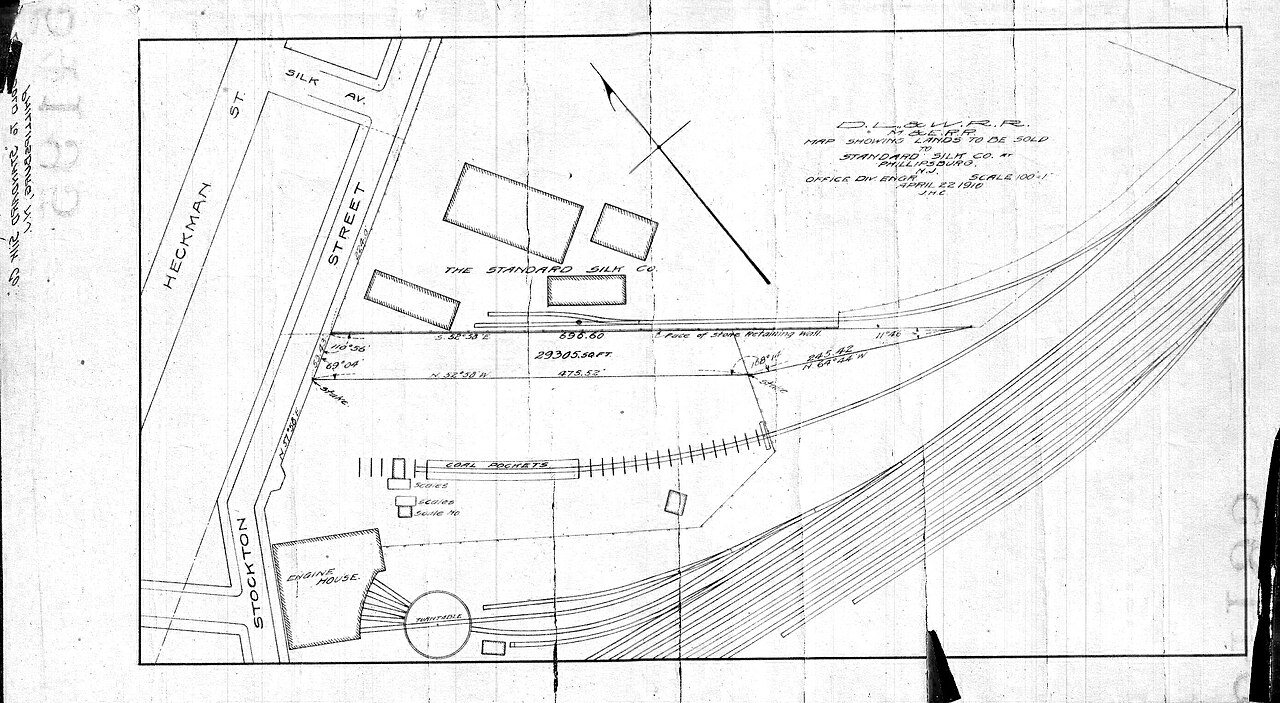
![54195.BB#001--Lands to be conveyed to Standard Silk Company--Phillipsburg, NJ [1910.04.22]](https://images.towntapestry.org/story/11108/1607b4eb91d301ca2de6-s.jpg)
1990s
Then & now
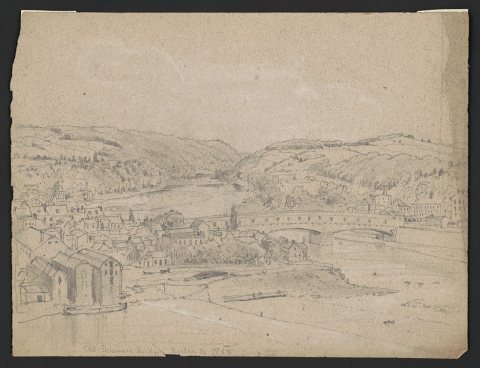
No then-and-now pairs yet. Take a photo from the same spot as Old Delaware bridge, Easton, Pa. 1855 (1855) and it appears here side by side.
🔁 Retake this view · +15Stories next door
nearby towns’ historyFrom Wikimedia Commons (5) and the Library of Congress (1). Images are copied here with their credits and licenses, shown on each photo’s page. Refreshed monthly.