A history of Mandan,
since 1881
Postcards, papers and photographs of Mandan from public archives, woven together by decade. Neighbors fill in the gaps.
The story
from WikipediaRead it all ↗The city was named after the historic indigenous Mandan of the area. The Mandan are now part of the Three Affiliated Tribes of the Fort Berthold Reservation, spanning the upper Missouri River in the western part of the state. Their people also live in cities of the state and other areas. In the 2010 census, nearly 5% of the people in Mandan identified as Native American.
The Mandan Indian village at the southern base of Crying Hill prominent in east Mandan was recorded as early as 1738 and called Good Fur Robe, after their chief. The settlement was also recorded as Crying Hill and Two Face Stone, after their corresponding geographic features. It was one of six Mandan villages on the west riverbank between the Knife and Cannonball Rivers.
Text from Wikipedia, licensed CC BY-SA 4.0.
Timeline
built from the dates on the items belowFinish Mandan’s story
Most archives stop around 1920. The photos from after that are in family albums, not libraries.
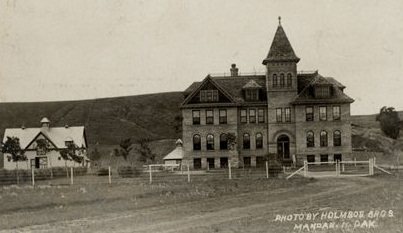
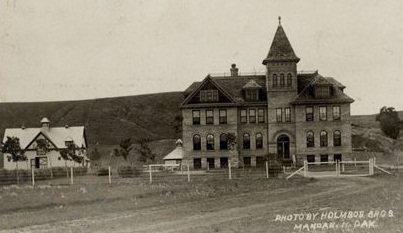
3 of 10 decades since 1900 have photos 🔁Retake an old viewNorth Dakota State Reform School, c. 1907: stand where they stood+15 📦Share a family photoSign in to add one+10Famous people from Mandan
See all 13 →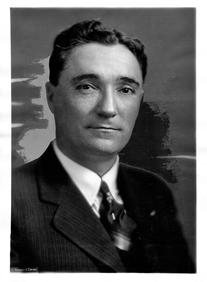


Mandan, decade by decade
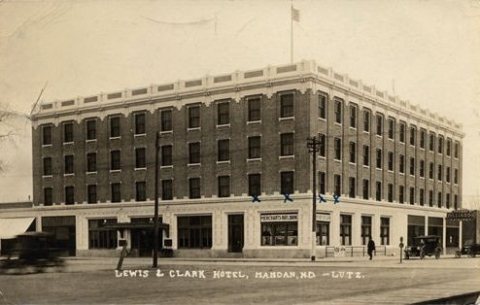
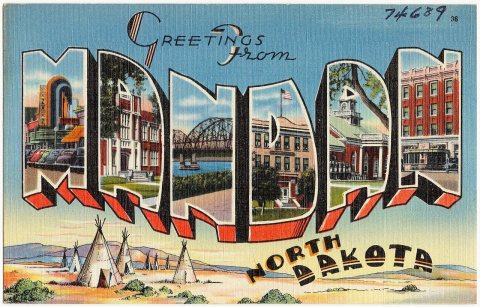
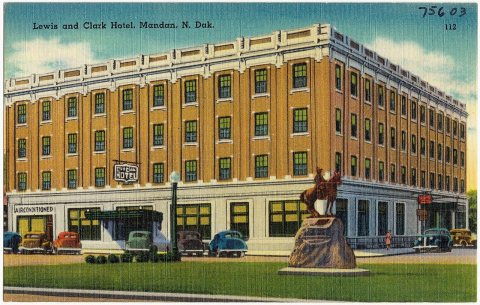
1990s
Then & now
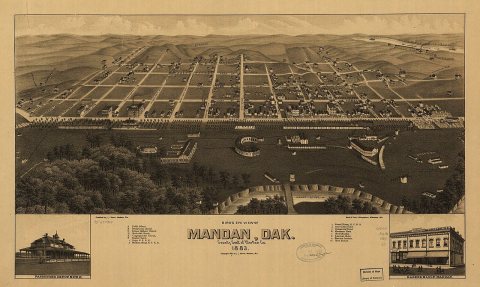
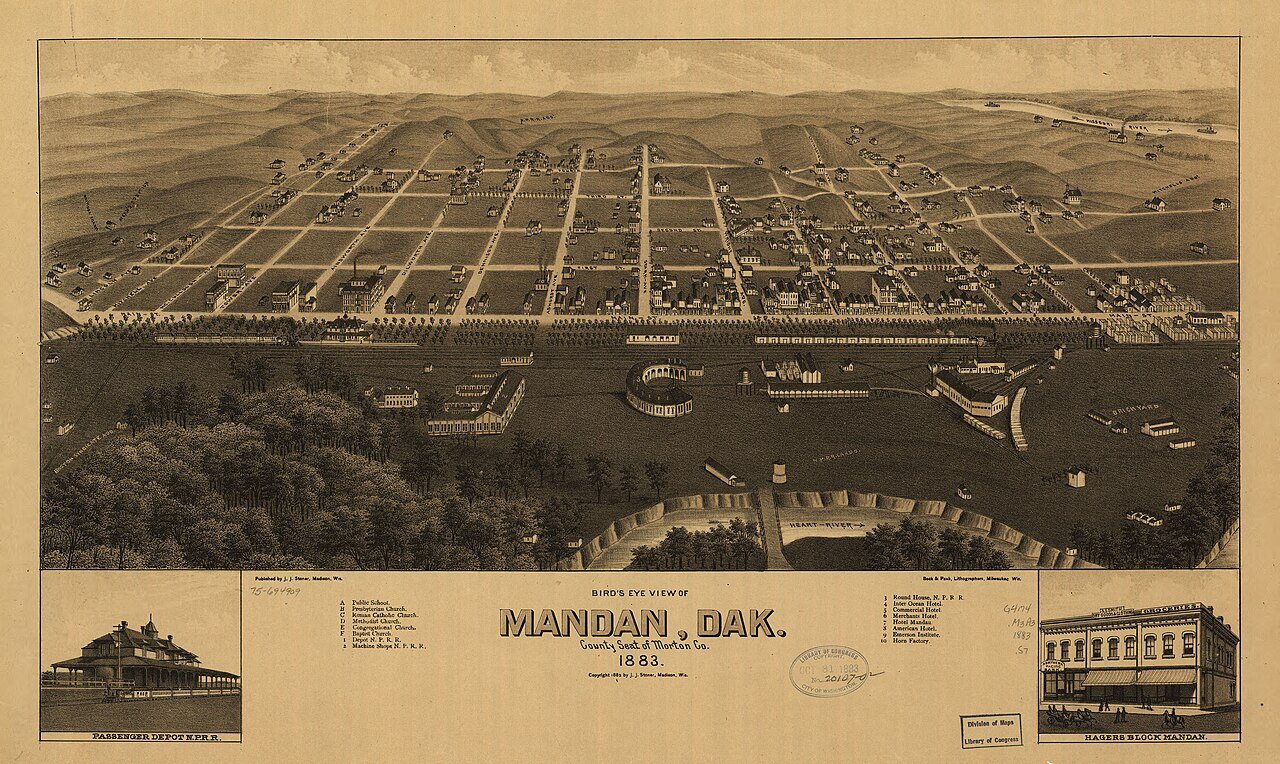
No then-and-now pairs yet. Take a photo from the same spot as Bird's eye view of Mandan, Dak., county seat of Morton Co. 1883 (1883) and it appears here side by side.
🔁 Retake this view · +15Historic places
National Register · via WikidataFrom Wikimedia Commons (5) and the National Register (1). Images are copied here with their credits and licenses, shown on each photo’s page. Refreshed monthly.