A history of Ripley,
then and now
Postcards, papers and photographs of Ripley from public archives, woven together by decade. Neighbors fill in the gaps.
The story
from WikipediaRead it all ↗Ripley was originally owned and settled by William, John, and Lewis Rodgers. They received a grant of 400 acres (1.6 km2) in 1768 where "Sycamore Creek joins Big Mill Creek" (the current site of Ripley). The land was later sold to Jacob (and Ann) Starcher, most probably in 1803. Jacob Starcher erected a grist mill in 1824 and laid out the town in 1830, naming it in honor of Harry Ripley, a young minister who was to be married, but drowned in Big Mill Creek, about one and a half miles north of the town, shortly before the ceremony took place.
Text from Wikipedia, licensed CC BY-SA 4.0.
Timeline
built from the dates on the items belowFinish Ripley’s story
Most archives stop around 1920. The photos from after that are in family albums, not libraries.
2 of 10 decades since 1900 have photos 🔁Retake an old viewSt. John's Episcopal Church, Ripl…, 1902: stand where they stood+15 📦Share a family photoSign in to add one+10Ripley, decade by decade
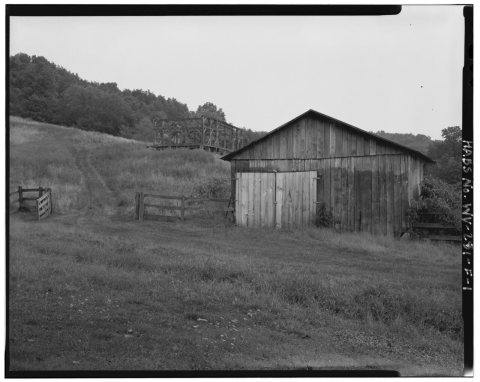
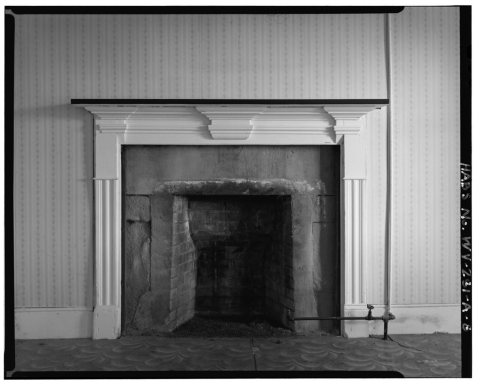
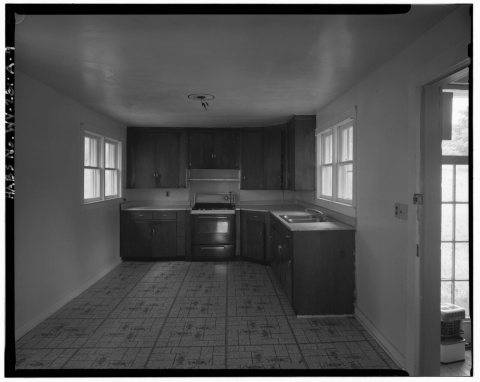
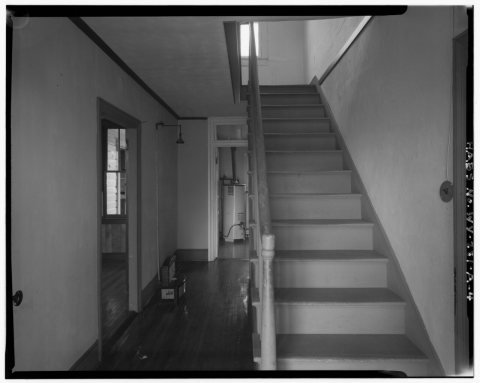
1990s
3 historic places in Ripley
Ripley has 3 listings on the National Register, and they protect 114 historic buildings, because Ripley Historic District alone counts 110.
Where they are
Architectural styles
When they were listed


Then & now
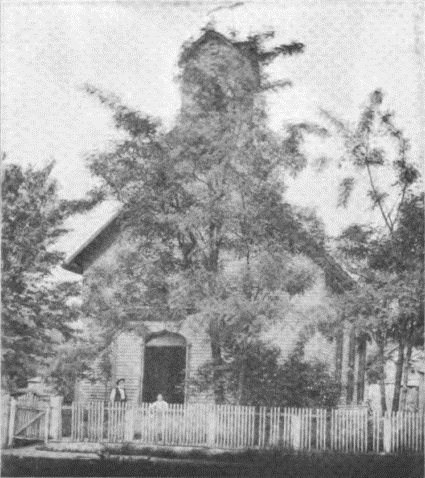
No then-and-now pairs yet. Take a photo from the same spot as St. John's Episcopal Church, Ripley, W.V (1902) and it appears here side by side.
🔁 Retake this view · +15Stories next door
nearby towns’ historyFrom Wikimedia Commons (5) and the National Register (1). Images are copied here with their credits and licenses, shown on each photo’s page. Refreshed monthly.