The story
from WikipediaRead it all ↗The land that is now George Mason was located on the farm of John and Harriet Burtis, originally of New York State; the Burtises were abolitionists who grew vegetables and raised sheep. On May 25, 1861, Corporal John Barnes of the C.S.A. 17th Virginia Infantry Regiment's Company D, also known as the Fairfax Rifle Rangers, riding with his companion, ordered Burtis to give him provisions. Burtis procured several of his sheep for the Corporal, but refused to use his team of horses to move them to the Confederate camp in Fairfax Station. Barnes eventually convinced a local free black man to move the sheep for him, but loudly declared in the presence of the man that he would arrest Burtis and seize his team. Burtis, having learned of the danger he was in, left with his wife and his team, taking a "...circuitous route through the woods", eventually reaching Washington.
Text from Wikipedia, licensed CC BY-SA 4.0.
Start George Mason’s collection
The first neighbors to add old photos shape how George Mason’s history is told.
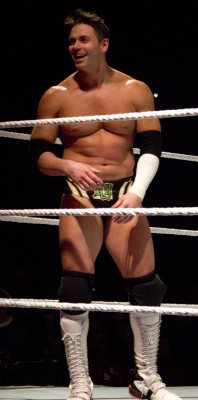
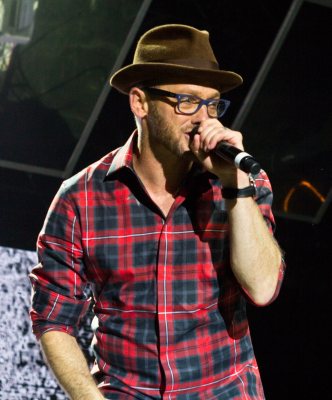
0 of 10 decades since 1900 have photos 📦Share a family photoSign in to add one+10Famous people close to George Mason
See all 22 →


George Mason, decade by decade
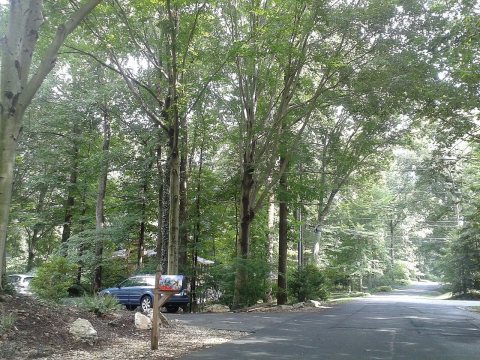
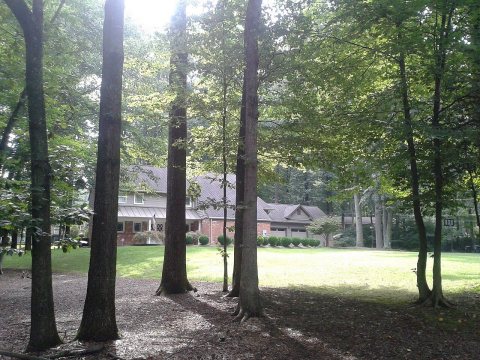
2000
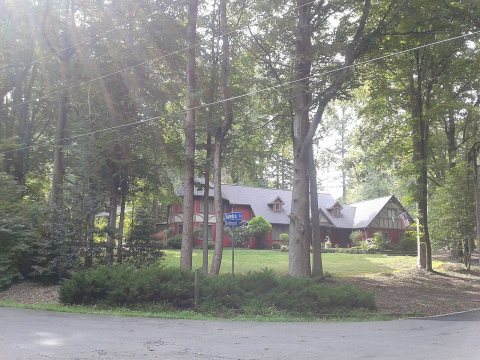
Nothing in George Mason is on the National Register yet
That’s true of most small towns. It doesn’t mean George Mason has no history, only that no one has written up a nomination. The closest listed place is Fairfax County Courthouse in Fairfax, 0.5 miles away.
George Mason and the nearest listed places


How a place gets listed
Then & now
When neighbors add old photos, retakes from the same spot appear here side by side.
Stories next door
nearby towns’ historyFrom Wikimedia Commons (3). Images are copied here with their credits and licenses, shown on each photo’s page. Refreshed monthly.