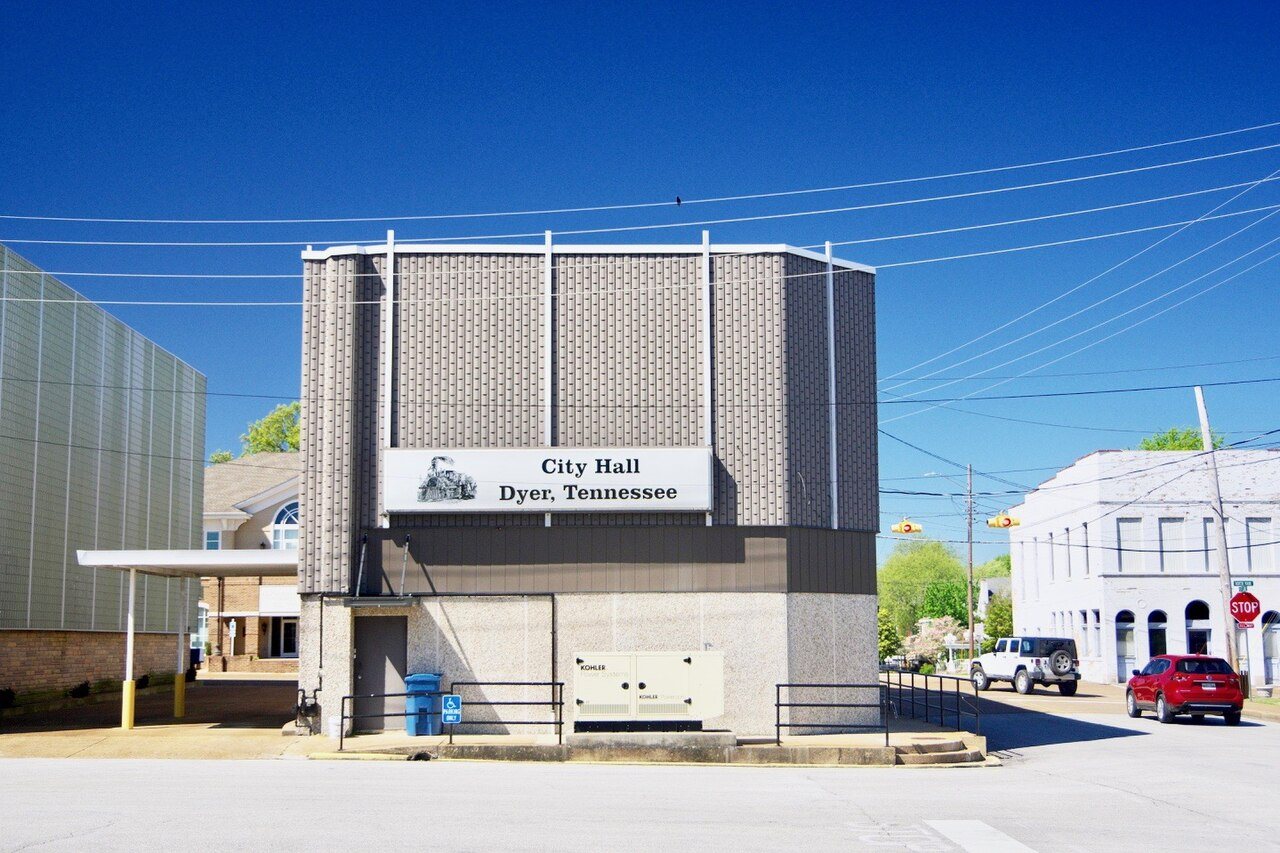
2019 · Dyer-City-Hall-tn · Wikimedia Commons
Dyer’s story
Dyer in pictures
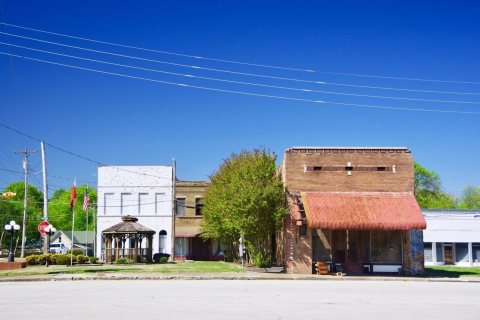
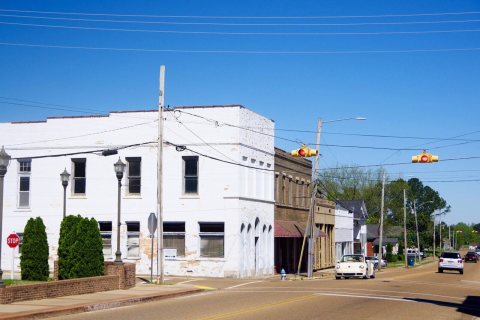
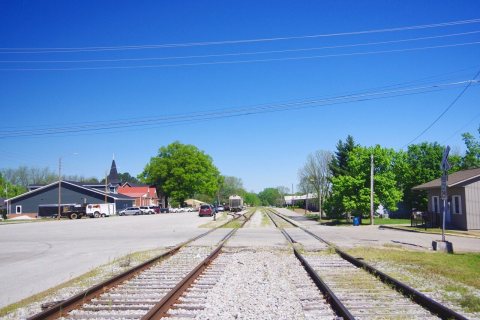
4 postcards, papers and photographs from public archives.
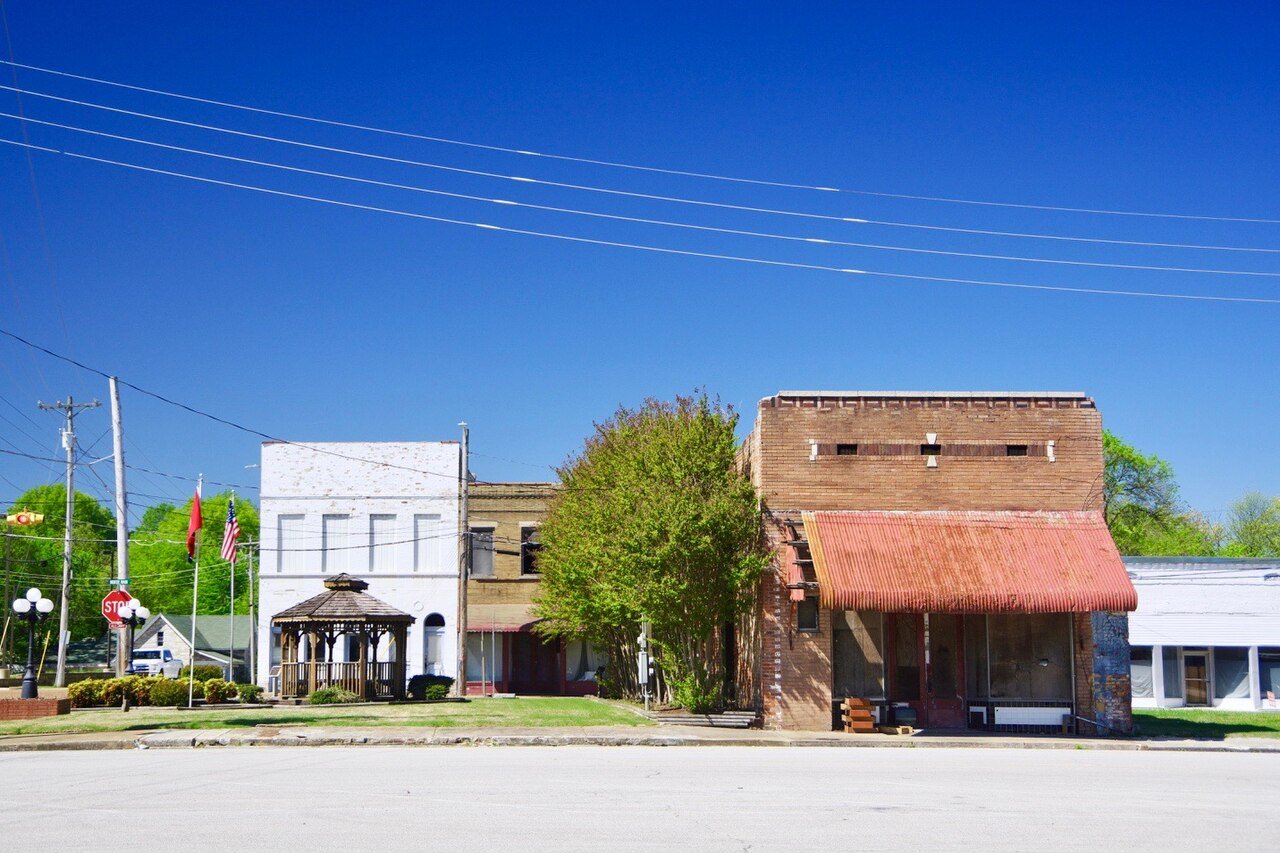
A town of 2,217. Healthier than 92% of U.S. towns.
The 3 things Dyer does most differently from other towns.
Where Dyer’s working residents go each day. Line width shows the share.
Census LEHD 2023
Be the first to start the conversation.
Ordered by what stands out in Dyer. Another town gets a different order.
Dyer beats the Tennessee average on 0 of 26 CDC measures and trails it on 13.
| What stands out | Dyer | TN |
|---|---|---|
| More older adults who have lost all their teeth | 19.8% | 14.6% |
| More adults who have had a stroke | 4.9% | 3.7% |
| More adults with COPD | 11.3% | 8.6% |
The public schools Dyer’s kids attend, from kindergarten through graduation, outperform 90% of Tennessee’s districts on state tests and graduation. Among towns with similar incomes, they rank near the top.
| School | Grades | Students | Grade |
|---|---|---|---|
| Dyer Elementary | PK–8 | 381 | B |
The typical Dyer home is worth about $159,000, up 5% in a year, 52% below the Tennessee typical home.
Expected storm and flood damage is higher than in 84% of U.S. communities.
Most working residents leave Dyer for work: only 9% work in town. The top destinations are Jackson (13%), Trenton (12%) and Humboldt (6%). Half commute less than 22 miles.
Dyer has mild winters and warm summers, with plenty of rain. A typical July afternoon reaches 89°, a January night drops to 29°, and about 3 inches of snow falls in a normal winter.
Dyer's reported crime rate is well below Tennessee's. Most reported incidents are property crimes. 4 violent crimes were reported in 2025.
1.2 miles of trails across 1 parks and preserves.
| Biggest places to walk | Trails | Acres |
|---|---|---|
| 1. David Robinson Park | 0.9 mi | 29 |
4 postcards, papers and photographs from public archives.
City in Tennessee, United States
Dyer is a city in Gibson County, Tennessee, United States. As of the 2020 census, Dyer had a population of 2,308. Dyer was originally known as Dyer Station, a name given by railroad workers in the early days of rail.
From Wikipedia, licensed CC BY-SA 4.0 · facts via Wikidata (CC0)