The story
from WikipediaRead it all ↗What was to become Cayce was home to Native Americans for at least 12,000 years. This includes what are now known as the Manning Archeological Site, the SAM Site, and the Taylor Site.
Spanish explorer Hernando de Soto reached the area in 1540, encountering a large native village at Congaree Creek, where Cayce now stands. Near the end of the 17th century, explorer John Lawson visited and documented his trip. In 1718, during the colonial period, the English built the first permanent fort, the first structure built in the Midlands. A second fort was built on the river in 1748. These were referred to as Congaree Fort #1 and Congaree Fort #2, and became part of the Congarees Site in 1974.
Text from Wikipedia, licensed CC BY-SA 4.0.
Start Cayce’s collection
The first neighbors to add old photos shape how Cayce’s history is told.
0 of 10 decades since 1900 have photos 📦Share a family photoSign in to add one+10Cayce, decade by decade
2000
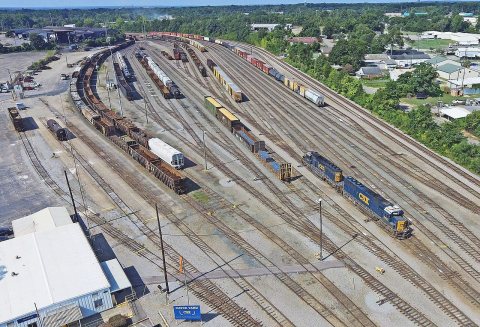 CommonsCSXT Cayce Yard 8-28-18 - Flickr - Reginald T. McDowell Sr2018
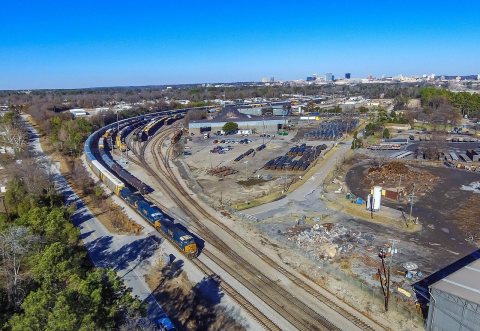 CommonsCSX Q211 Cayce, SC 1-18-182018
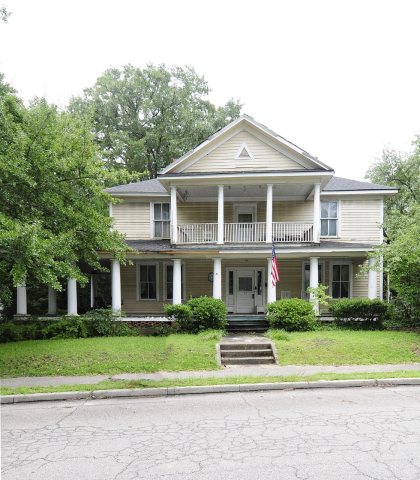 CommonsWilliam J Cayce House2012
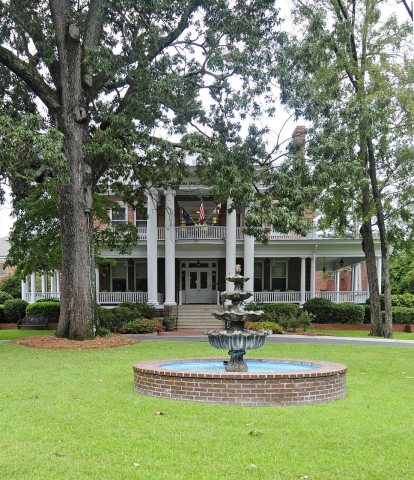 CommonsStill Hopes2012
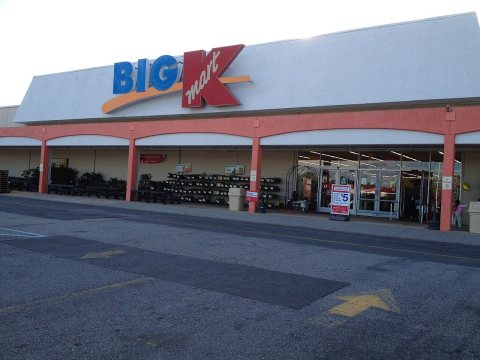 CommonsKmart Cayce-Columbia, SC2012
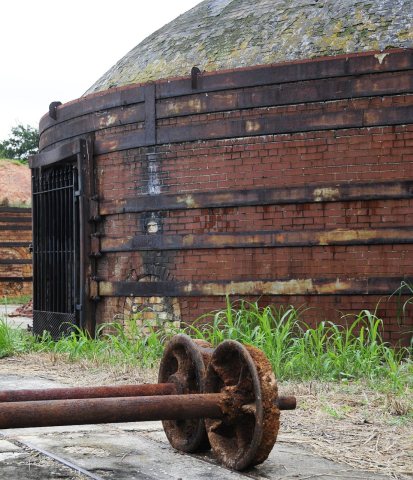 CommonsGuignard Brick Works2012
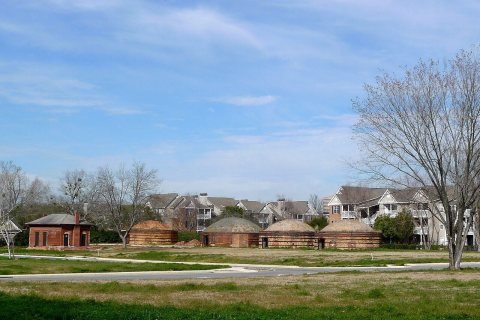 CommonsGuignard Brick Works - kilns2012
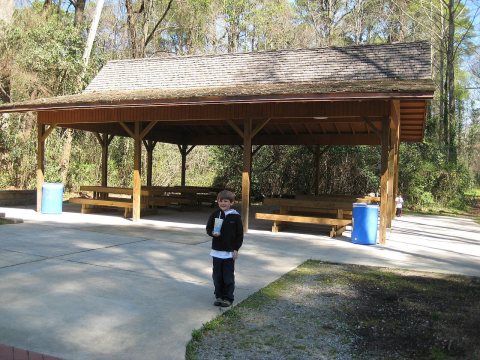 CommonsRiverwalk - panoramio - Jose M Vidal2008
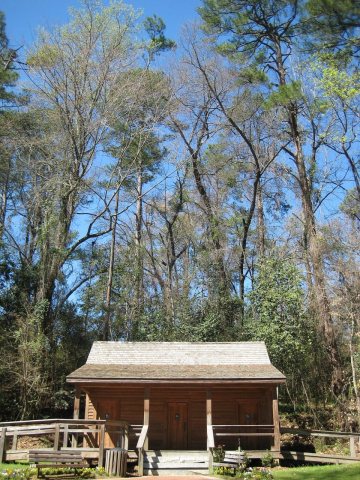 CommonsCayce, SC, USA2008
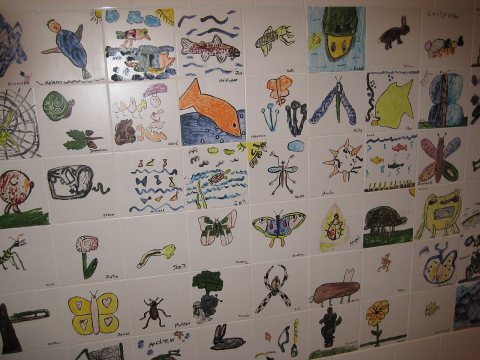 CommonsBathroom tile2008
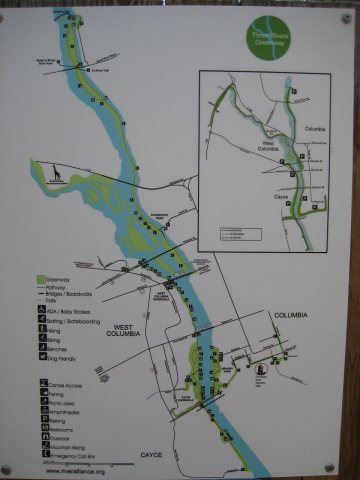 MapRiverwalk map2008
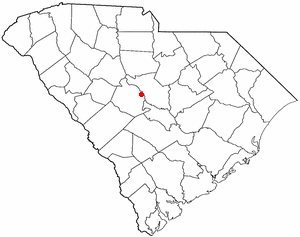 CommonsSCMap-doton-Cayce2004
Then & now
When neighbors add old photos, retakes from the same spot appear here side by side.
Stories next door
nearby towns’ historyFrom Wikimedia Commons (12). Images are copied here with their credits and licenses, shown on each photo’s page. Refreshed monthly.