Work & commute in Robinson Township · A commuter town
96% of Robinson Township’s working residents leave town for work
Most working residents leave Robinson Township for work: only 4% work in town. The top destinations are Pittsburgh (11%), North Fayette Township (7%) and Moon Township (4%). Half commute less than 13 miles.
Robinson Township makes things: 44% of its jobs are in goods
381 jobs are based in Robinson Township. Here is what they are, next to the jobs Robinson Township’s own residents hold wherever they work.
Jobs based in Robinson TownshipJobs Robinson Township residents hold
What kind of work
Goods: factories, building, farms44%20%
Trade, transport & utilities26%25%
Services: health, schools, offices30%55%
What it pays
$1,250 a month or less21%14%
$1,251–$3,333 a month16%25%
Over $3,333 a month63%61%
Who does it
29 or younger19%23%
30 to 5455%54%
55 and older26%24%
+144%
Jobs based in Robinson Township, 2013 → 2023: 156 → 381. Big swings can come from how a large employer reports its locations, not only from real openings or closings.
Primary jobs covered by unemployment insurance (not the self-employed). Pay is monthly earnings. LEHD 2023.
Day and night
Robinson Township quiets down on a workday
On a workday 799 residents head out to work, 32 work right here, and 349 people come in from elsewhere.
799live here, work elsewhere
32live and work here
349work here, live elsewhere
Night and day
At night1,700
Workday1,300
1,700live here− 800head out to work+ 350come in to work= 1,300on a workday
About 1,300 people are in Robinson Township on a workday afternoon, 26% fewer than live here.
Job hub or commuter town?
0.46 jobs for every working resident, so most people commute out.
Workday population = residents − those who work elsewhere + those who come in (the Census “commuter-adjusted” method). Residents: Census survey; commuters: LEHD 2023, primary jobs.
The commute map
11% of working residents work in Pittsburgh
A thicker line means more commuters. Switch between where residents work and where the people who work here live.
Every worker, home to work. The Census links each worker’s home block to their main job’s block, for jobs covered by unemployment insurance. That’s most jobs, but not the self-employed.
•
Where the employer says. A job counts where the employer reports it. Some big employers report one address for many sites, which can make a few commutes look longer than they are.
•
Two surveys. Flows, distances and jobs: LEHD 2023. Commute time, working from home and working out of state: the Census American Community Survey.
•
Straight lines. Distances are as the crow flies between home and work. Roads, rivers and traffic make the real trip longer.
Flows, distances and jobs: U.S. Census Bureau, LEHD Origin-Destination Employment Statistics (LODES 8), 2023, primary jobs. Commute time, working from home and working out of state: U.S. Census Bureau, American Community Survey 5-year estimates. Distances are straight lines between home and work; real drives run longer.
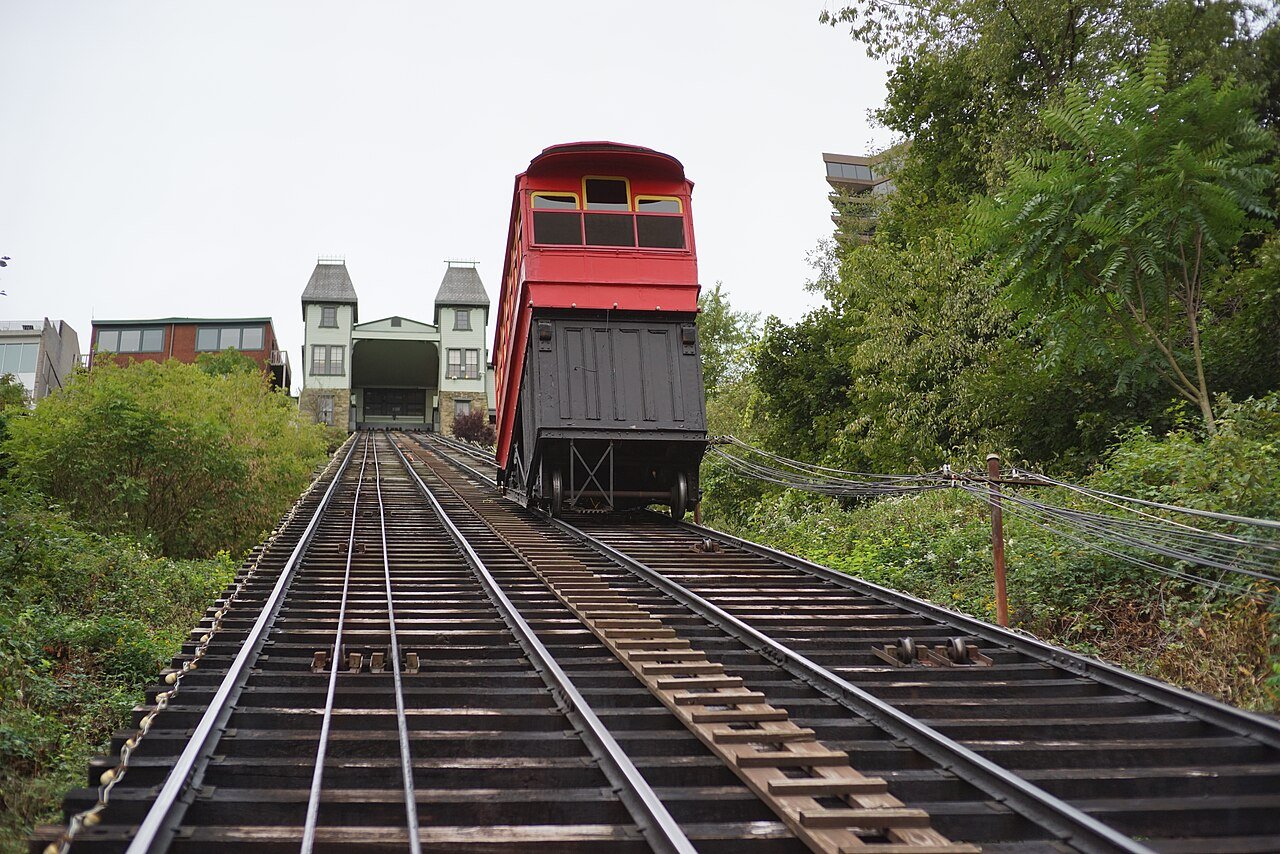 11% of workers
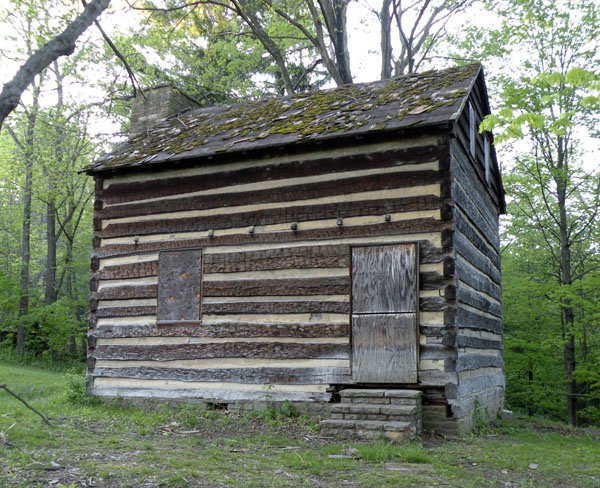 7% of workers
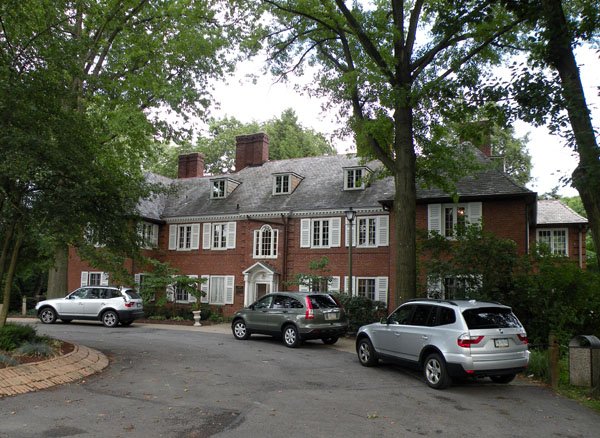 4% of workers