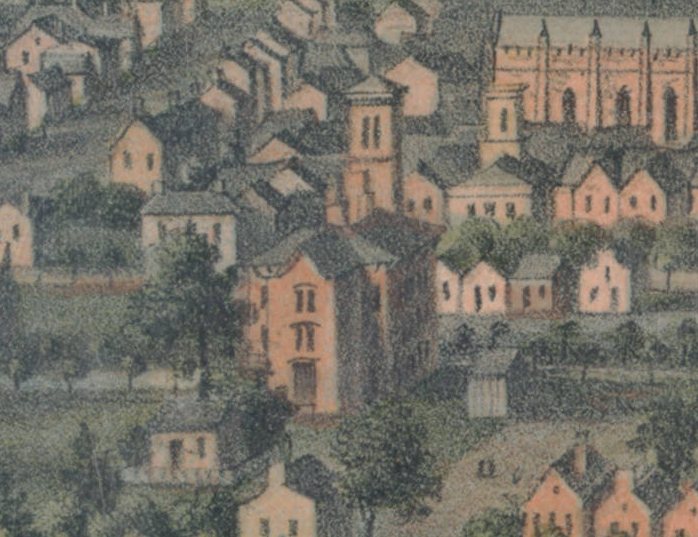
Columbus’s history is
mostly unwritten
The public archives hold only 2 old photos of Columbus. The rest are in attics, shoeboxes and the historical society. Help start the collection.
The story
from WikipediaRead it all ↗Between 1000 B.C. and 1700 A.D., the Columbus metropolitan area was a center to indigenous cultures known as the Mound Builders, including the Adena, Hopewell and Fort Ancient peoples. Remaining physical evidence of the cultures are their burial mounds and what they contained. Most of Central Ohio's remaining mounds are located outside of Columbus city boundaries, though the Shrum Mound is maintained, now as part of a public park and historic site. The city's Mound Street derives its name from a mound that existed by the intersection of Mound and High Streets. The mound's clay was used in bricks for most of the city's initial brick buildings; many were subsequently used in the Ohio Statehouse. The city's Ohio History Center maintains a collection of artifacts from these cultures.
Text from Wikipedia, licensed CC BY-SA 4.0.
Timeline
built from the dates on the items belowStart Columbus’s collection
The first neighbors to add old photos shape how Columbus’s history is told.
0 of 10 decades since 1900 have photos 🔁Retake an old viewState Street school, 1854: stand where they stood+15 📦Share a family photoSign in to add one+10Columbus, decade by decade
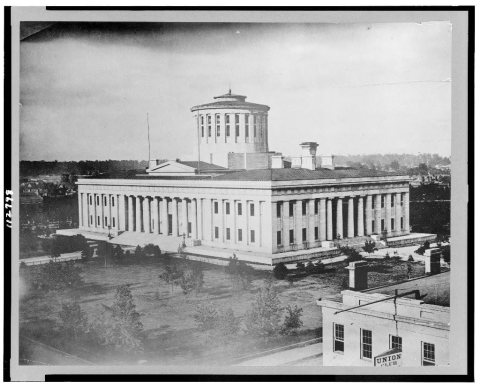
Then & now
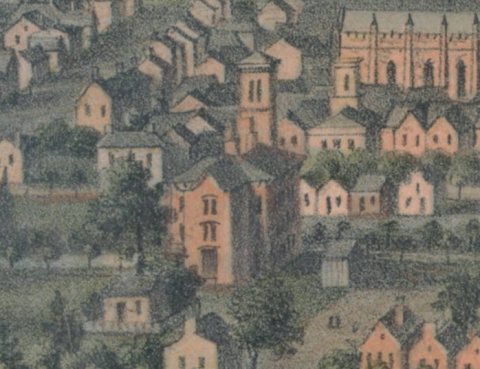
No then-and-now pairs yet. Take a photo from the same spot as State Street school (1854) and it appears here side by side.
🔁 Retake this view · +15Historic places
National Register · via Wikidata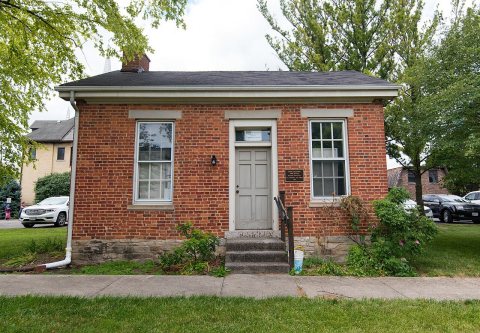
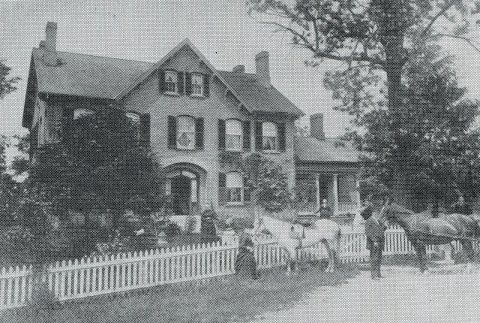
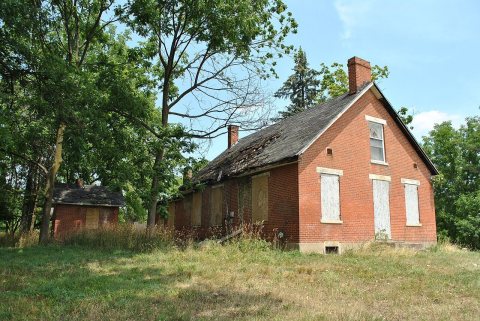
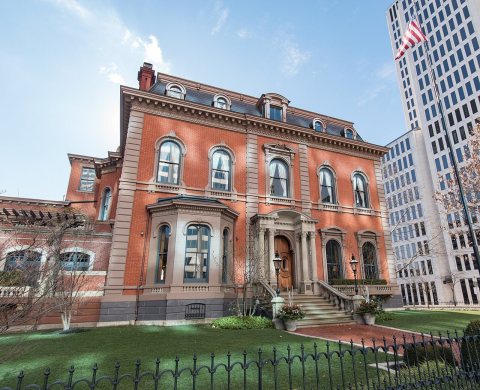
From Wikimedia Commons (1), the Library of Congress (1) and the National Register (4). Images are copied here with their credits and licenses, shown on each photo’s page. Refreshed monthly.