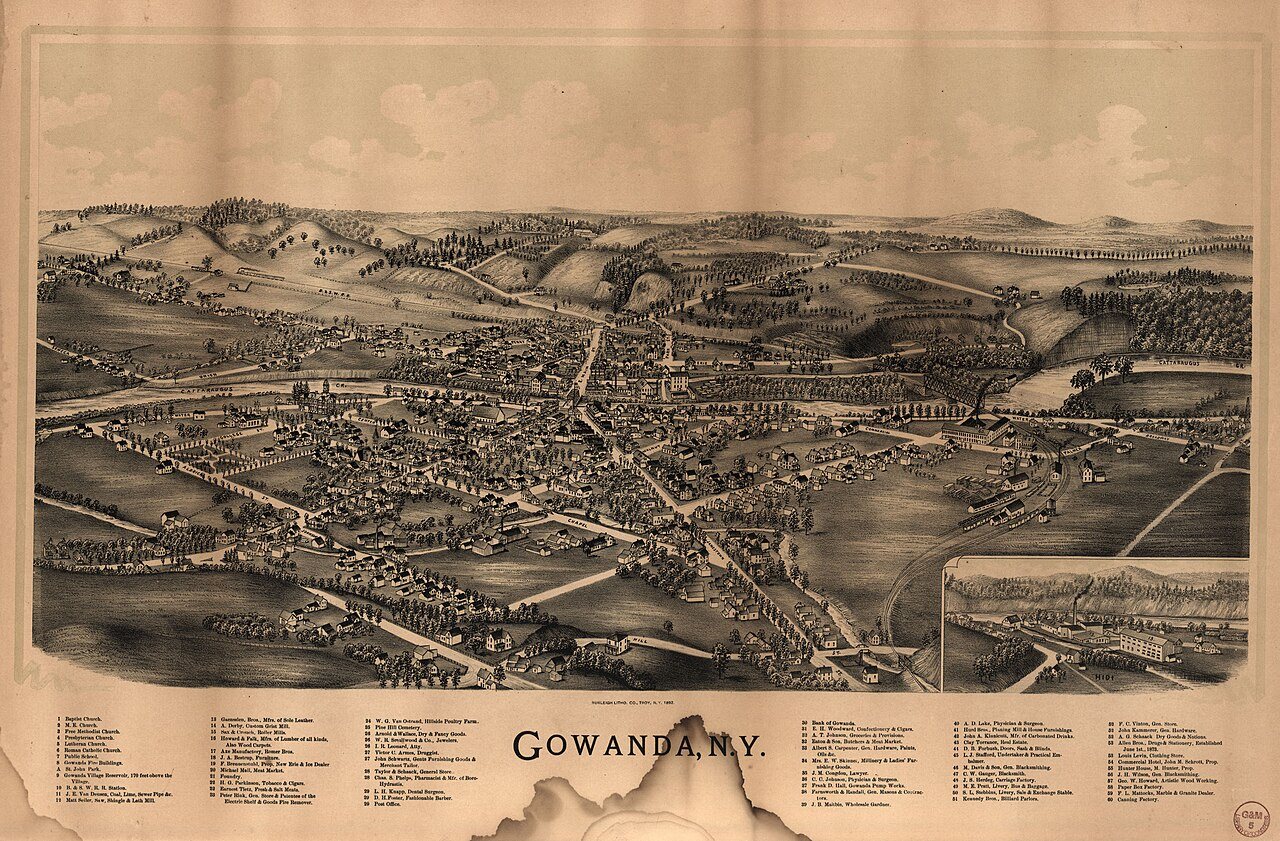
A history of Gowanda,
then and now
Postcards, papers and photographs of Gowanda from public archives, woven together by decade. Neighbors fill in the gaps.
The story
from WikipediaRead it all ↗The area was first inhabited during the Stone Age by nomadic Algonquian peoples. An Algonquian earthwork mound from the first or second Stone Age is located on a farm in the area of Rosenberg along Zoar Valley near Gowanda. The mound is believed to be about 3,500 years old. Artifacts including spearheads, copper heads, and stone implements of a crude nature have been excavated from the site. In the latter half of the 14th century, Iroquoian-speaking peoples traveled to the area and lived along Cattaraugus Creek. They were proud, considering themselves to be "chosen people". Other tribes lived in the area around this time. The powerful nations of the Haudenosaunee Confederacy (Iroquois) defeated the Erie people (also an Iroquoian-speaking tribe), driving them out of the area or assimilating captives by adoption in certain clans. About this time, the Five Nations of the Confederacy coales…
Text from Wikipedia, licensed CC BY-SA 4.0.
Timeline
built from the dates on the items belowFinish Gowanda’s story
Most archives stop around 1920. The photos from after that are in family albums, not libraries.
0 of 10 decades since 1900 have photos 🔁Retake an old viewClarence Center (Village); Claren…, 1866: stand where they stood+15 📦Share a family photoSign in to add one+10Gowanda, decade by decade
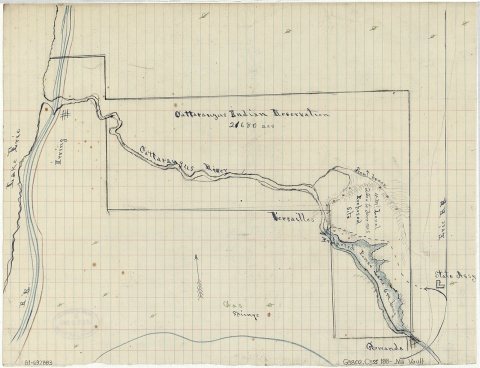
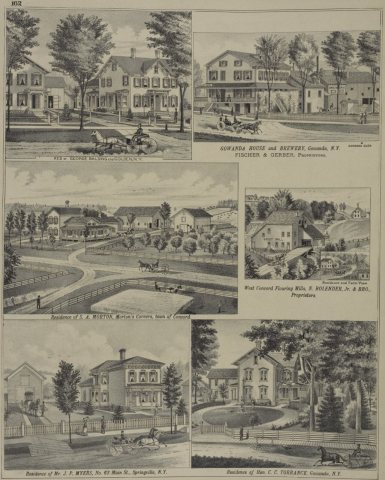
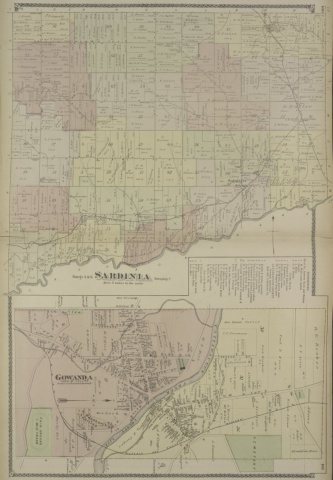
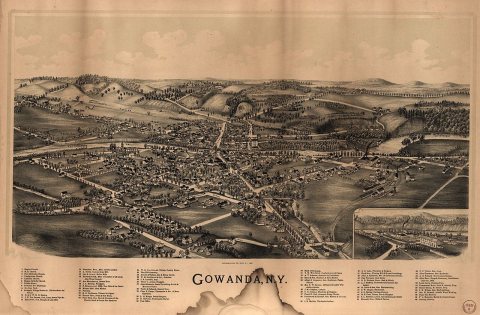
1990s
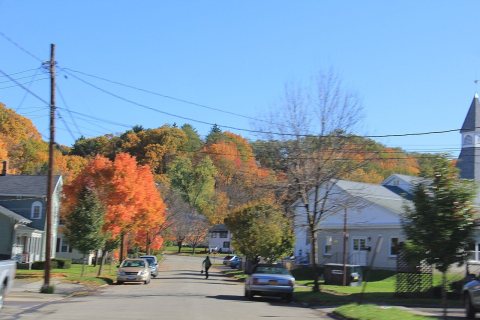
Then & now
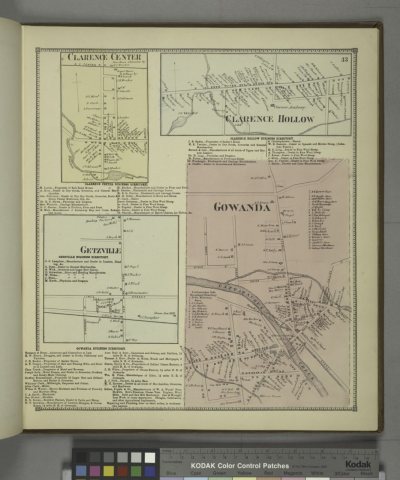
No then-and-now pairs yet. Take a photo from the same spot as Clarence Center (Village); Clarence Center Business Directory; Clarence Hollow (Village); Clarence Hollow Business Dire… (1866) and it appears here side by side.
🔁 Retake this view · +15Stories next door
nearby towns’ historyFrom Wikimedia Commons (6). Images are copied here with their credits and licenses, shown on each photo’s page. Refreshed monthly.