A history of Chittenango,
since 1842
Postcards, papers and photographs of Chittenango from public archives, woven together by decade. Neighbors fill in the gaps.
The story
from WikipediaRead it all ↗The name of the village is derived from the Oneida name for Chittenango Creek, Chu-de-nääng′, meaning "where the water falls down". While the name "Chittenango" is often thought by locals to mean "river flowing north" or "where the waters divide and run north", a reference to the direction of water flow from the creek's point of origin to Oneida Lake, there is no derivation for these alternatives. On an 1825 map of the area, the village is called Chittening, a name used by early settlers which is thought to be derived directly from Chu-de-nääng′. According to American anthropologist Lewis H. Morgan, who studied Iroquois customs and language in his 1851 book League of the Iroquois, the name "Chittenango" may have come from Chu-de-nääng′ Ga-hun′-da, a redundant combination of the Oneida terms for "Chittenango Creek" (Chu-de-nääng′) and "creek" (Ga-hun′-da).
Text from Wikipedia, licensed CC BY-SA 4.0.
Timeline
built from the dates on the items belowFinish Chittenango’s story
Most archives stop around 1920. The photos from after that are in family albums, not libraries.
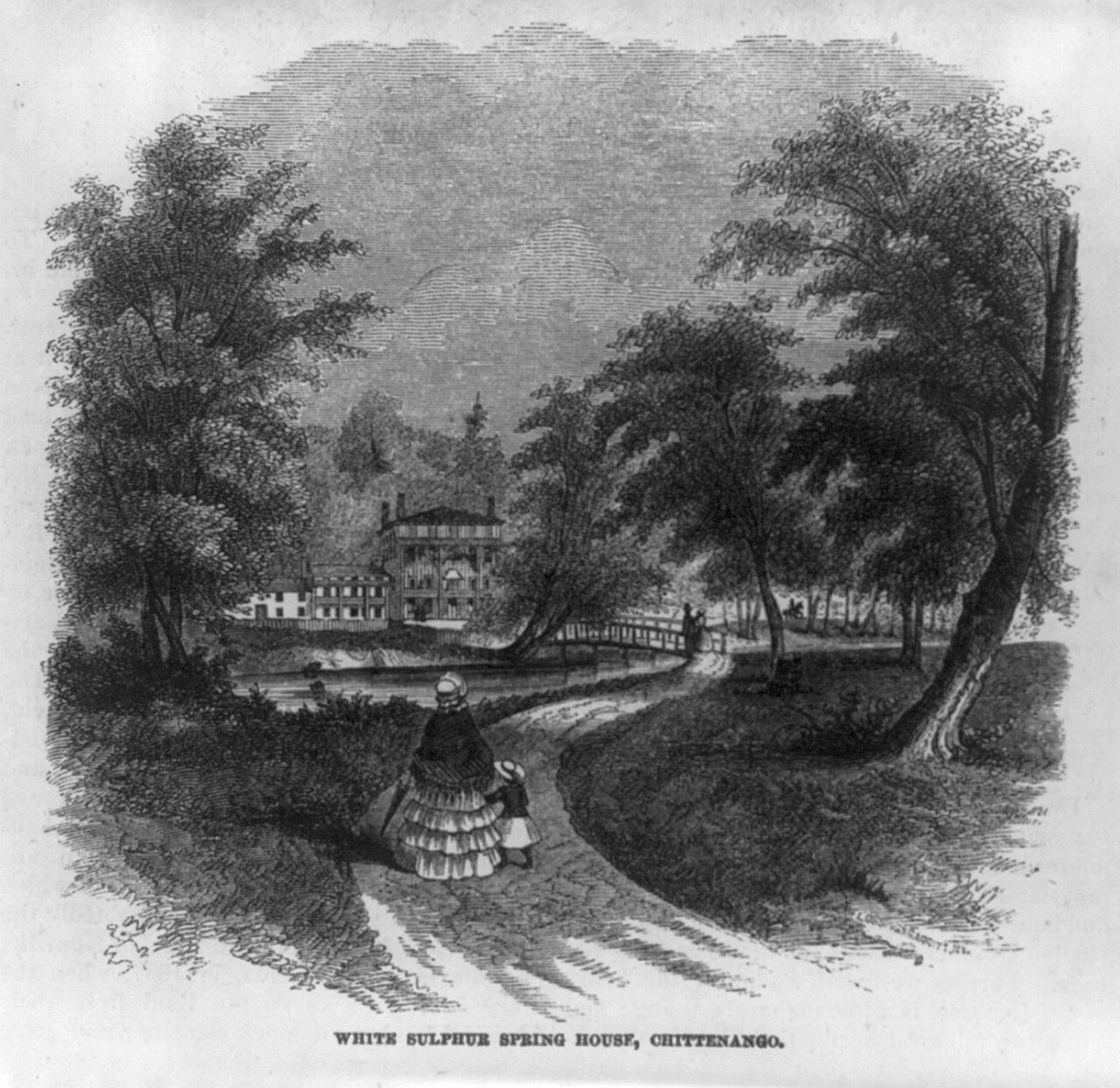
1 of 10 decades since 1900 have photos 🔁Retake an old viewWhite Sulphur Spring House, 1856: stand where they stood+15 📦Share a family photoSign in to add one+10Famous people from Chittenango
See all 6 →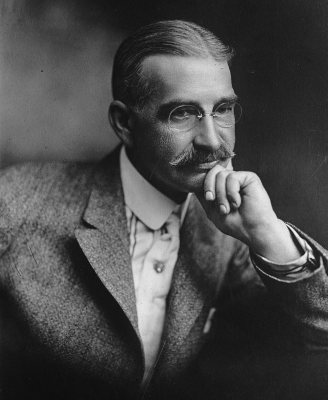

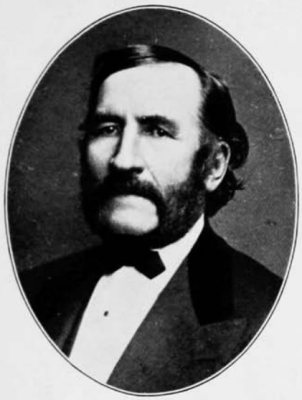
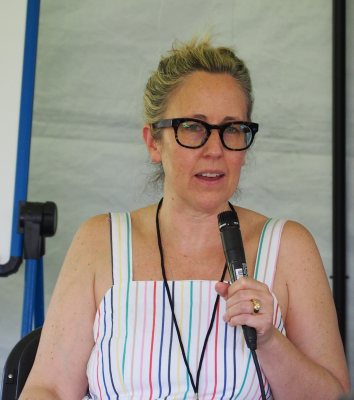
Chittenango, decade by decade
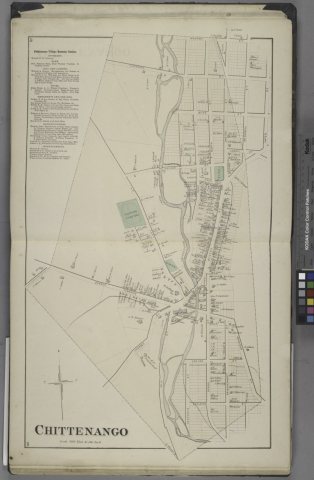
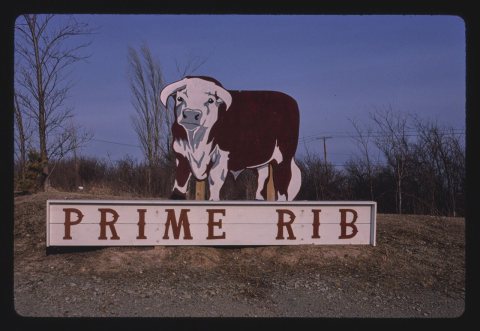
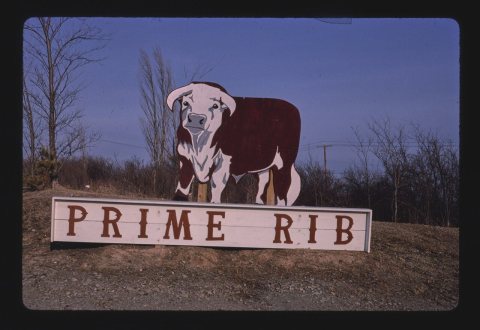
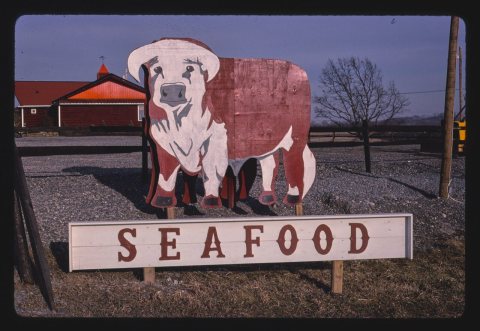
1990s
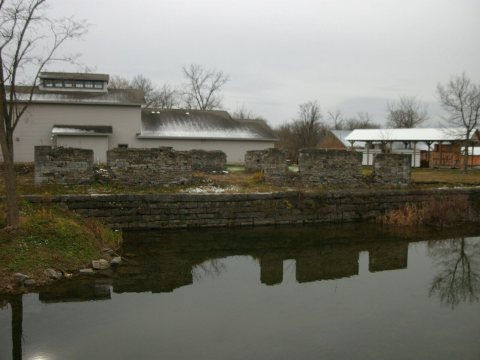
Then & now
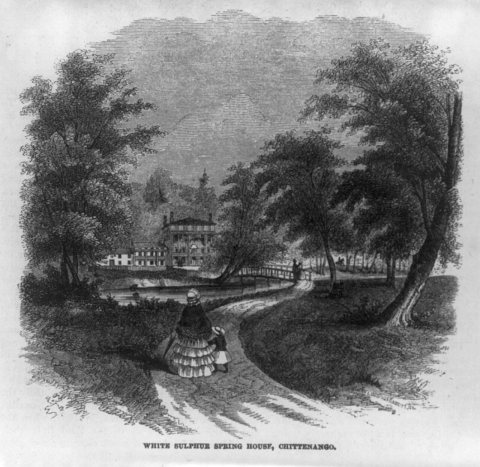
No then-and-now pairs yet. Take a photo from the same spot as White Sulphur Spring House (1856) and it appears here side by side.
🔁 Retake this view · +15Stories next door
nearby towns’ historyFrom Wikimedia Commons (6). Images are copied here with their credits and licenses, shown on each photo’s page. Refreshed monthly.