Española’s history is
mostly unwritten
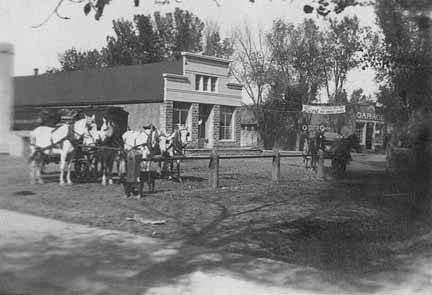
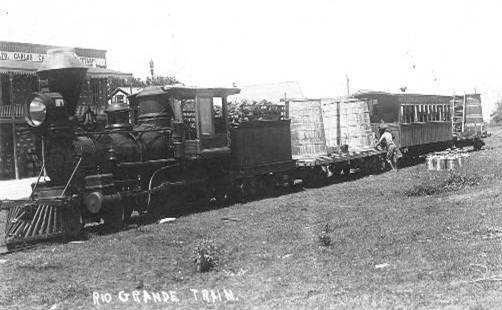
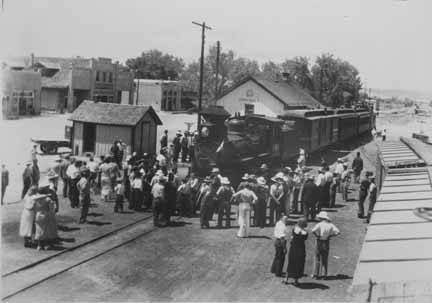
The public archives hold only 3 old photos of Española. The rest are in attics, shoeboxes and the historical society. Help start the collection.
The story
from WikipediaRead it all ↗Española was referred to as La Vega de los Vigiles ('the Vigils' Meadow') before the arrival of the railroad. The source of the current name is disputed: La Española means 'Spanish woman', and folk history attributes the name to railroad construction workers who named the area after a woman who worked in a small restaurant in the area. Alternatively, it may be a variation of Hispaniola (New Spain), or as a shortened form of Plaza Española ('Spanish town'), which likely was to differentiate it from the Tewa pueblos to the north and south.
Tewa people have lived in the area since the 13th century. They built towns in the area, now called Pueblos, five of which still exist: Ohkay Owingeh, Pojoaque, Nambé, Santa Clara and San Ildefonso.
Text from Wikipedia, licensed CC BY-SA 4.0.
Timeline
built from the dates on the items belowStart Española’s collection
The first neighbors to add old photos shape how Española’s history is told.
2 of 10 decades since 1900 have photos 🔁Retake an old viewEspanola 1919, 1919: stand where they stood+15 📦Share a family photoSign in to add one+10Famous people from Española
See all 11 →


Española, decade by decade
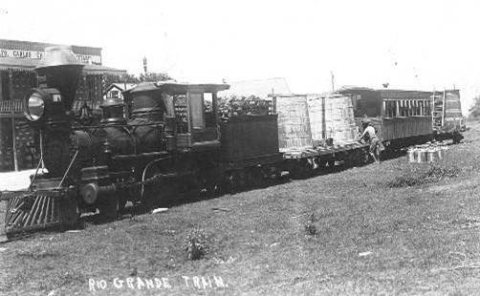
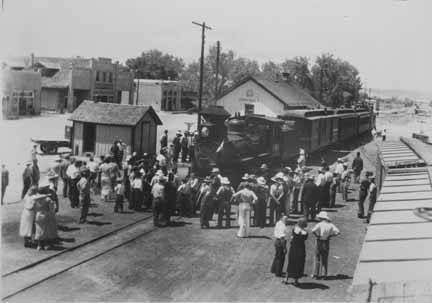
1990s
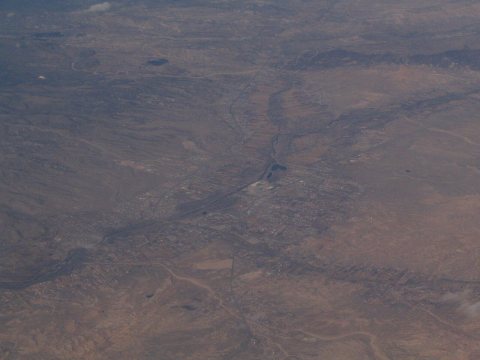
Then & now
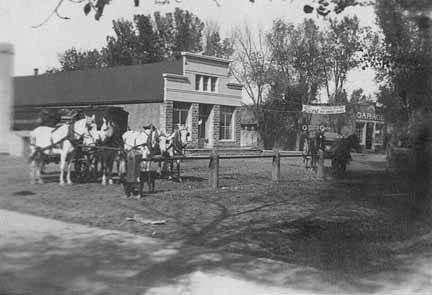
No then-and-now pairs yet. Take a photo from the same spot as Espanola 1919 (1919) and it appears here side by side.
🔁 Retake this view · +15Historic places
National Register · via Wikidata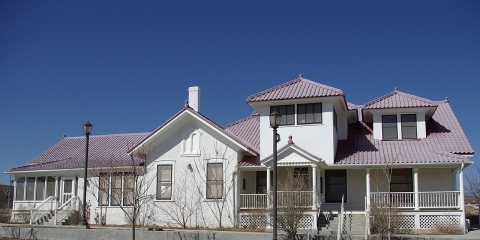
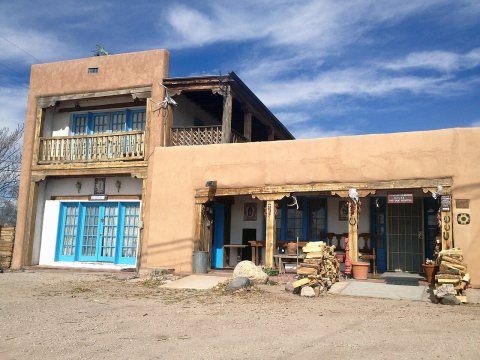
From Wikimedia Commons (4) and the National Register (2). Images are copied here with their credits and licenses, shown on each photo’s page. Refreshed monthly.