The story
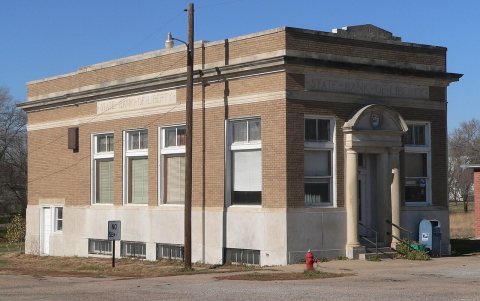
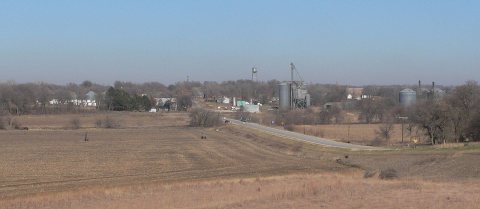
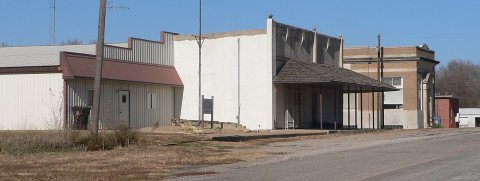
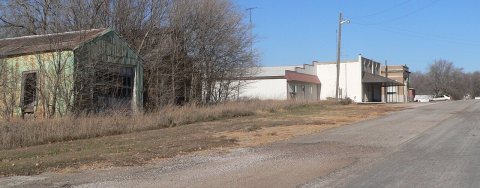
from WikipediaRead it all ↗The area that would eventually become Liberty was being settled by whites as early as 1855. The town itself was founded by early settler David Palmer (1838-1876), who ran a trading post in the area. Palmer drowned in a nearby river and was buried in the Liberty Cemetery. The town also grew from the influx of railroad laborers who built the tracks that went through the village. In its heyday in 1890, Liberty had a population of 469, enough to support three grocery stores, a meat market, a livery, a dry goods store, a hotel, a law office, a hardware store, an undertaker, a lumber yard and barbershops, and its own newspaper, The Liberty Journal. But the money panic of 1893 hit the village particularly hard, and it never recovered from the shock of many farmers selling what they could and leaving town.
Text from Wikipedia, licensed CC BY-SA 4.0.
Start Liberty’s collection
The first neighbors to add old photos shape how Liberty’s history is told.
0 of 10 decades since 1900 have photos 📦Share a family photoSign in to add one+10Liberty, decade by decade
2000
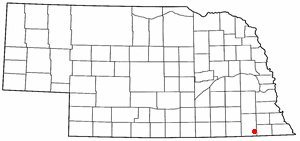
Nothing in Liberty is on the National Register yet
That’s true of most small towns. It doesn’t mean Liberty has no history, only that no one has written up a nomination. The closest listed place is Mission Creek Bridge in Liberty, 5.7 miles away.
Liberty and the nearest listed places


How a place gets listed
Then & now
When neighbors add old photos, retakes from the same spot appear here side by side.
Stories next door
nearby towns’ historyFrom Wikimedia Commons (5). Images are copied here with their credits and licenses, shown on each photo’s page. Refreshed monthly.