The story
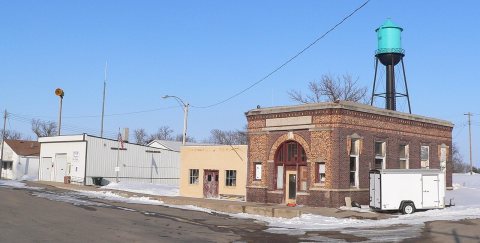
from WikipediaRead it all ↗In 1878, Swedish immigrants mostly from the Essex, IA area, moved this way after the extension of the railroad from Sioux City. Concord was platted in 1883 soon after the Chicago, St. Paul, Minneapolis and Omaha Railway was extended to that point. The real reasoning behind its name is unknown. Old Timers said that it was named by a wife of a railroad worker who thought the area was quiet and peaceful. It may also be named after the Battle of Concord of the American Revolutionary War. The wife of the president of the railroad may have named it after a bridge in Massachusetts. Early immigrants of Concord were predominately of Lutheran Religious backgrounds as the Catholics settled in nearby Dixon. The sale of Alcohol has never been permitted in city limits. Farming was the main source of income for many nearby residents, but the town has boasted a lumber yard, barber shop, grocery store, …
Text from Wikipedia, licensed CC BY-SA 4.0.
Start Concord’s collection
The first neighbors to add old photos shape how Concord’s history is told.
0 of 10 decades since 1900 have photos 📦Share a family photoSign in to add one+10Concord, decade by decade
2000
Nothing in Concord is on the National Register yet
That’s true of most small towns. It doesn’t mean Concord has no history, only that no one has written up a nomination. The closest listed place is Swedish Evangelical Lutheran Salem Church in Wakefield, 10.3 miles away.
Concord and the nearest listed places
How a place gets listed
Then & now
When neighbors add old photos, retakes from the same spot appear here side by side.
From Wikimedia Commons (2). Images are copied here with their credits and licenses, shown on each photo’s page. Refreshed monthly.