

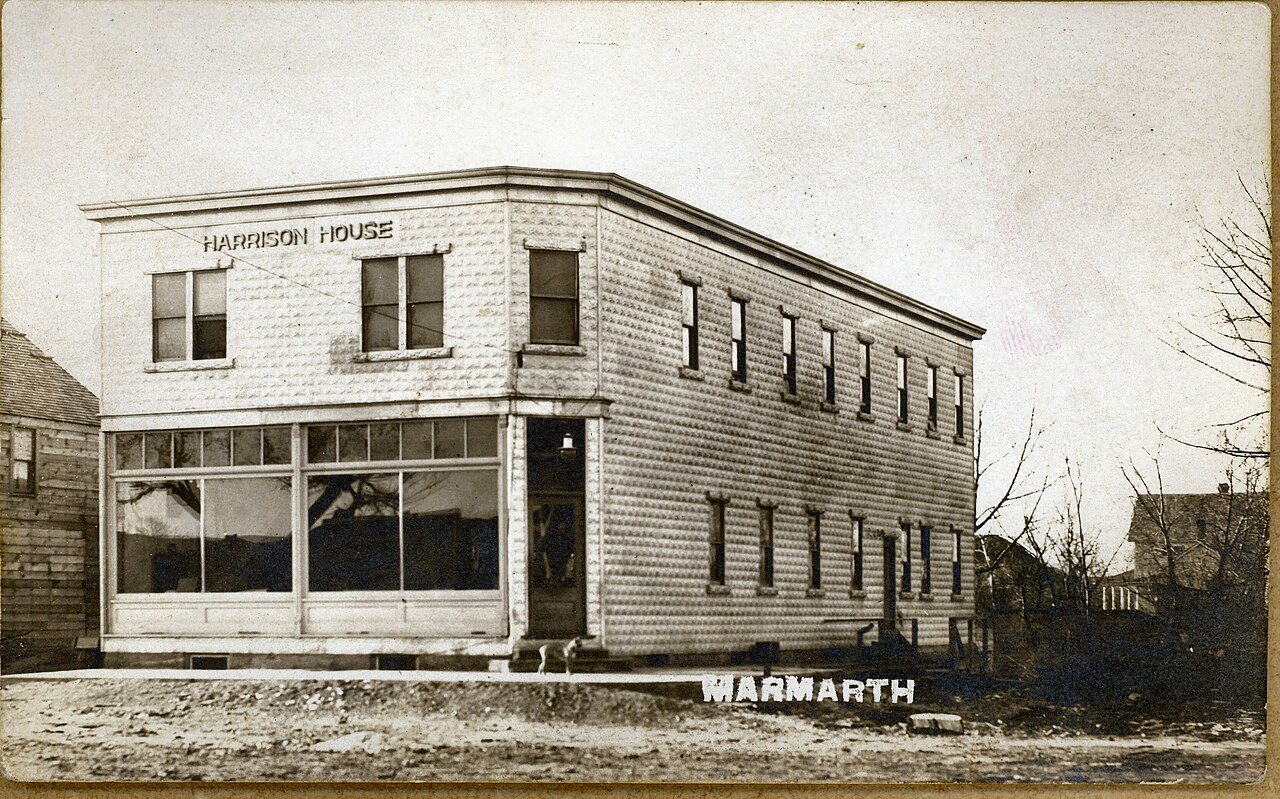
Marmarth’s history is
mostly unwritten
The public archives hold only 3 old photos of Marmarth. The rest are in attics, shoeboxes and the historical society. Help start the collection.
The story
from WikipediaRead it all ↗The area was originally inhabited by the Lakota- and Crow peoples, which may have been part of the 9th–12th centuries BCE Mound Builders civilization.
On September 2, 1864, Captain James L. Fisk of the Union Army was leading 200 gold-seekers in eighty-eight wagons from North Dakota to Montana. By the Deep Creek, approximately twelve miles east of today's Marmarth, the group was attacked by over a hundred Hunkpapa Sioux Indians led by the chief Sitting Bull. Sitting Bull was wounded, but saved by Jumping Bull and White Bull, while six Hunkpapas, ten soldiers, and two civilians were killed in the battle. The Site of Fort Dilts has been listed on the National Register of Historic Places since 1980.
Text from Wikipedia, licensed CC BY-SA 4.0.
Timeline
built from the dates on the items belowStart Marmarth’s collection
The first neighbors to add old photos shape how Marmarth’s history is told.
1 of 10 decades since 1900 have photos 🔁Retake an old viewMarmarth, N.D., 1914, 1914: stand where they stood+15 📦Share a family photoSign in to add one+10Marmarth, decade by decade

1990s

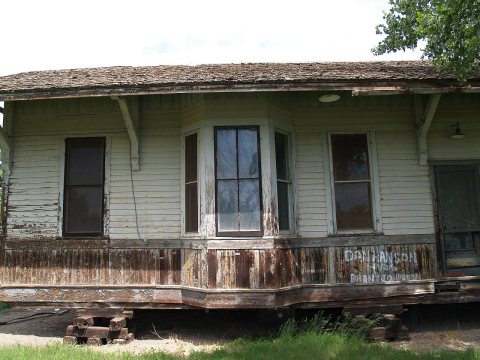
1 historic place in Marmarth
1 place in Marmarth is on the National Register of Historic Places, the country’s official list of buildings and places worth saving.
Where they are
When they were listed
Then & now

No then-and-now pairs yet. Take a photo from the same spot as Marmarth, N.D., 1914 (1914) and it appears here side by side.
🔁 Retake this view · +15Stories next door
nearby towns’ historyFrom Wikimedia Commons (5) and the Library of Congress (1). Images are copied here with their credits and licenses, shown on each photo’s page. Refreshed monthly.