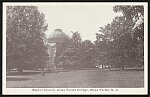
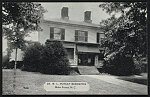
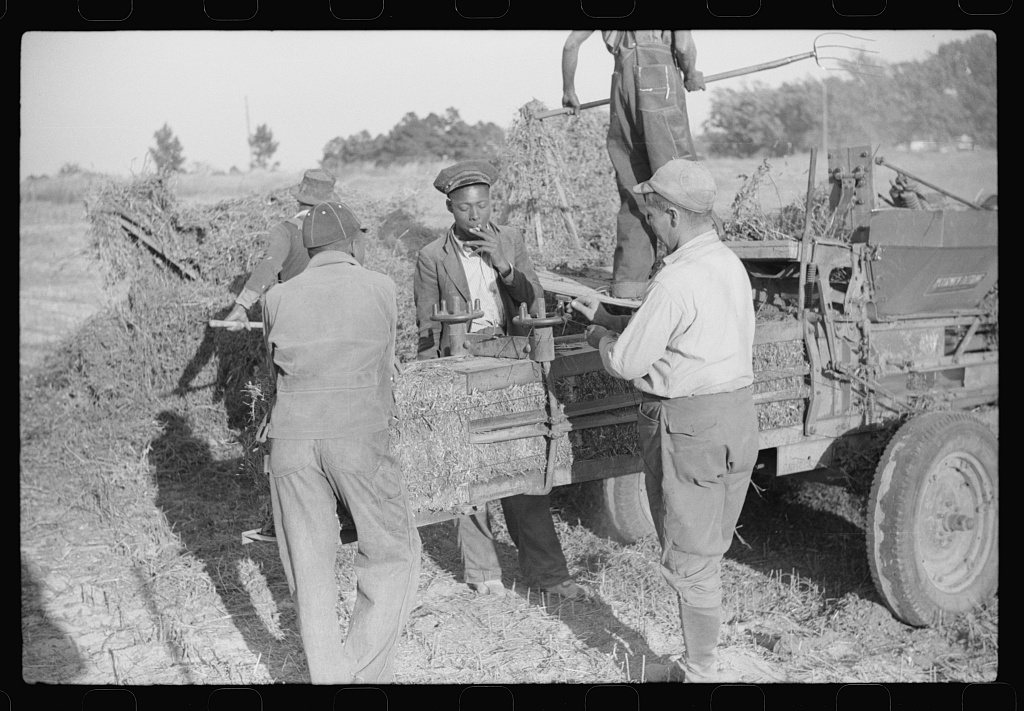
Wake Forest’s history is
mostly unwritten
The public archives hold only 3 old photos of Wake Forest. The rest are in attics, shoeboxes and the historical society. Help start the collection.
The story
from WikipediaRead it all ↗In 1832, Dr. Calvin Jones, originally from Massachusetts, bought 615 acres (2.49 km2) of forested land in Wake County, North Carolina. He built his plantation here. The sparsely populated area became known as the Forest of Wake, or Wake Forest. Jones sold his farm to the North Carolina Baptist Convention for $2,000, who opened the Wake Forest Manual Labor Institute, later Wake Forest College, on the site. The Raleigh & Gaston Railroad, completed in 1840, established a depot in nearby Forestville that stimulated the school and surrounding village. College leaders convinced the railroad to move the depot even closer to the college in 1874, leading to more economic development. This community was incorporated as the "Town of Wake Forest College" in 1880. In 1909, the word "College" was removed from the name of the town. The college moved to the much larger city of Winston-Salem in 1956. So…
Text from Wikipedia, licensed CC BY-SA 4.0.
Timeline
built from the dates on the items belowStart Wake Forest’s collection
The first neighbors to add old photos shape how Wake Forest’s history is told.
2 of 10 decades since 1900 have photos 🔁Retake an old viewBaptist Church, 1913: stand where they stood+15 📦Share a family photoSign in to add one+10Famous people from Wake Forest
See all 14 →

Wake Forest, decade by decade
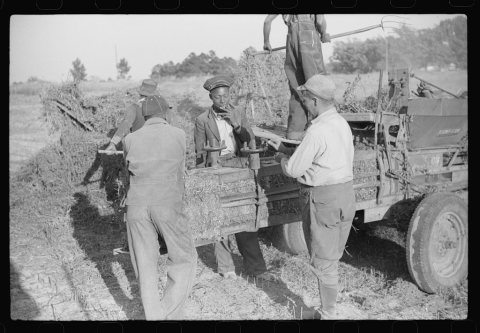
1990s
Then & now
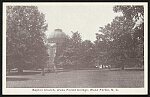
No then-and-now pairs yet. Take a photo from the same spot as Baptist Church (1913) and it appears here side by side.
🔁 Retake this view · +15Historic places
National Register · via Wikidata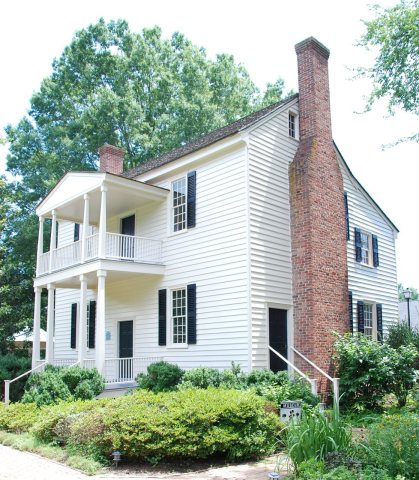
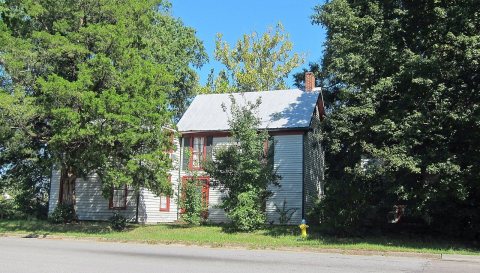
From the Library of Congress (3) and the National Register (2). Images are copied here with their credits and licenses, shown on each photo’s page. Refreshed monthly.