Towns with the most-used public libraries in Minnesota
Ranked by library visits per resident in a year, at the public library that serves the town. 18 towns with 2,500+ residents.
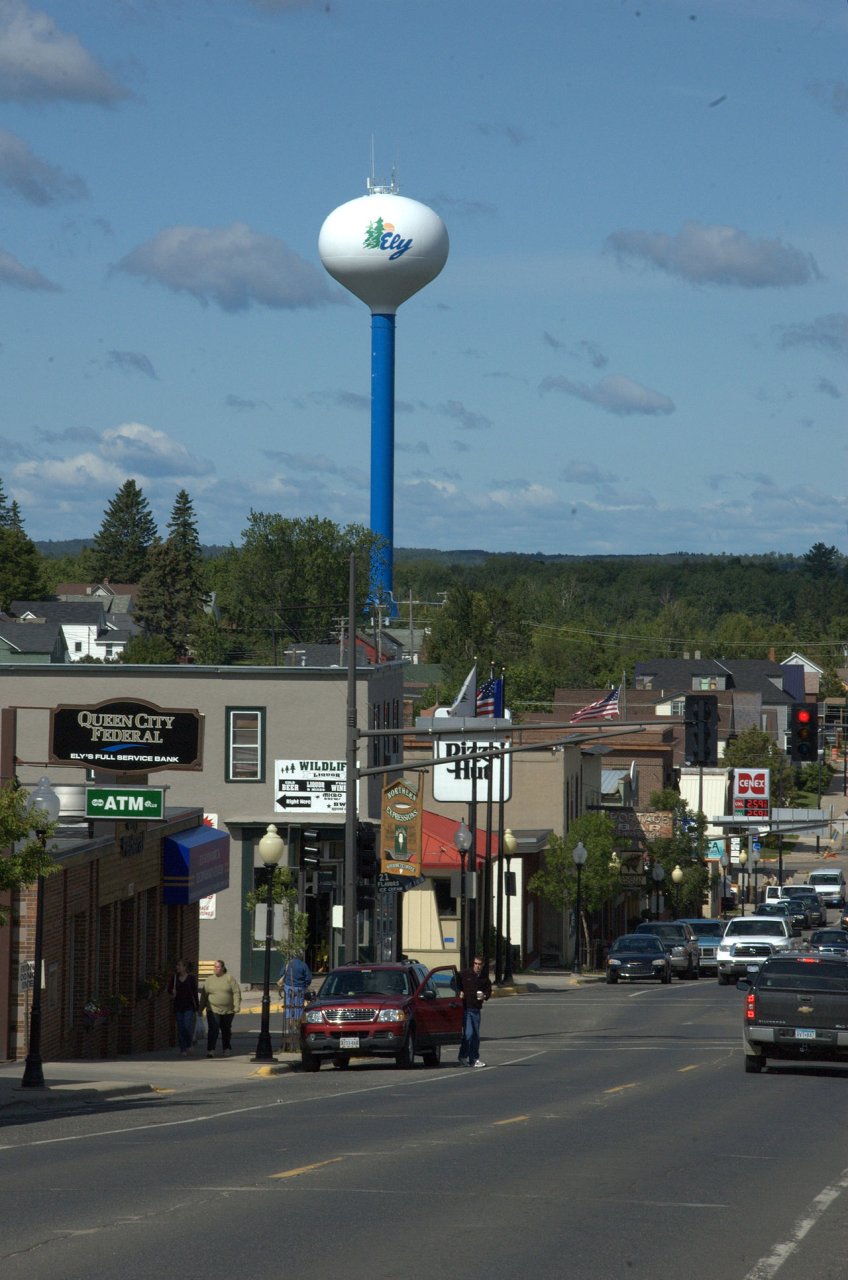 1
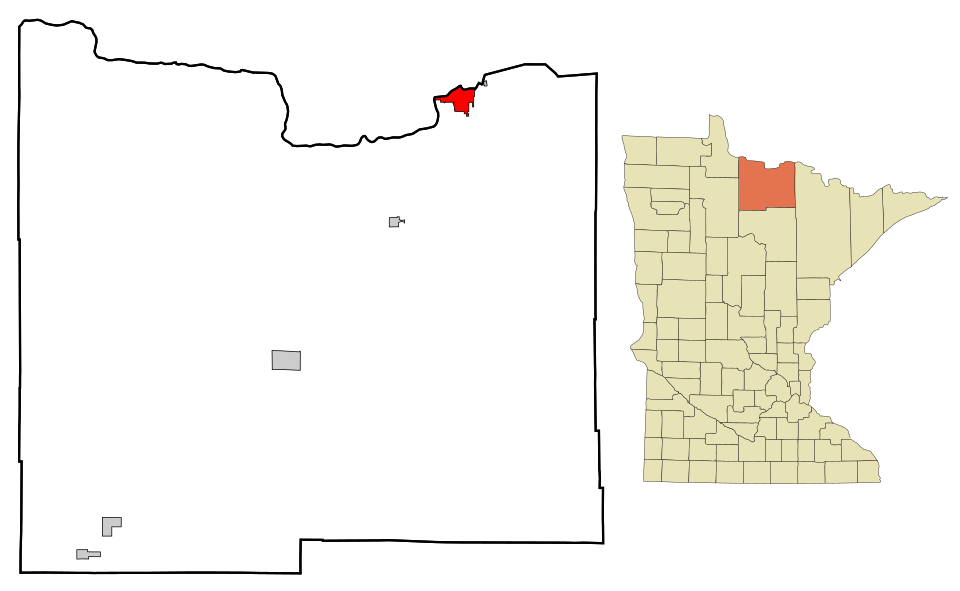
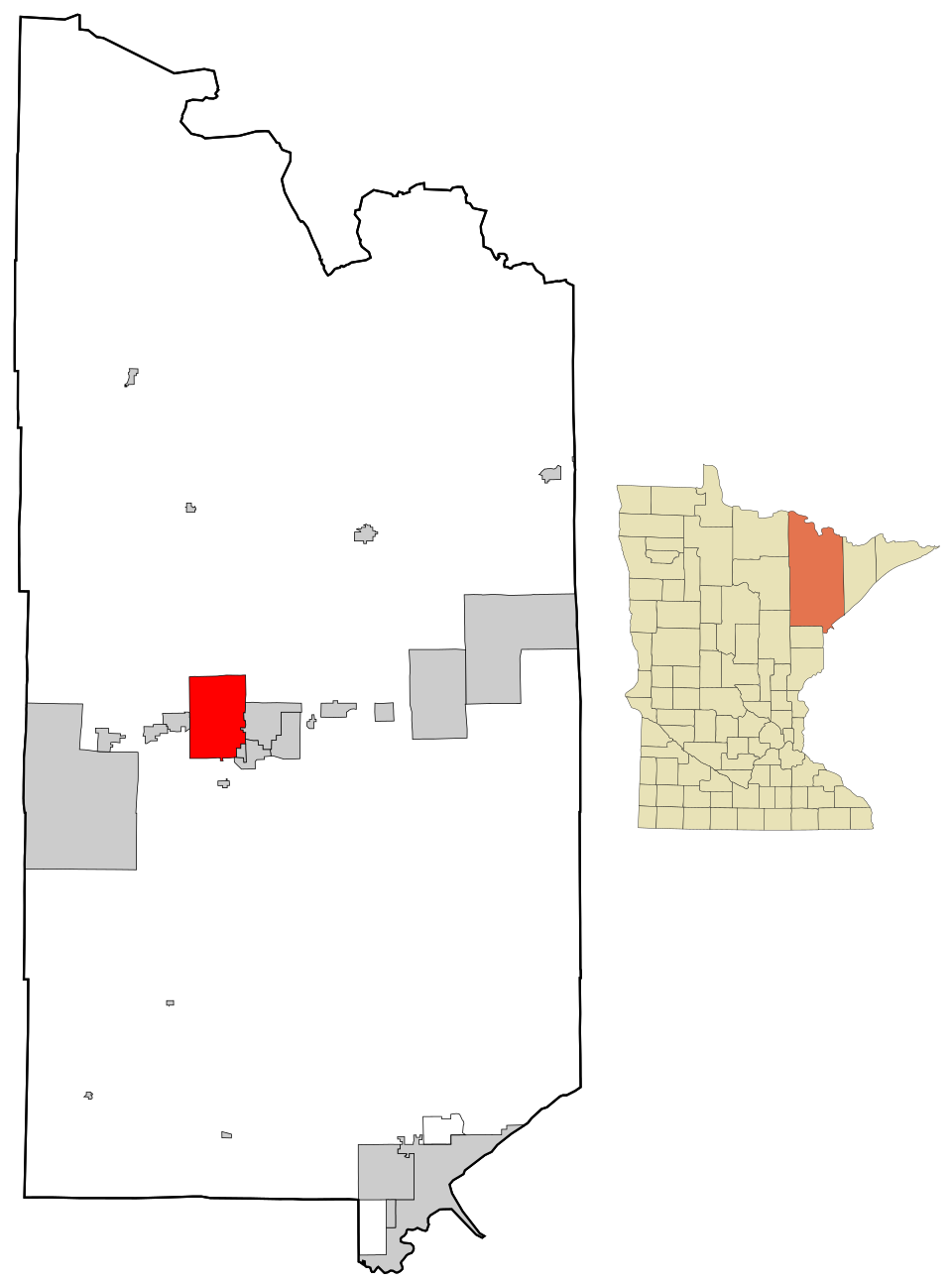
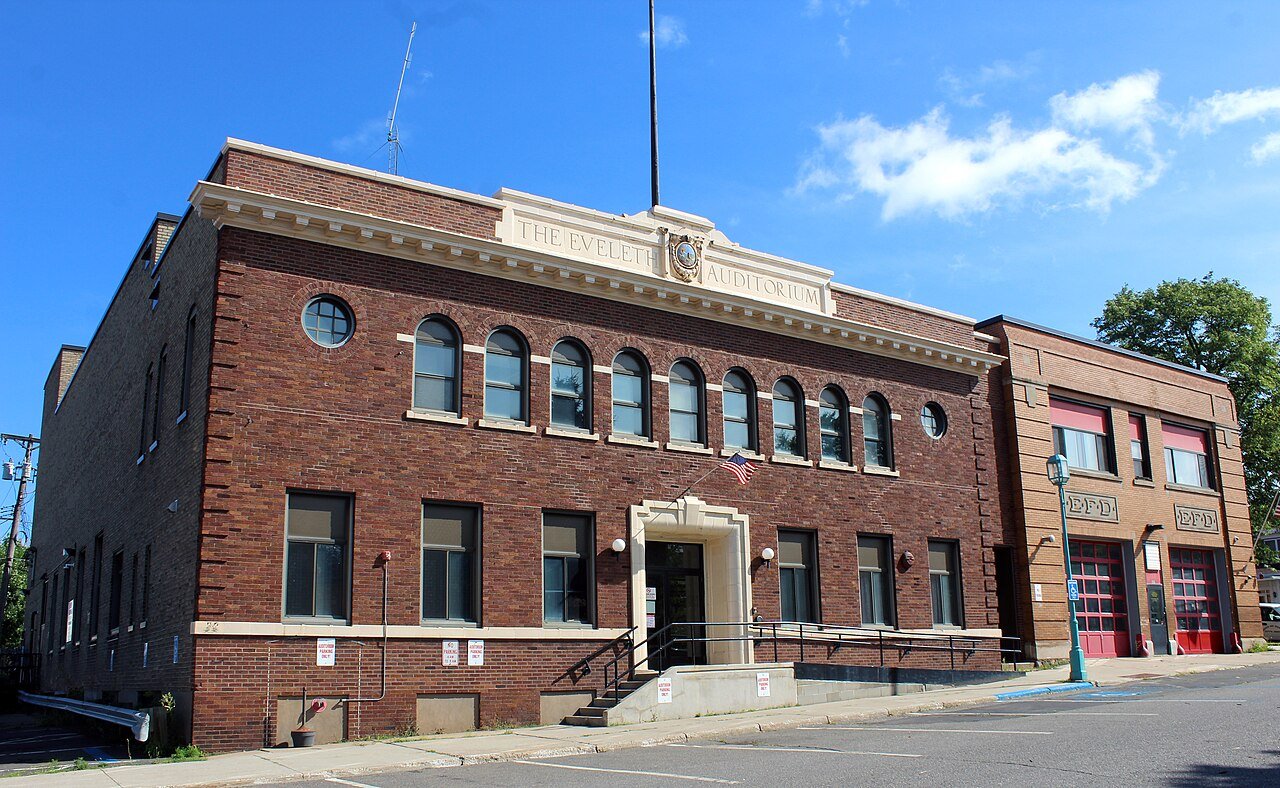
Ely
12.7 per resident
Ely Public Library
1
Ely
12.7 per resident
Ely Public Library
 2
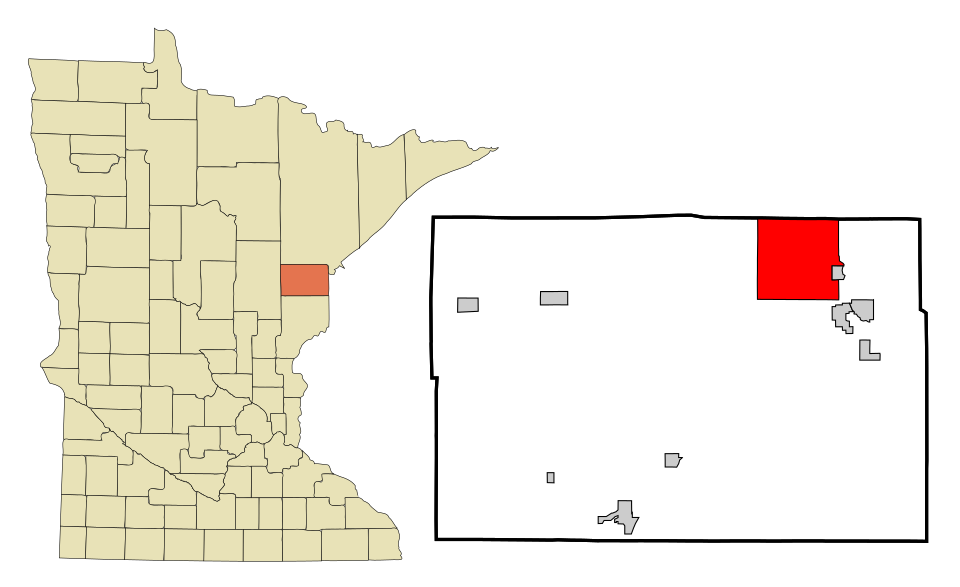
Two Harbors
8.9 per resident
Two Harbors Public Library
2
Two Harbors
8.9 per resident
Two Harbors Public Library
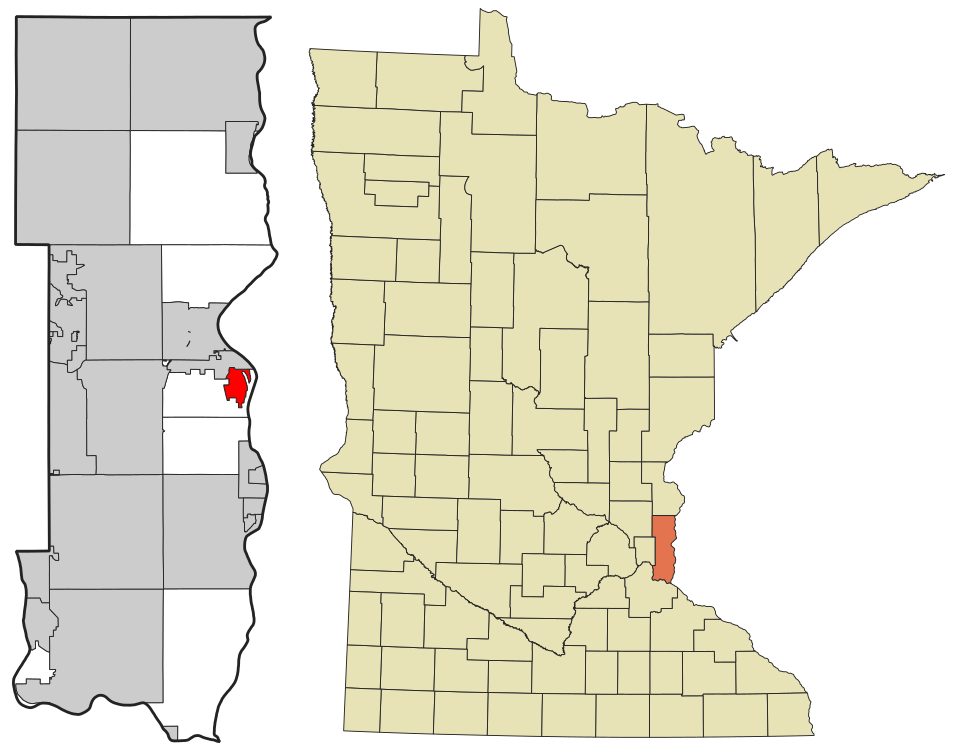 3
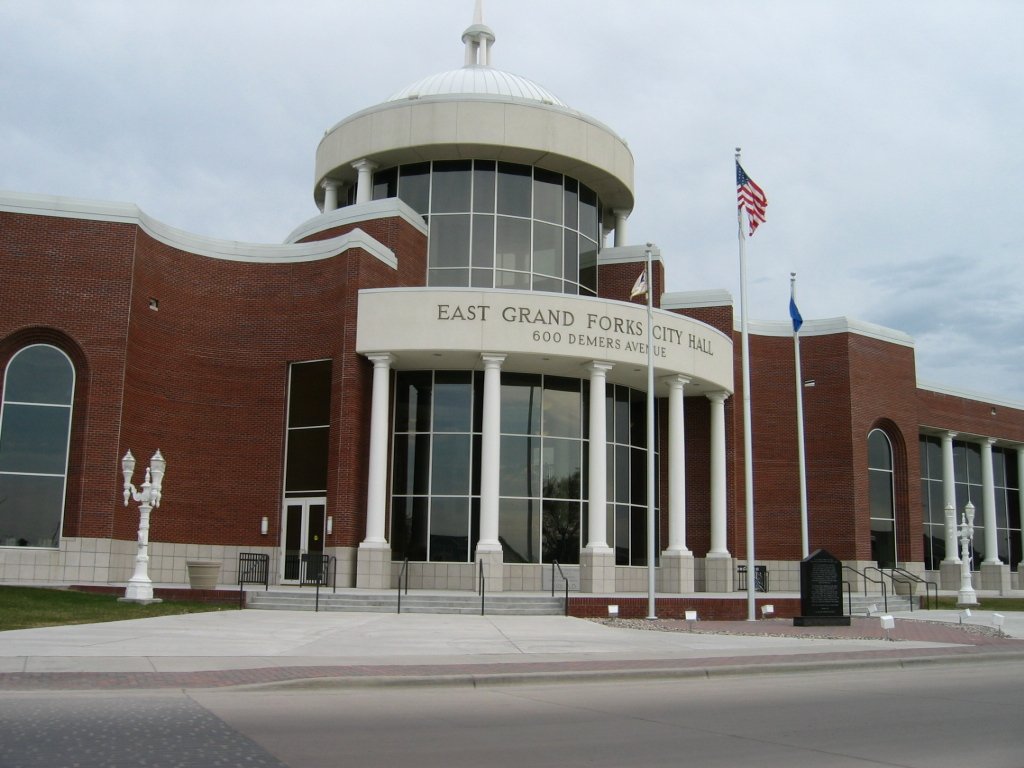
Bayport
8.8 per resident
Bayport Public Library
3
Bayport
8.8 per resident
Bayport Public Library



How this ranking works
We rank every town by library visits per resident in a year, at the public library that serves the town. The highest figure ranks #1. Each library reports its own yearly numbers to the Institute of Museum and Library Services (fiscal year 2024), and each town’s Library page shows how it compares with libraries of a similar size nationwide.
A town is ranked only when its library system serves that town alone, and the library’s own count of the people it serves is within 20% of the town’s population. Towns served by a county or regional system, or sharing a library with a neighbor, can’t be credited with the numbers, so they aren’t ranked. Libraries that didn’t respond to the survey aren’t ranked either. Vacation towns can rank high because summer residents and visitors use the library too.
Only towns with at least 2,500 residents are ranked; Census estimates for smaller places are too uncertain. Population and income: U.S. Census Bureau American Community Survey 5-year estimates. Libraries: IMLS Public Libraries Survey. Town photos: Wikimedia Commons, credited on each town’s page.