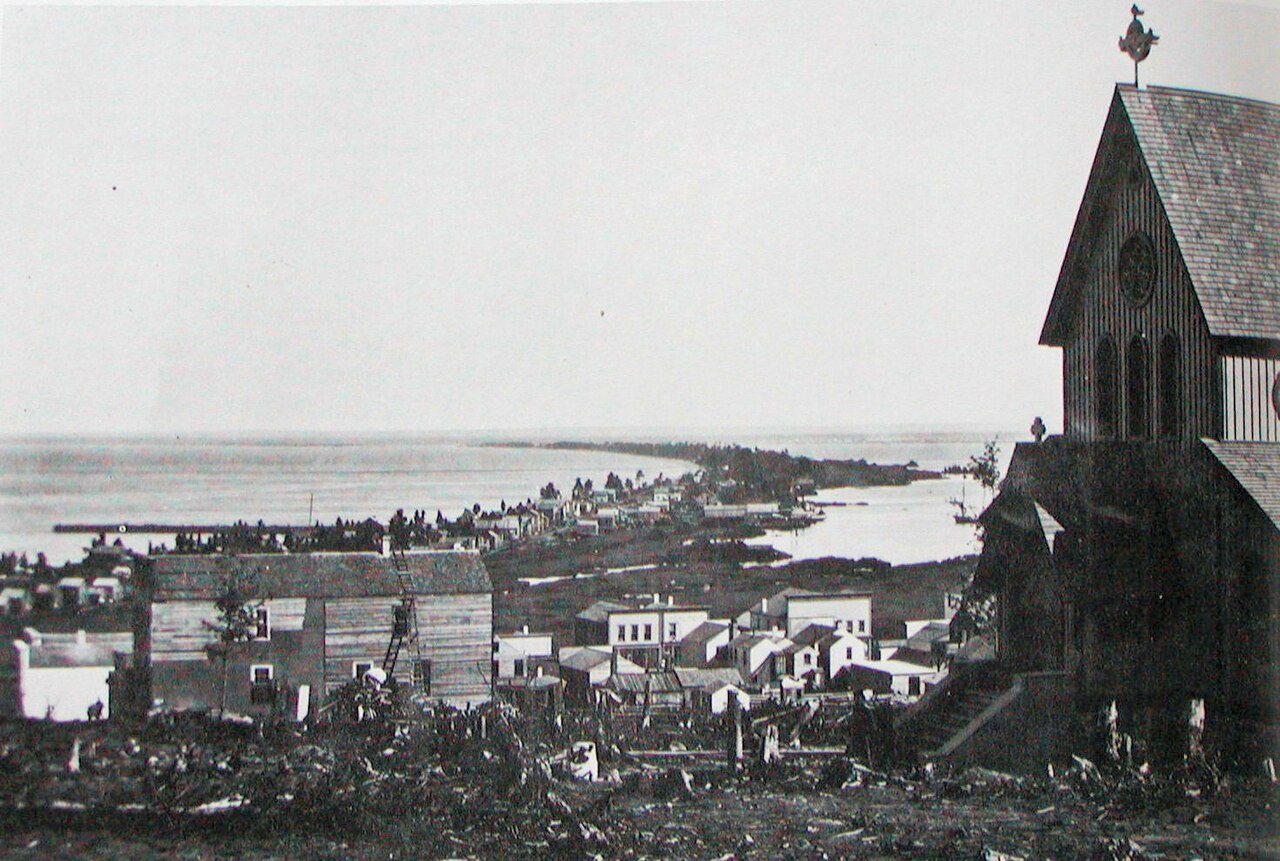
A history of Duluth,
since 1679
Postcards, papers and photographs of Duluth from public archives, woven together by decade. Neighbors fill in the gaps.
The story
from WikipediaRead it all ↗For both the Ojibwe and the Dakota, interaction with Europeans during the contact period revolved around the fur trade and related activities.
According to Ojibwe oral history, Spirit Island, near the Spirit Valley neighborhood, was the "Sixth Stopping Place" where the northern and southern branches of the Ojibwe Nation came together and proceeded to their "Seventh Stopping Place" near the present city of La Pointe, Wisconsin. The "Stopping Places" were places the Native Americans occupied during their westward migration because of their war with the Iroquois and as Europeans overran their territory.
Text from Wikipedia, licensed CC BY-SA 4.0.
Timeline
built from the dates on the items belowFinish Duluth’s story
Most archives stop around 1920. The photos from after that are in family albums, not libraries.
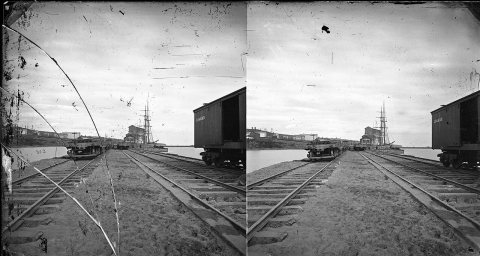
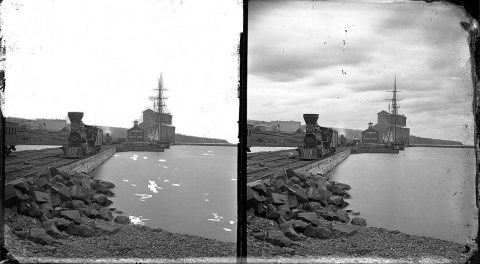
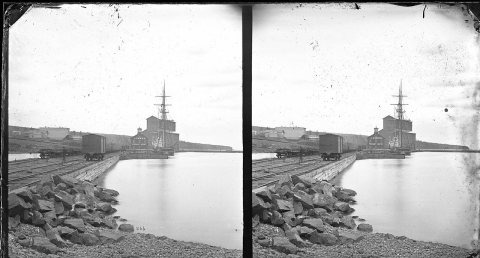
0 of 10 decades since 1900 have photos 🔁Retake an old viewA business view, (or card), of Du…, 1870: stand where they stood+15 📦Share a family photoSign in to add one+10Duluth, decade by decade
1990s
Then & now
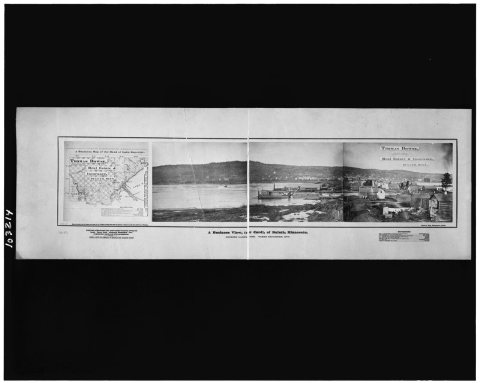
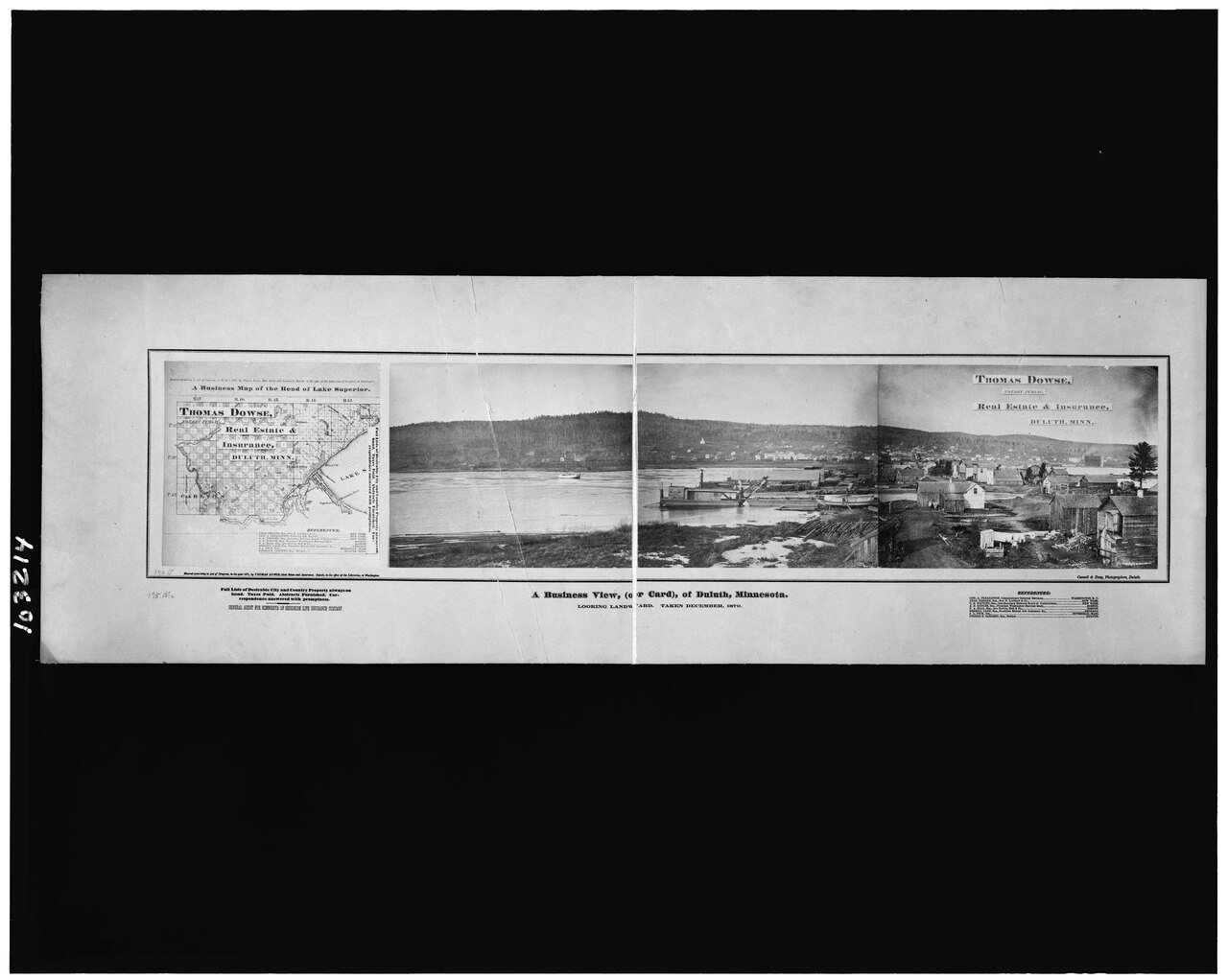
No then-and-now pairs yet. Take a photo from the same spot as A business view, (or card), of Duluth, Minnesota; looking landward; taken December, 1870 (1870) and it appears here side by side.
🔁 Retake this view · +15Stories next door
nearby towns’ historyFrom Wikimedia Commons (6). Images are copied here with their credits and licenses, shown on each photo’s page. Refreshed monthly.