The story
from WikipediaRead it all ↗By 1880 railroads were arriving and an industrial lumber boom began in Louisiana. Around 22 million acres were in virgin pine which was 85% of the state's land area. There were also large virgin Cyprus stands but these were mainly in swamp or coastal marsh lands. McNary began, as with many towns created along the railroads in Louisiana, as a lumber town. William M. Cady of Cady Lumber Company, along with Alfred Smith and James McNary, established a lumber mill in McNary. A town of around 3000 sprang up with all the amenities of larger towns including a theater, hospital, and swimming pool. During the first part of the 1920s mills starting cutting out. By 1923 the McNary reserves were depleted but what followed next was not atypical of most mills. The Cady Lumber Company purchased the Apache Lumber Company, Ponderosa Pine leases, the Apache Railway, and the sawmill in Cooley, Arizona, th…
Text from Wikipedia, licensed CC BY-SA 4.0.
Start McNary’s collection
The first neighbors to add old photos shape how McNary’s history is told.
0 of 10 decades since 1900 have photos 📦Share a family photoSign in to add one+10McNary, decade by decade
2000
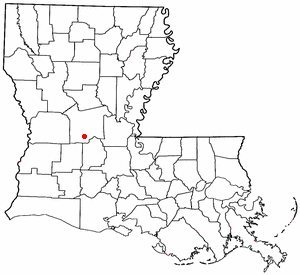
Nothing in McNary is on the National Register yet
That’s true of most small towns. It doesn’t mean McNary has no history, only that no one has written up a nomination. The closest listed place is Crowell Sawmill Historic District in McNary, 1.7 miles away.
McNary and the nearest listed places
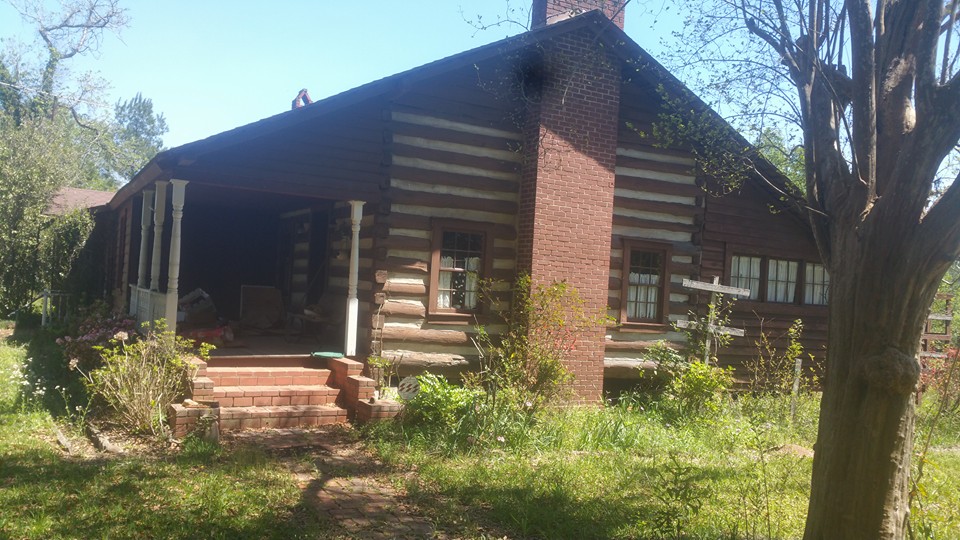

How a place gets listed
Then & now
When neighbors add old photos, retakes from the same spot appear here side by side.
Stories next door
nearby towns’ historyFrom Wikimedia Commons (1). Images are copied here with their credits and licenses, shown on each photo’s page. Refreshed monthly.