Upland’s history is
mostly unwritten
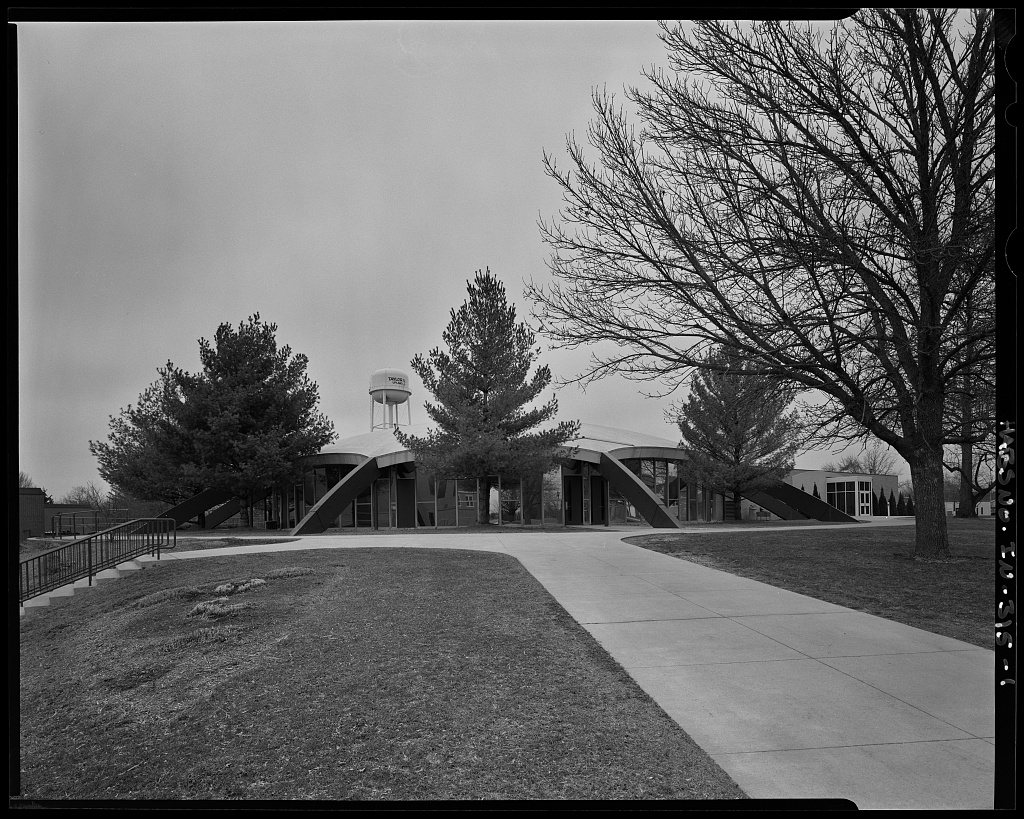
The public archives hold only 2 old photos of Upland. The rest are in attics, shoeboxes and the historical society. Help start the collection.
The story
from WikipediaRead it all ↗Most of the land that is now part of Upland was purchased by John Oswalt in the 1830s. He was a speculator, and believed that a canal connecting Indianapolis and Fort Wayne might pass through the area. The town was formed in the late 1860s by Jacob Bugher, who planned for it to be a depot point on the Indiana Central Railroad. The town's name comes from the fact it was believed to be the highest point on the rail line between Columbus and Chicago. By 1880, the town had a population of around 150 and included a school, two churches, several stores, a blacksmith shop, and a sawmill.
Text from Wikipedia, licensed CC BY-SA 4.0.
Start Upland’s collection
The first neighbors to add old photos shape how Upland’s history is told.
0 of 10 decades since 1900 have photos 🗓️Date a photo2 archive items have no date+2 🔁Retake an old viewTaylor University Student Union, …: stand where they stood+15 📦Share a family photoSign in to add one+10Famous people from Upland
See all 2 →Upland, decade by decade
2000
unknown2 items
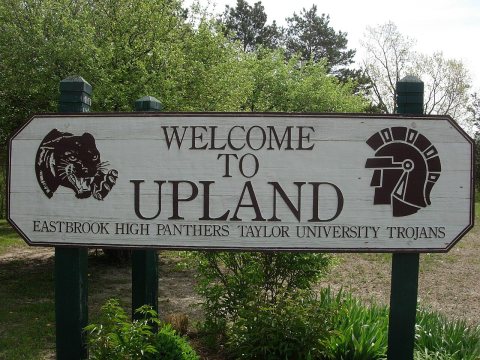
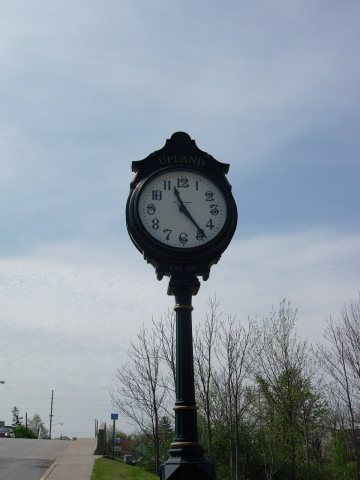
Nothing in Upland is on the National Register yet
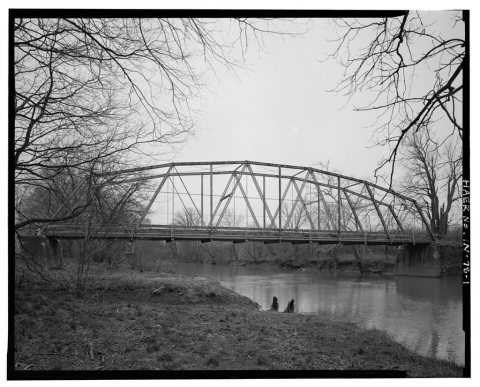
That’s true of most small towns. It doesn’t mean Upland has no history, only that no one has written up a nomination. The closest listed place is Israel Jenkins House in Monroe, 2.7 miles away.
Upland and the nearest listed places
How a place gets listed
Then & now
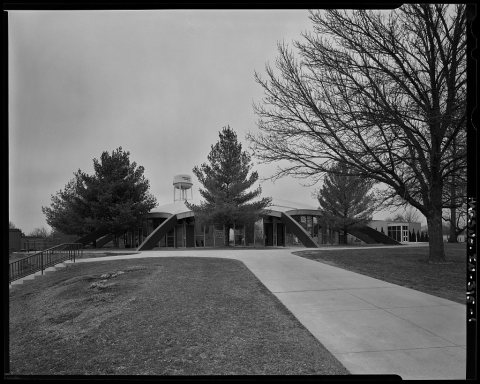
No then-and-now pairs yet. Take a photo from the same spot as Taylor University Student Union, Taylor University and it appears here side by side.
🔁 Retake this view · +15Stories next door
nearby towns’ historyFrom Wikimedia Commons (4) and the Library of Congress (2). Images are copied here with their credits and licenses, shown on each photo’s page. Refreshed monthly.