Fort Wayne’s history is
mostly unwritten
The public archives hold only 4 old photos of Fort Wayne. The rest are in attics, shoeboxes and the historical society. Help start the collection.
The story
from WikipediaRead it all ↗This area here on the river confluence was occupied by successive cultures of indigenous peoples for as long as 10,000 years. The Miami tribe would eventually establish its settlement of Kekionga at this confluence of the Maumee, St. Joseph, and St. Marys rivers in the late stages of the Beaver Wars in the 1690s. It was the capital of the Miami nation and related Algonquian tribes.
Text from Wikipedia, licensed CC BY-SA 4.0.
Timeline
built from the dates on the items belowStart Fort Wayne’s collection
The first neighbors to add old photos shape how Fort Wayne’s history is told.
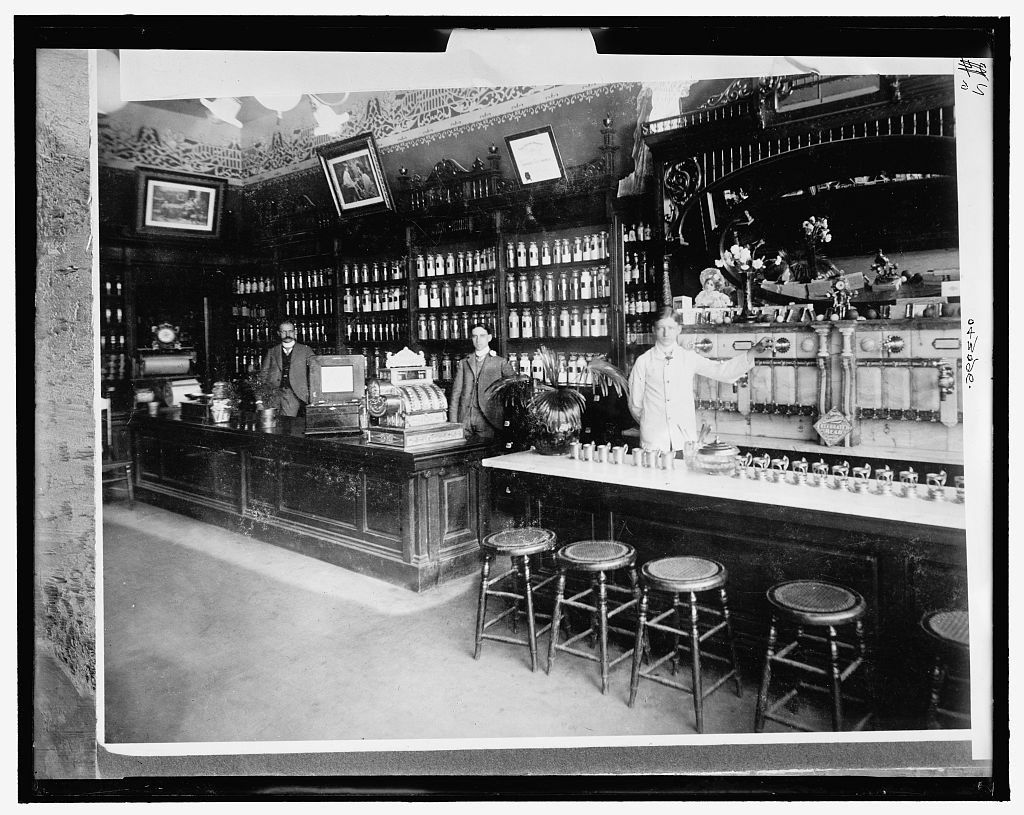
1 of 10 decades since 1900 have photos 🔁Retake an old viewS.C. Cocke drugs, 1895: stand where they stood+15 📦Share a family photoSign in to add one+10Famous people from Fort Wayne
See all 45 →


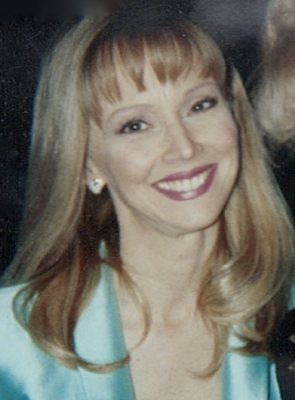
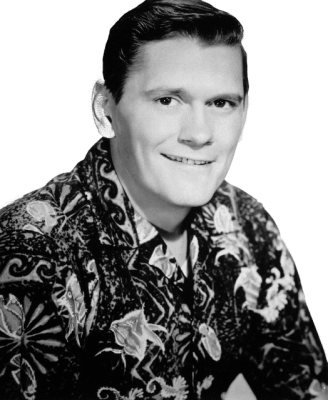
Fort Wayne, decade by decade
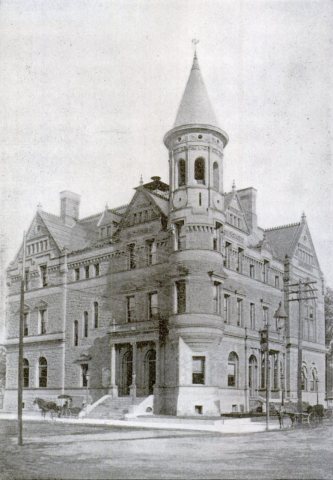
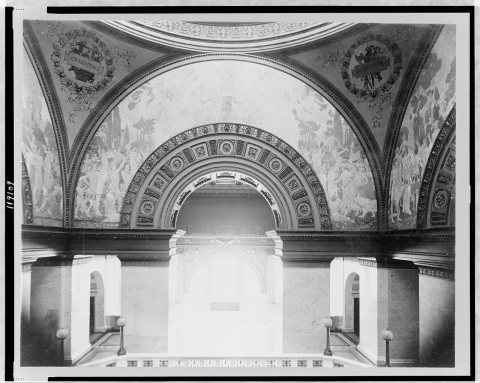
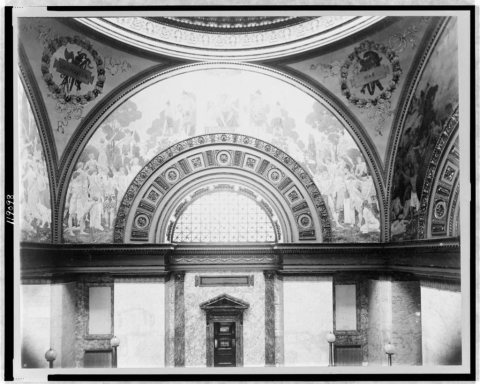
1990s
70 historic places in Fort Wayne
Fort Wayne has 70 listings on the National Register, and they protect 7,469 historic buildings, because Southwood Park Historic District alone counts 1,889. 2 are National Historic Landmarks, the highest tier, which fewer than 3% of listings reach.
Where they are
Architectural styles
When they were listed
 LandmarkListed 1976Allen County Courthouse
 LandmarkListed 1997Chief Jean-Baptiste de Richardville House
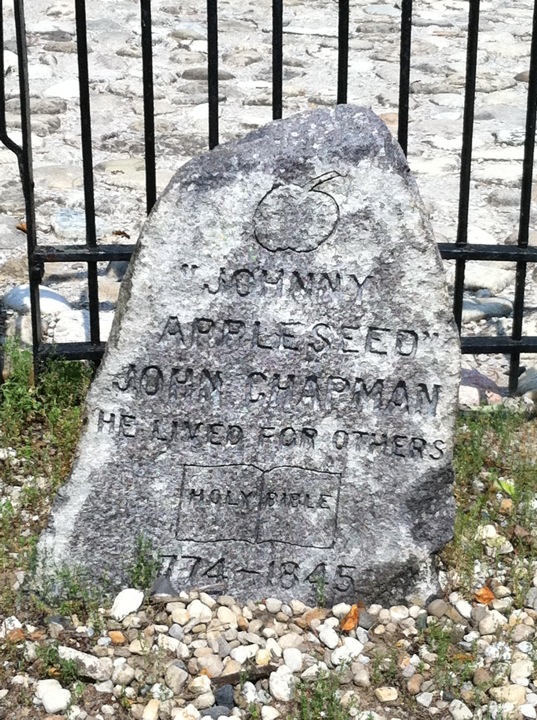 Listed 1973Johnny Appleseed Memorial Park
 Listed 1973Fort Wayne City Hall
 Listed 1975Embassy Theater and Indiana Hotel
 Listed 1976William S. Edsall House
 Listed 1978Lindenwood Cemetery
 Listed 1978Trinity Episcopal Church
 Listed 1979Engine House No. 3
 Listed 1979Christian G. Strunz House
 Listed 1980John Claus Peters House
 Listed 1980Cathedral of the Immaculate Conception
 Listed 1980Hugh McCulloch House
 Listed 1980Robert M. Feustel House
 Listed 1981Thomas W. Swinney House
 Listed 1982Saint Paul's Evangelical Lutheran Church
 Listed 1982John H. Bass Mansion
 Listed 1982Journal-Gazette Building
 Listed 1983Fairfield Manor
 Listed 1983Harry A. Keplinger House
 Listed 1984West End Historic District
 Listed 1988Blackstone Building
 Listed 1988Fort Wayne Printing Company Building
 Listed 1988Kresge-Groth Building
 Listed 1988Louis Mohr Block
 Listed 1988Schmitz Block
 Listed 1988Wells Street Bridge
 Listed 1990Randall Building
 Listed 1991Masonic Temple
 Listed 1991Williams-Woodland Park Historic District
 Listed 1991St. Peter's Square
 Listed 1992South Wayne Historic District
 Listed 1993Landing, The, Historic District
 Listed 1994St. Vincent Villa Historic District
 Listed 1997Brown, John, Stone Warehouse
 Listed 1998Pennslyvania Railroad Station
 Listed 2000Oakdale Historic District
 Listed 2001McColloch-Weatherhogg Double House
 Listed 2003Smith Field
 Listed 2004Alexander Taylor Rankin House
 Listed 2006US Post Office and Courthouse
 Listed 2006Illsley Place-West Rudisill Historic District
 Listed 2007Forest Park Boulevard Historic District
 Listed 2009Indian Village Historic District
 Listed 2009Southwood Park Historic District
 Listed 2010Fort Wayne Park and Boulevard System Historic District
 Listed 2011Brookview-Irvington Park Historic District
 Listed 2013Lafayette Place Historic District
 Listed 2013Ninde-Mead-Farnsworth House
 Listed 2013John H. and Mary Abercrombie House
 Listed 2013Wildwood Park Historic District
 Listed 2013Foster Park Neighborhood Historic District
 Listed 2014North Anthony Boulevard Historic District
 Listed 2015William C. and Clara Hagerman House
 Listed 2017Lakeside Historic District
 Listed 2019Kensington Boulevard Historic DistrictListed 2021Driving Park-Seven States Historic DistrictListed 2021Coca-Cola Bottling PlantListed 2021Harrison Hill Historic DistrictListed 2021Beechwood Historic DistrictListed 2022Calvary United Brethren-Turner Chapel AME ChurchListed 2022Becker HouseListed 2023General Electric Fort Wayne Electric Works Historic DistrictListed 2024Shawnee Place Historic DistrictListed 2024Fort Wayne Performing Arts TheatreListed 2025Kirkwood Park Historic DistrictListed 2025Saint Joseph's Nurses HomeListed 2025Pennsylvania Produce Terminal Historic District - Fort WayneListed 2026Irishtown Commercial Historic DistrictListed 2026Maple Place Historic District
Then & now
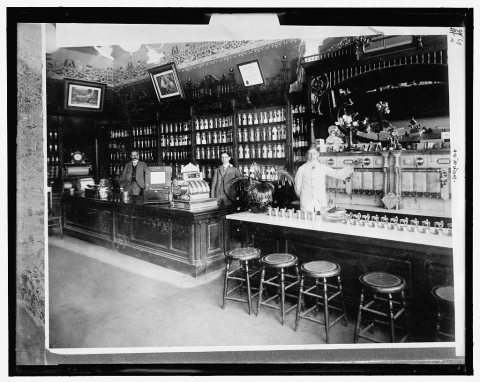
No then-and-now pairs yet. Take a photo from the same spot as S.C. Cocke drugs (1895) and it appears here side by side.
🔁 Retake this view · +15Stories next door
nearby towns’ historyFrom Wikimedia Commons (2), the Library of Congress (2) and the National Register (2). Images are copied here with their credits and licenses, shown on each photo’s page. Refreshed monthly.