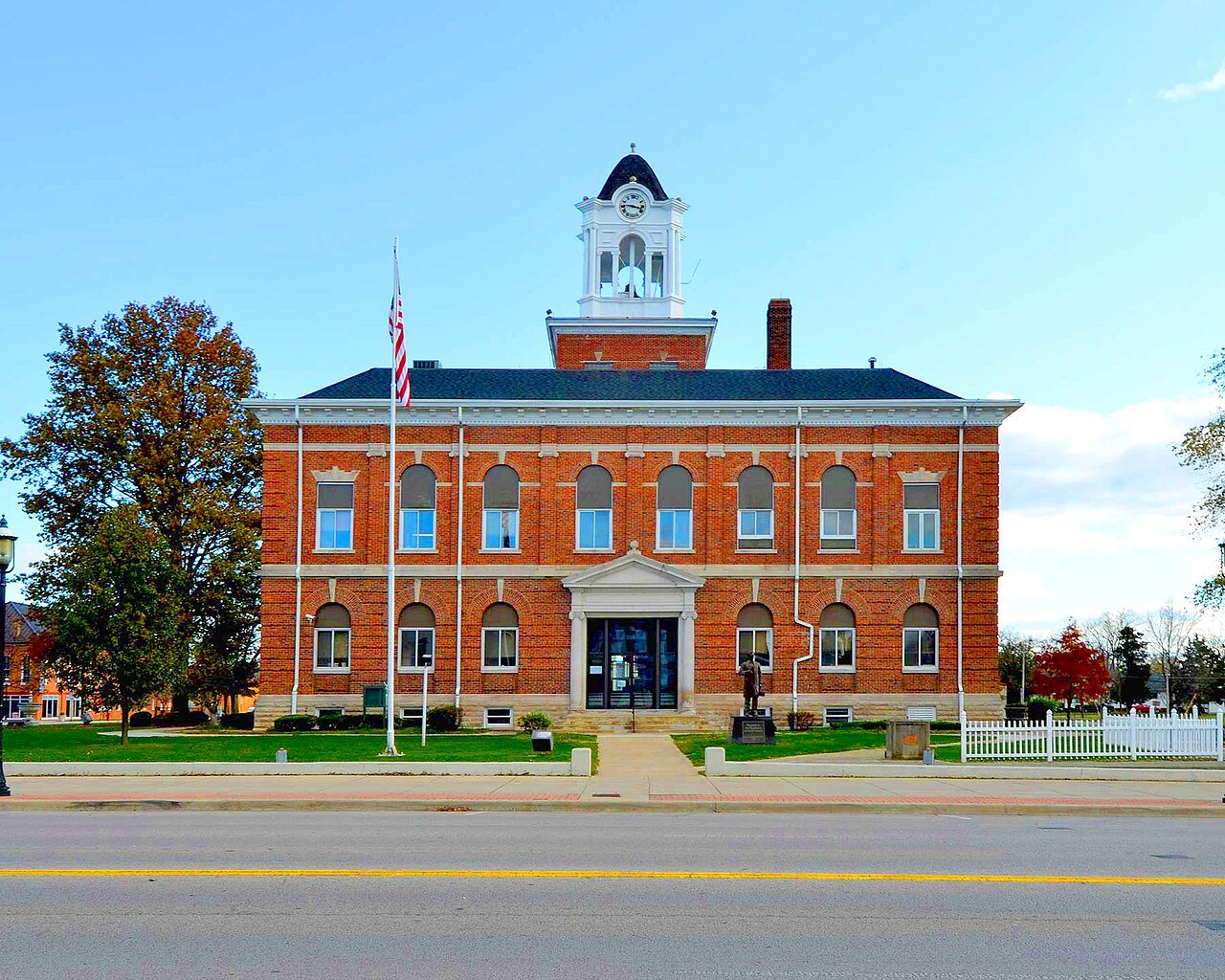
How Marshall is run
Marshall spent $406,000 in the year to March 31, 2022, about $93 per resident. (A Census Bureau estimate.)
What stands out about how Marshall is run
Read from the town’s budget, meetings and records. The page puts what stands out first.
The typical homeowner pays $2,237 a year
Every local property tax on the home: town, schools and county. About 1.83% of the home’s value, vs 2.01% across Illinois.
Typical yearly bill next door and statewide
The Housing page’s calculator splits a monthly payment into loan, tax and insurance at Marshall’s rate.
Can I afford it? →The median bill homeowners report to the Census survey (bills of $10,000+ are reported as “$10,000+”). The effective rate is that bill ÷ the median home value: a rough guide, not the official tax rate.
Marshall Community Unit School District 2C
Marshall’s K–12 school district, shared with Darwin, Douglas, Marshall, Wabash, Anderson and more. It’s its own government, with a budget separate from the town’s.
Of the $13,637 per pupil, $8,165 goes to the classroom (teachers, aides, supplies); the rest to buses, buildings, counselors and administration. Building projects and debt payments aren’t in the per-pupil figure.
Illinois districts overall: 52% local, 38% state, 10% federal.
School year 2023–24. Census Bureau school finance survey.
Who’s in charge in Marshall
Local officials aren’t in the public records we use for Marshall yet. Neighbors can add them.
About $93 per resident a year, or $0.25 a day
The biggest line: roads & transportation, at 39% of spending.
Thank you for being a neighbor
Marshall didn’t report all of its 2022 figures to the Census Bureau, so most of these numbers are the Bureau’s estimates.
One full-time town employee for every 2,179 residents
On the payroll in March 2022 (a Census Bureau estimate).
By department full-time, plus part-time
Pay is March payroll times twelve, so it’s approximate. Part-timers count half in the bar lengths.
How Marshall’s budget compares
Marshall ranks 2nd lowest of 6 for spending per resident. Towns that run their own schools spend more. Tap a town to see its Town Hall.
The town government’s own spending in its newest year (often a Census Bureau estimate). — = no figures.
From town hall to Washington
Every level of government that speaks for Marshall.
- 1Your townTown governmentLocal officials aren’t on record yet.
- 2Illinois HouseState representatives
- 3Illinois SenateState senator
- 4GovernorStatewide
- 5U.S. HouseYour representative in Congress
- 6U.S. SenateBoth represent all of Illinois
Democrat · Republican · other or independent. Tap a name for their official page.
Reach Marshall’s government
Numbers and hours come from neighbors and the town’s own site (the Handbook). A new one goes live once two neighbors confirm it.
Questions about how Marshall is run?
Neighbors who’ve been to the meetings can help.
Your answer becomes a post in Town Square.
Budget and staff: U.S. Census Bureau, Census of Governments and Annual Survey of State and Local Government Finances and the Annual Survey of Public Employment & Payroll (for Marshall, mostly the Bureau’s estimates). School district: Census school finance survey. Property tax: Census American Community Survey, 5-year estimates. Representatives: Open States, the Census and congress-legislators.