The story
from WikipediaRead it all ↗Brussels was first settled in 1822, when John Mettz came to the area; later in the same year, Joshua Twitchell established the community's first business, a blacksmith shop. In 1843, Brussels' population grew significantly due to an influx of German immigrants. German immigration continued through the 1860s, and Irish immigrants also began settling in Brussels in the 1850s. The Wittmond Trading Post, one of the first brick stores in the region, opened in Brussels in 1847, marking the beginning of the village's commercial development. St. Mary's Church formed in 1848 to serve the community's Catholic residents; its current church building was constructed in 1863. In the early 1860s, St. Matthew's Church formed for Brussels' German Lutheran population. Brussels opened its own post office in 1875 and built its own jail in 1876. In 1888, Brussels was legally incorporated as a village.
Text from Wikipedia, licensed CC BY-SA 4.0.
Start Brussels’s collection
The first neighbors to add old photos shape how Brussels’s history is told.
0 of 10 decades since 1900 have photos 📦Share a family photoSign in to add one+10Brussels, decade by decade
2000
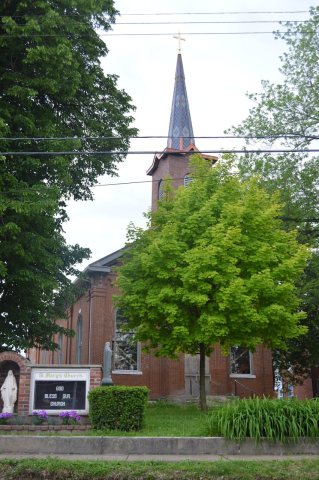
Then & now
When neighbors add old photos, retakes from the same spot appear here side by side.
Historic places
National Register · via Wikidata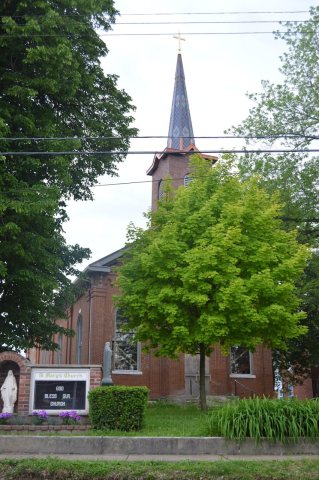
From Wikimedia Commons (1) and the National Register (1). Images are copied here with their credits and licenses, shown on each photo’s page. Refreshed monthly.