Mason,
then and now
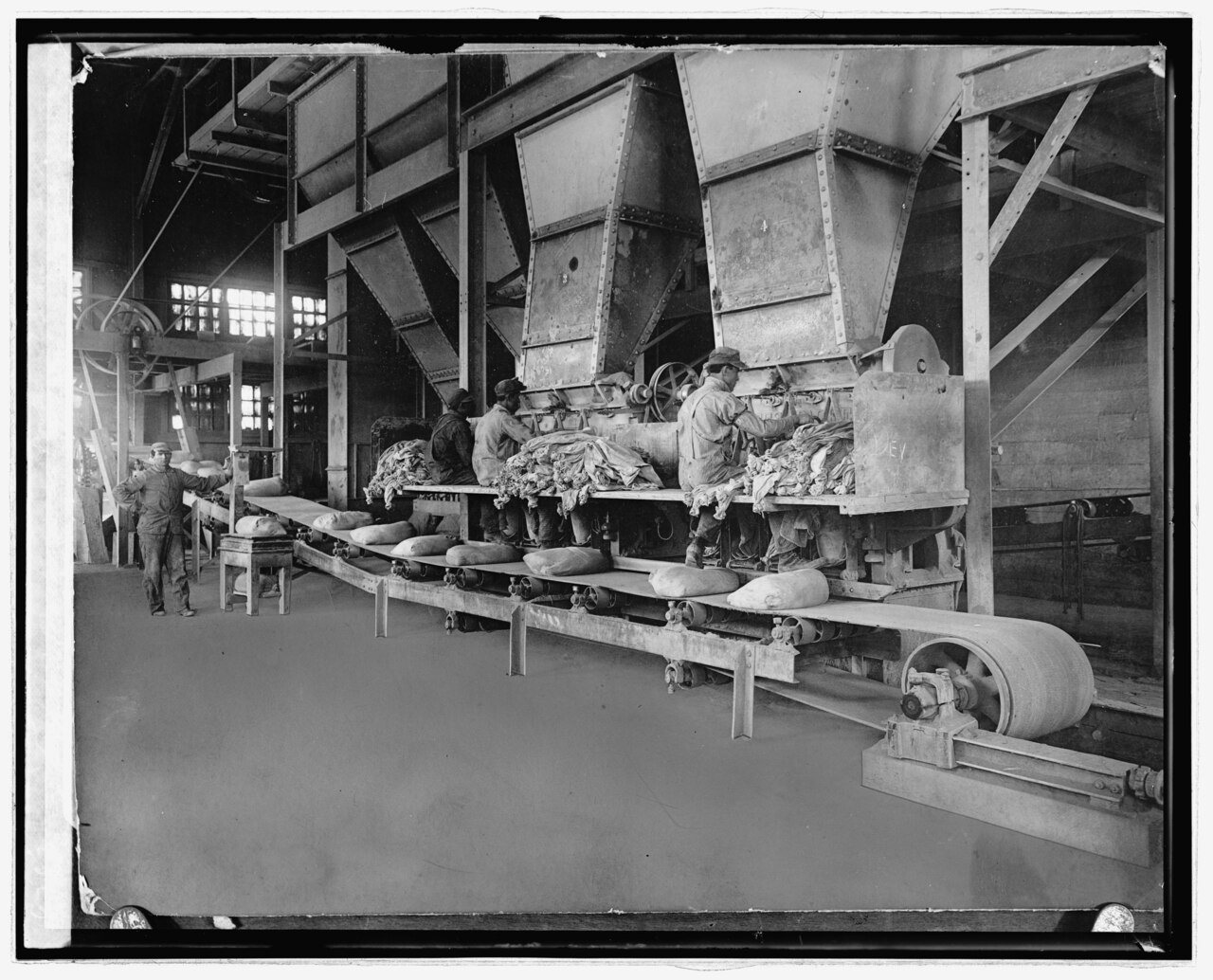
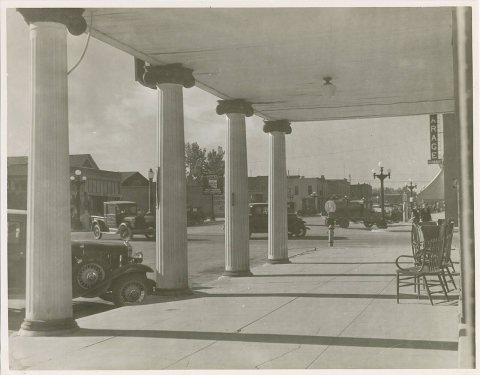
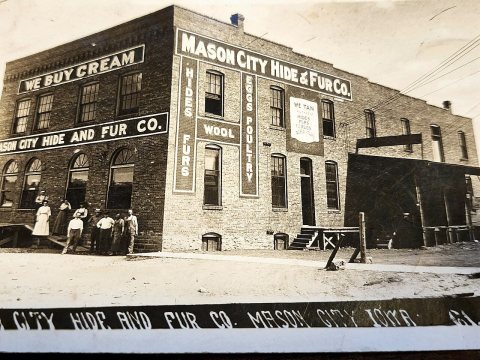
Postcards, papers and photographs of Mason from public archives, woven together by decade. Neighbors fill in the gaps.
The story
from WikipediaRead it all ↗The land upon which Mason City now stands was previously a grove of trees surrounded by the expansive and gently rolling tallgrass prairies of north-central Iowa. This wooded area was situated near the limestone outcroppings that line the confluence of Lime Creek (now known as the Winnebago River) and Willow Creek. In the years immediately preceding the east-to-west expansion of the United States, this land was inhabited by the people of the Ioway, Winnebago, Meskwaki (Fox), Sauk, and Dakota Native American tribes. The first White settlers arrived in the area in 1853, and they were John Long, Joseph Hewitt, and George Brentner, who hailed from LaSalle, Illinois. Long was a member of a Free Masonic Order, and they initially named the dense wood stand as Masonic Grove. The next year, in 1854, more settlers involved in Free Masonic groups arrived, and platted a town, first known as Shibbol…
Text from Wikipedia, licensed CC BY-SA 4.0.
Timeline
built from the dates on the items belowFinish Mason’s story
Most archives stop around 1920. The photos from after that are in family albums, not libraries.
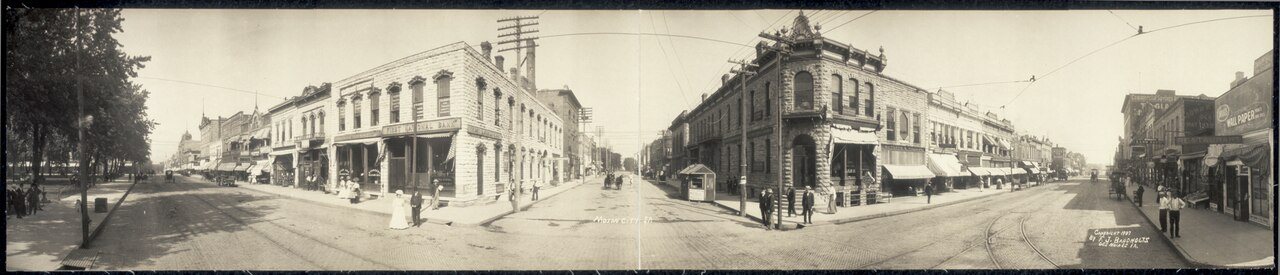
2 of 10 decades since 1900 have photos 🗓️Date a photo1 archive item has no date+2 🔁Retake an old viewMoson [sic] City, IA, 1907: stand where they stood+15 📦Share a family photoSign in to add one+10Mason, decade by decade
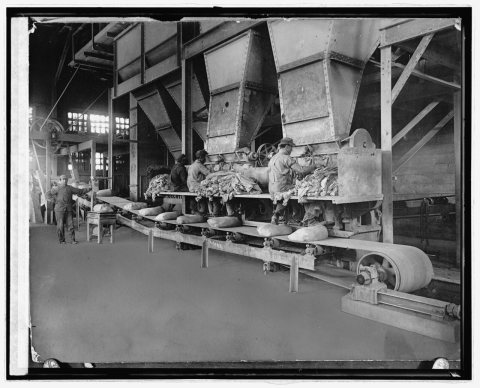
1990s
Then & now
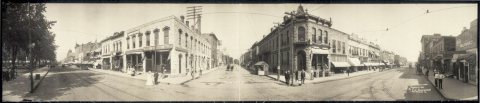
No then-and-now pairs yet. Take a photo from the same spot as Moson [sic] City, IA (1907) and it appears here side by side.
🔁 Retake this view · +15Historic places
National Register · via Wikidata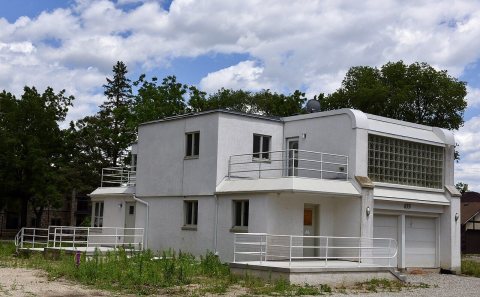
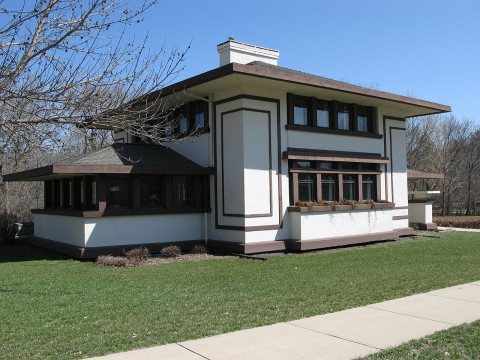
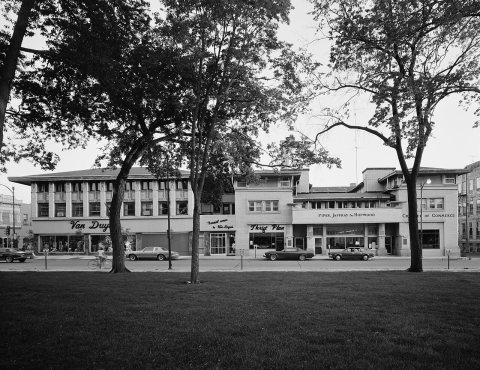

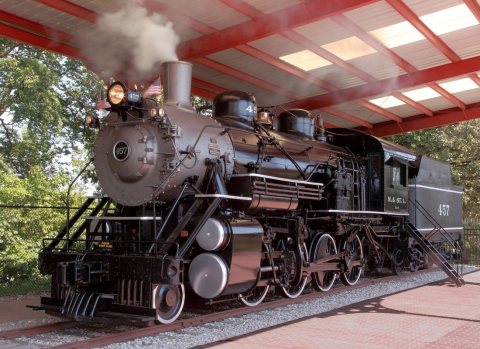
From Wikimedia Commons (7) and the National Register (5). Images are copied here with their credits and licenses, shown on each photo’s page. Refreshed monthly.