A history of Melbourne,
since 1867
Postcards, papers and photographs of Melbourne from public archives, woven together by decade. Neighbors fill in the gaps.
The story
from WikipediaRead it all ↗Evidence for the presence of Paleo-Indians in the Melbourne area during the late Pleistocene epoch was uncovered during the 1920s. C. P. Singleton, a Harvard University zoologist, discovered the bones of a mammoth (Mammuthus columbi) on his property along Crane Creek, 1.5 miles (2.4 km) from Melbourne, and brought in Amherst College paleontologist Frederick B. Loomis to excavate the skeleton. Loomis found a second elephant, with a "large, rough, flint instrument" among fragments of the elephant's ribs. Loomis found in the same stratum mammoth, mastodon, horse, ground sloth, tapir, peccary, camel, and sabertooth cat bones, all extinct in Florida since the end of the Pleistocene 10,000–8,000 BCE. At a nearby site, a human rib and charcoal were found in association with Mylodon, Megalonyx, and Chlamytherium (ground sloth) teeth. A finely worked spear point found with these items may have b…
Text from Wikipedia, licensed CC BY-SA 4.0.
Timeline
built from the dates on the items belowFinish Melbourne’s story
Most archives stop around 1920. The photos from after that are in family albums, not libraries.
4 of 10 decades since 1900 have photos 🔁Retake an old viewMelbourne, 1880: stand where they stood+15 📦Share a family photoSign in to add one+10Famous people from Melbourne
See all 38 →



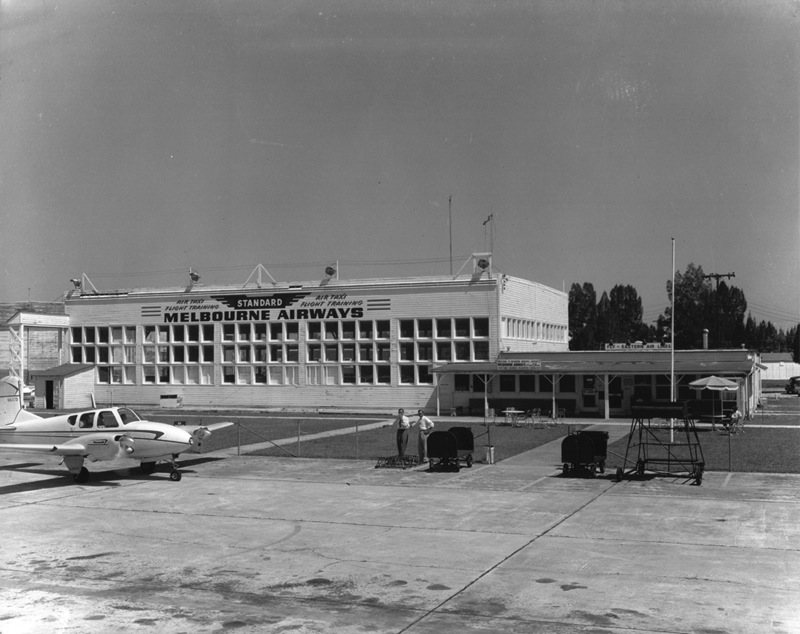
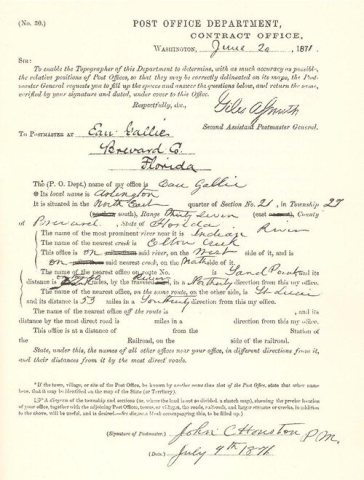
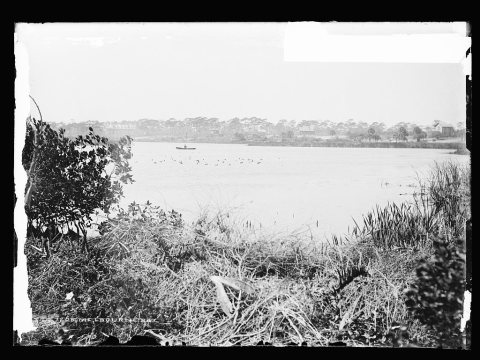
Melbourne, decade by decade
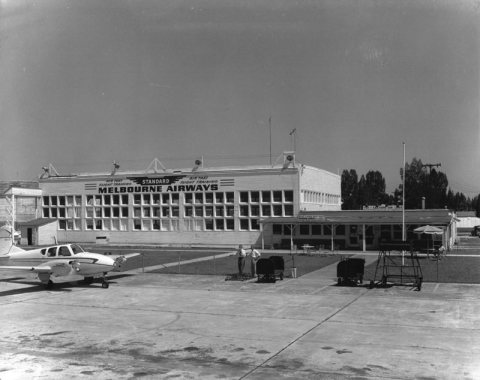
1930s
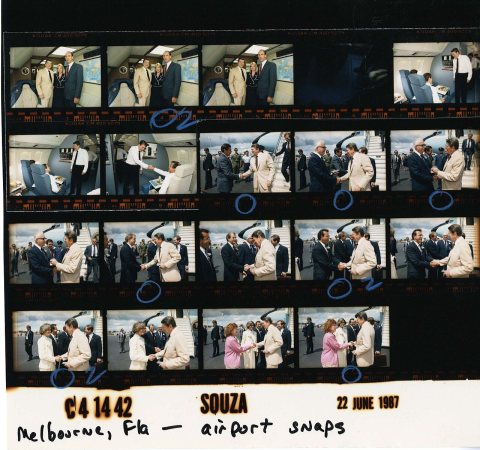
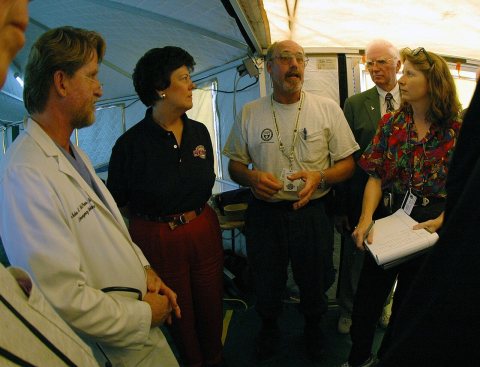
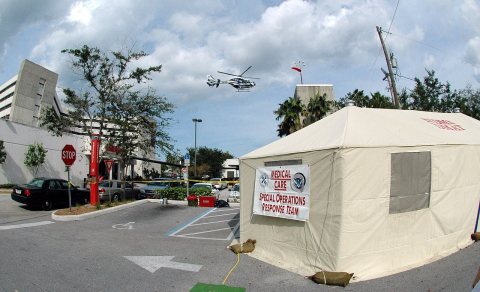
1990s
Then & now
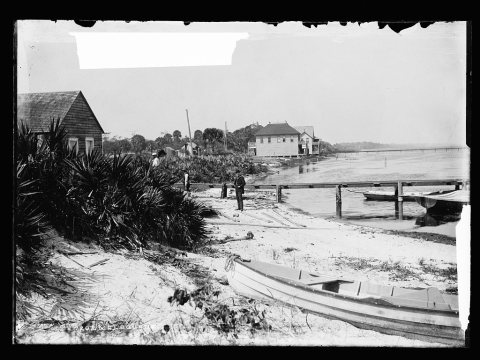
No then-and-now pairs yet. Take a photo from the same spot as Melbourne (1880) and it appears here side by side.
🔁 Retake this view · +15Historic places
National Register · via Wikidata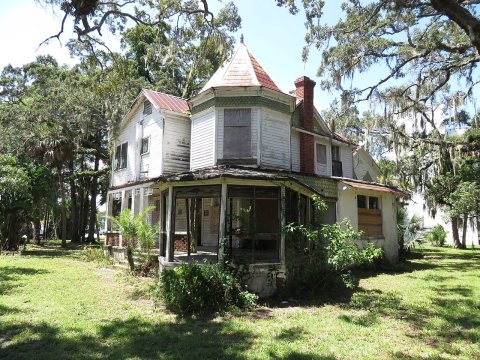
From Wikimedia Commons (9), the Library of Congress (2) and the National Register (1). Images are copied here with their credits and licenses, shown on each photo’s page. Refreshed monthly.