100% of Quinebaug’s working residents leave town for work
Most working residents leave Quinebaug for work: only 0% work in town. The top destinations are Thompson (10%), Putnam (7%) and Webster (6%). Half commute less than 15 miles.
What kind of work town is Quinebaug?
Read from the numbers below. The page puts what stands out first.
10% of working residents work in Thompson
A thicker line means more commuters. Switch between where residents work and where the people who work here live.
Where Quinebaug clocks in
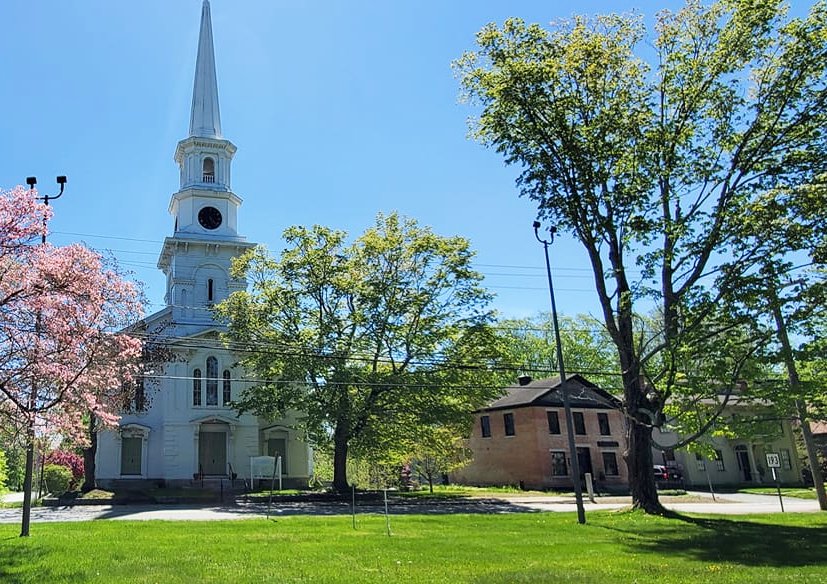 10% of workers
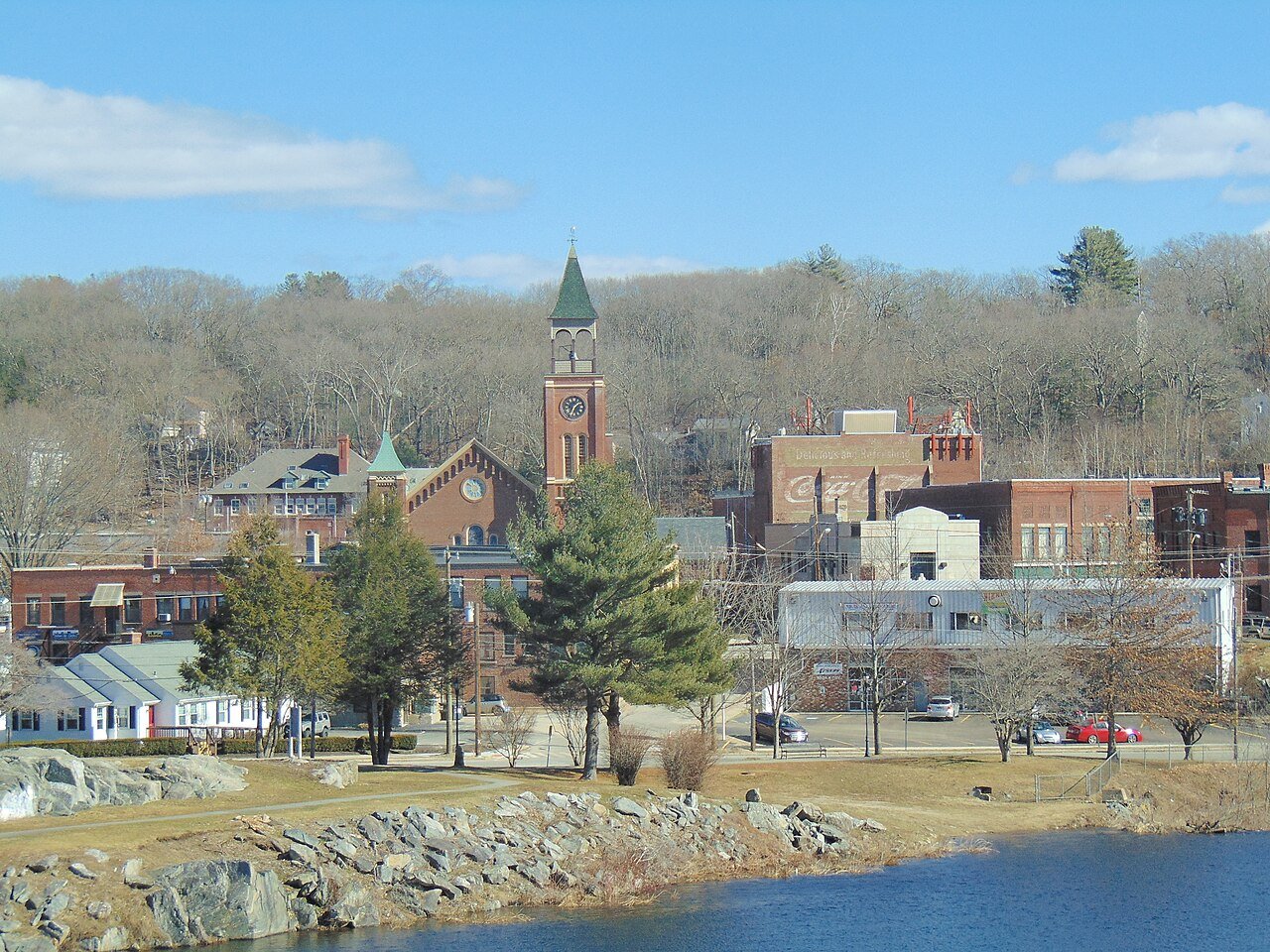 7% of workers
 6% of workers
Lines run between town centers. The top 10 towns each way; “Everywhere else” is the rest, including other states.
About 26 minutes each way, about the CT average
From the Census survey of workers who don’t work from home.
Round trip, about 230 workdays a year: roughly 8.3 full days in the car, bus or train.
Average commute minutes, one way
of Quinebaug workers work from home, vs 16% across Connecticut. Their commute is the hallway.
Quinebaug quiets down on a workday
On a workday 482 residents head out to work, 2 work right here, and 83 people come in from elsewhere.
About 790 people are in Quinebaug on a workday afternoon, 33% fewer than live here.
0.18 jobs for every working resident, so most people commute out.
Workday population = residents − those who work elsewhere + those who come in (the Census “commuter-adjusted” method). Residents: Census survey; commuters: LEHD 2023, primary jobs.
Half of Quinebaug commutes less than 15 miles
Every working resident’s trip, home to work, as the crow flies. Roads add to it, so real drives run longer.
Straight-line distance from each worker’s home block to their main job’s block. LEHD 2023.
Quinebaug makes things: 40% of its jobs are in goods
85 jobs are based in Quinebaug. Here is what they are, next to the jobs Quinebaug’s own residents hold wherever they work.
What kind of work
What it pays
Who does it
Jobs based in Quinebaug, 2013 → 2023: 34 → 85. Big swings can come from how a large employer reports its locations, not only from real openings or closings.
Primary jobs covered by unemployment insurance (not the self-employed). Pay is monthly earnings. LEHD 2023.
13% of Quinebaug works in a bordering town
The biggest share goes to Thompson (10%). Darker towns draw more of Quinebaug’s workers. Tap a town to see its commute.
Average commute minutes, one way
What this data can and can’t tell you
- Every worker, home to work. The Census links each worker’s home block to their main job’s block, for jobs covered by unemployment insurance. That’s most jobs, but not the self-employed.
- Where the employer says. A job counts where the employer reports it. Some big employers report one address for many sites, which can make a few commutes look longer than they are.
- Two surveys. Flows, distances and jobs: LEHD 2023. Commute time, working from home and working out of state: the Census American Community Survey.
- Straight lines. Distances are as the crow flies between home and work. Roads, rivers and traffic make the real trip longer.
More of Quinebaug
Commuter talk
Getting to work from Quinebaug, from the people who make the trip.
Your answer becomes a post in Town Square.
Flows, distances and jobs: U.S. Census Bureau, LEHD Origin-Destination Employment Statistics (LODES 8), 2023, primary jobs. Commute time, working from home and working out of state: U.S. Census Bureau, American Community Survey 5-year estimates. Distances are straight lines between home and work; real drives run longer.