The story
from WikipediaRead it all ↗The greater Denver area was inhabited by several Indigenous peoples such as Apaches, Utes, Cheyennes, Comanches, and Arapahoes. By the terms of the 1851 Treaty of Fort Laramie between the United States and various tribes including the Cheyenne and Arapaho, the United States unilaterally defined and recognized Cheyenne and Arapaho territory as ranging from the North Platte River in present-day Wyoming and Nebraska southward to the Arkansas River in present-day Colorado and Kansas. This definition specifically encompasses the land of modern Metropolitan Denver. But the discovery in November 1858 of gold in the Rocky Mountains in Colorado (then part of the western Kansas Territory) brought on a gold rush and a consequent flood of white immigration across Cheyenne and Arapaho lands. Colorado territorial officials pressured federal authorities to redefine and reduce the extent of Indian trea…
Text from Wikipedia, licensed CC BY-SA 4.0.
Start Denver’s collection
The first neighbors to add old photos shape how Denver’s history is told.
0 of 10 decades since 1900 have photos 📦Share a family photoSign in to add one+10Denver, decade by decade
2000
Then & now
When neighbors add old photos, retakes from the same spot appear here side by side.
Historic places
National Register · via Wikidata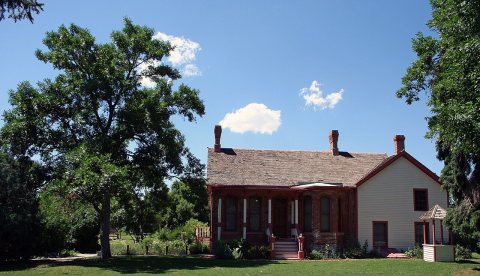
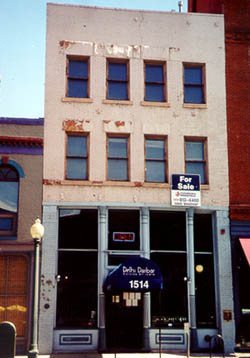
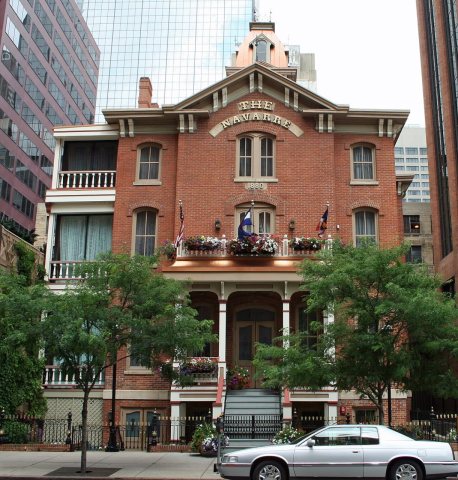
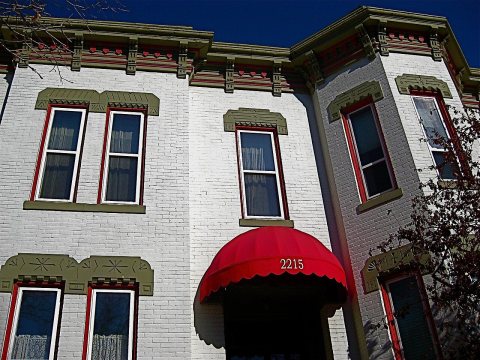
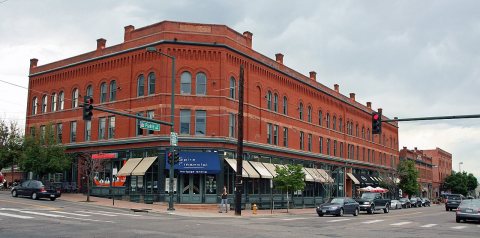
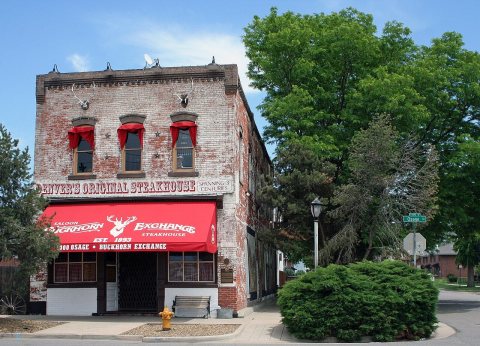
From the National Register (6). Images are copied here with their credits and licenses, shown on each photo’s page. Refreshed monthly.