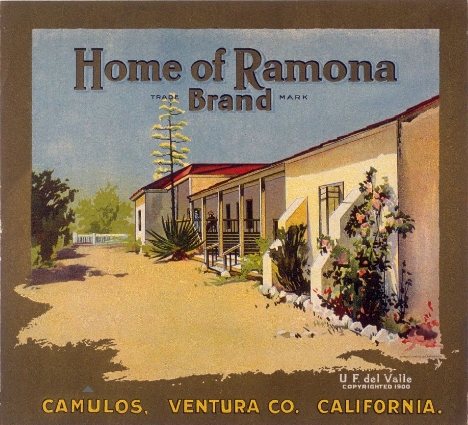
Piru’s history is
mostly unwritten
The public archives hold only 2 old photos of Piru. The rest are in attics, shoeboxes and the historical society. Help start the collection.
The story
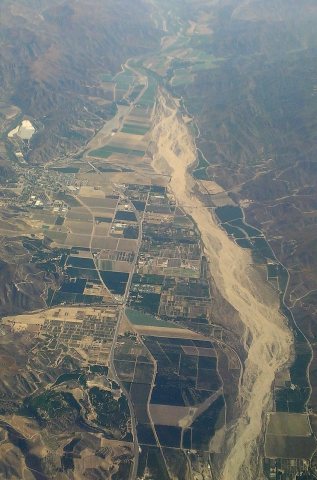
from WikipediaRead it all ↗The area was originally inhabited by the Tataviam, who often established villages along near permanent water sources at lower elevations, including Piru Creek and the Santa Clara River. The Tataviam village of Piiru was the original village of the area. There was also a nearby shared village between the Tataviam and Chumash of Kamulus in the corridor.
Piru Creek was generally known as the place where the Chumash and Tataviam shared the land with one another, being on the respective edges of each of their lands. Important plant foods for the Tataviam included yucca stalks and hearts, acorns, sage seeds, juniper and holly leaf cherry berries. The yucca hearts were collected in the spring each year and roasted in earth ovens.
Text from Wikipedia, licensed CC BY-SA 4.0.
Timeline
built from the dates on the items belowStart Piru’s collection
The first neighbors to add old photos shape how Piru’s history is told.
2 of 10 decades since 1900 have photos 🔁Retake an old viewHome of Ramona brand, 1900: stand where they stood+15 📦Share a family photoSign in to add one+10Famous people from Piru
See all 1 →Piru, decade by decade
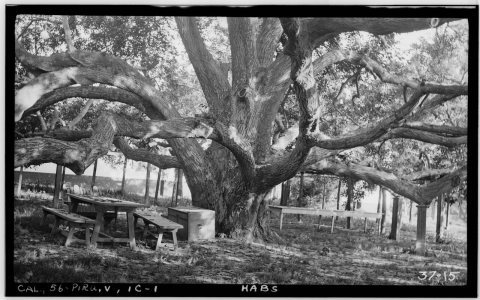
1990s

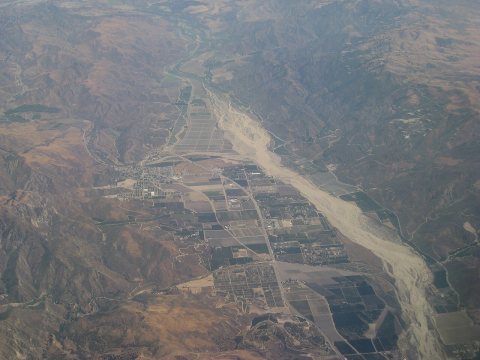
Nothing in Piru is on the National Register yet
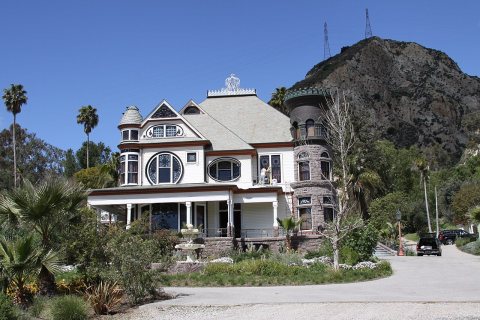
That’s true of most small towns. It doesn’t mean Piru has no history, only that no one has written up a nomination. The closest listed place is Rancho Camulos in Piru, 2.8 miles away.
Piru and the nearest listed places
How a place gets listed
Then & now
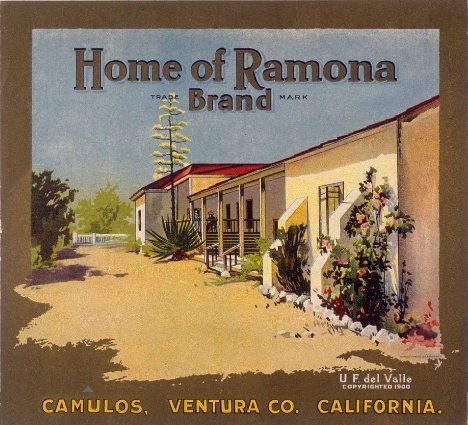
No then-and-now pairs yet. Take a photo from the same spot as Home of Ramona brand (1900) and it appears here side by side.
🔁 Retake this view · +15Stories next door
nearby towns’ historyFrom Wikimedia Commons (6). Images are copied here with their credits and licenses, shown on each photo’s page. Refreshed monthly.