Cudahy’s history is
mostly unwritten
The public archives hold only 3 old photos of Cudahy. The rest are in attics, shoeboxes and the historical society. Help start the collection.
The story
from WikipediaRead it all ↗Cudahy is named for its founder, meat-packing baron Michael Cudahy, who purchased the original 2,777 acres (1,124 hectares) of Rancho San Antonio in 1908 to resell as 1-acre (44,000 ft2; 4,000 m2; 0.40 ha) lots. These "Cudahy lots" were notable for their size—in most cases, 50 to 100 feet (15 to 30 m) in width and 600 to 800 feet (183 to 244 m) in depth, at least equivalent to a city block in most American towns. Such parcels, often referred to as "railroad lots", were intended to allow the new town's residents to keep a large vegetable garden, a grove of fruit trees (usually citrus), and a chicken coop or horse stable. This arrangement, popular in the towns along the lower Los Angeles and San Gabriel rivers, proved particularly attractive to the Southerners and Midwesterners who were leaving their struggling farms in droves in the 1910s and 1920s to start new lives in Southern Californ…
Text from Wikipedia, licensed CC BY-SA 4.0.
Timeline
built from the dates on the items belowStart Cudahy’s collection
The first neighbors to add old photos shape how Cudahy’s history is told.
0 of 10 decades since 1900 have photos 🗓️Date a photo2 archive items have no date+2 🔁Retake an old viewMichael Cudahy (1841–1910) 02, 1892: stand where they stood+15 📦Share a family photoSign in to add one+10Famous people from Cudahy
See all 2 →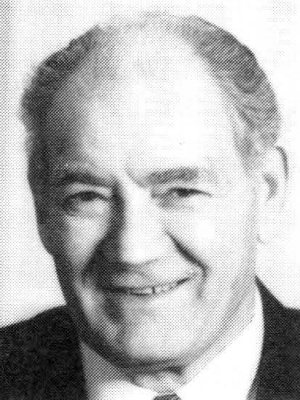
Cudahy, decade by decade
1990s
unknown2 items

Then & now
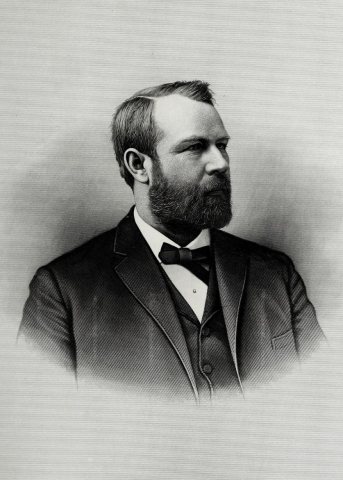
No then-and-now pairs yet. Take a photo from the same spot as Michael Cudahy (1841–1910) 02 (1892) and it appears here side by side.
🔁 Retake this view · +15Stories next door
nearby towns’ historyFrom Wikimedia Commons (6). Images are copied here with their credits and licenses, shown on each photo’s page. Refreshed monthly.