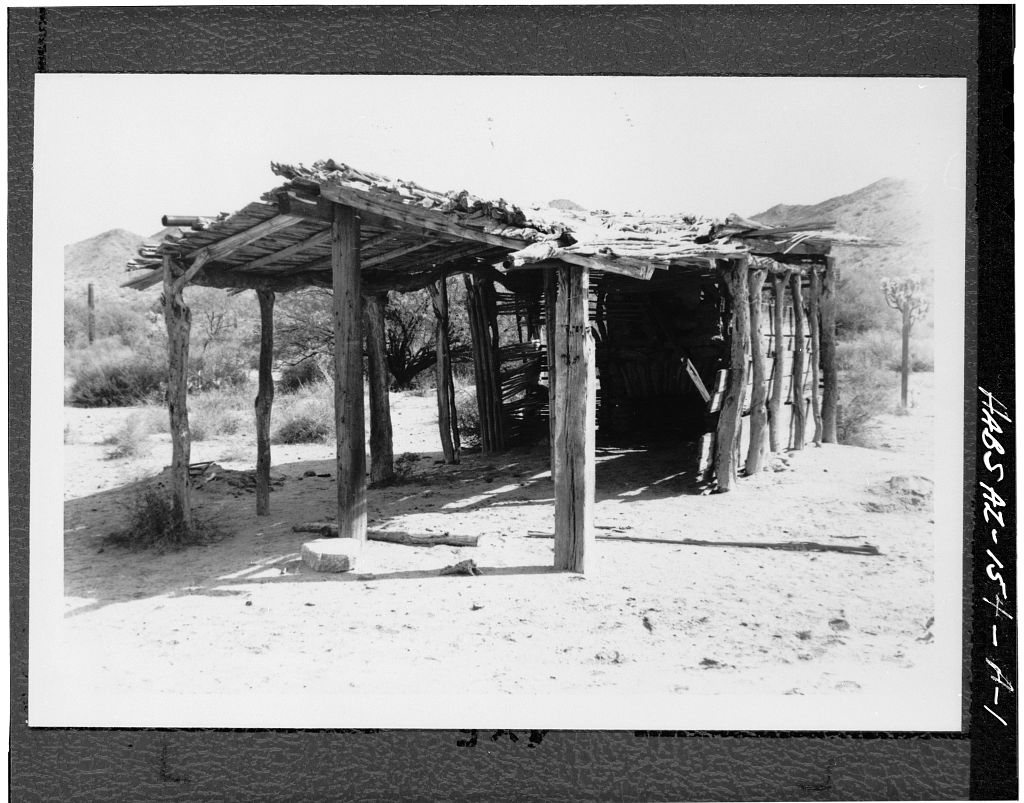
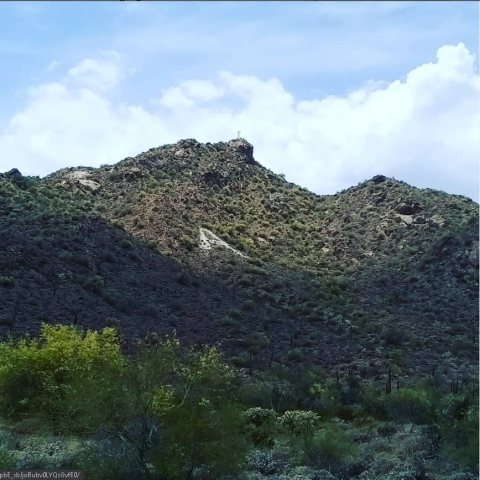
Ajo’s history is
mostly unwritten
The public archives hold only 3 old photos of Ajo. The rest are in attics, shoeboxes and the historical society. Help start the collection.
The story
from WikipediaRead it all ↗Ajo is the Spanish word for garlic (Spanish pronunciation: [ˈaxo]). The Spanish may have named the place using the familiar word in place of the similar-sounding Oʼodham word for paint (oʼoho). The Tohono Oʼodham people obtained red paint pigments from the area.
Native Americans, Spaniards, and Americans have all extracted mineral wealth from Ajo's abundant ore deposits. In the early nineteenth century, there was a Spanish mine nicknamed "Old Bat Hole" that was abandoned due to Indian raids. Tom Childs Sr., found the deserted mine complete with a 60-foot (18 m) shaft, mesquite ladders, and rawhide buckets in 1847. He did not stay long at that time because he was on his way to the silver mines near Magdalena de Kino.
Text from Wikipedia, licensed CC BY-SA 4.0.
Timeline
built from the dates on the items belowStart Ajo’s collection
The first neighbors to add old photos shape how Ajo’s history is told.
1 of 10 decades since 1900 have photos 🗓️Date a photo2 archive items have no date+2 🔁Retake an old viewDeparting, 1974: stand where they stood+15 📦Share a family photoSign in to add one+10Famous people from Ajo
See all 1 →Ajo, decade by decade
1990s
unknown2 items
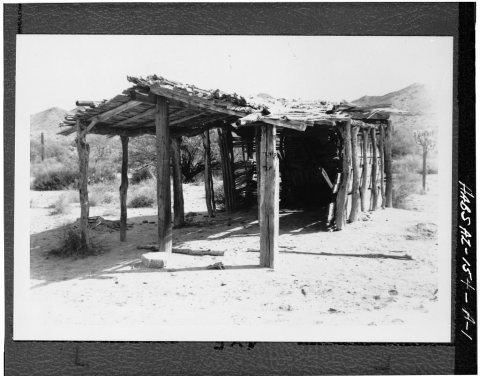
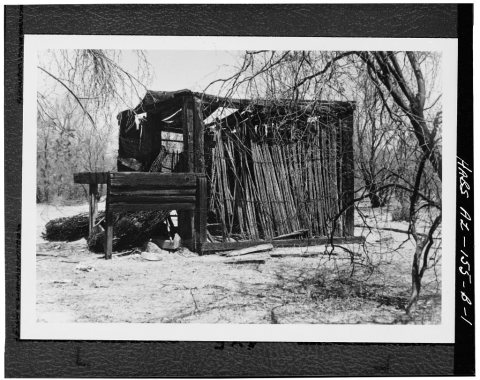
3 historic places in Ajo
Ajo has 3 listings on the National Register, and they protect 113 historic buildings, because Ajo Townsite Historic District alone counts 106.
Where they are
When they were listed
Then & now
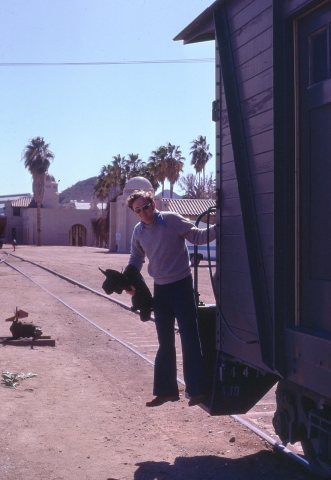
No then-and-now pairs yet. Take a photo from the same spot as Departing (1974) and it appears here side by side.
🔁 Retake this view · +15Stories next door
nearby towns’ historyFrom Wikimedia Commons (10) and the Library of Congress (2). Images are copied here with their credits and licenses, shown on each photo’s page. Refreshed monthly.