A history of Point Hope,
since 1966
Postcards, papers and photographs of Point Hope from public archives, woven together by decade. Neighbors fill in the gaps.
The story
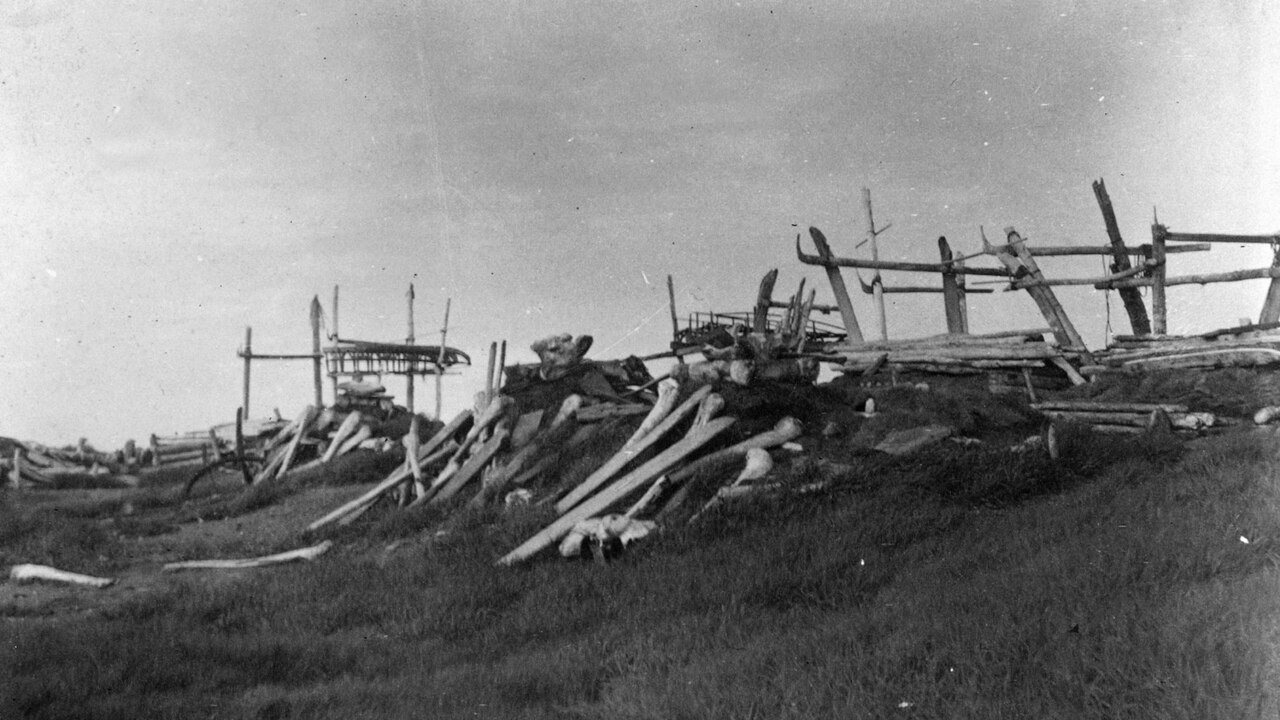
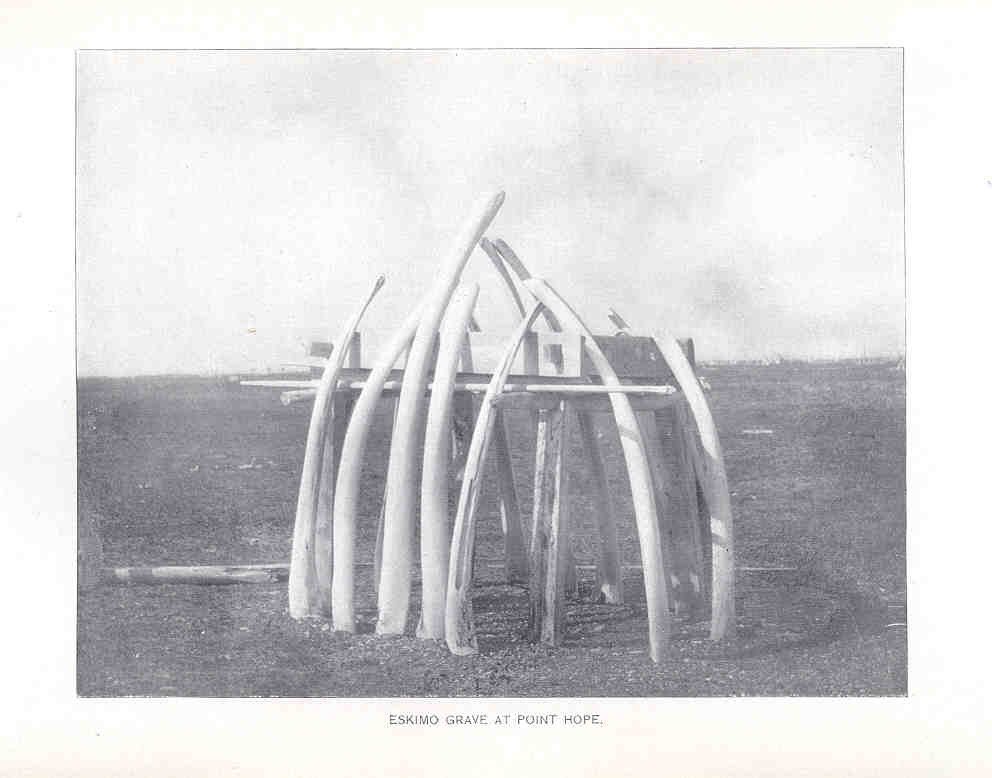
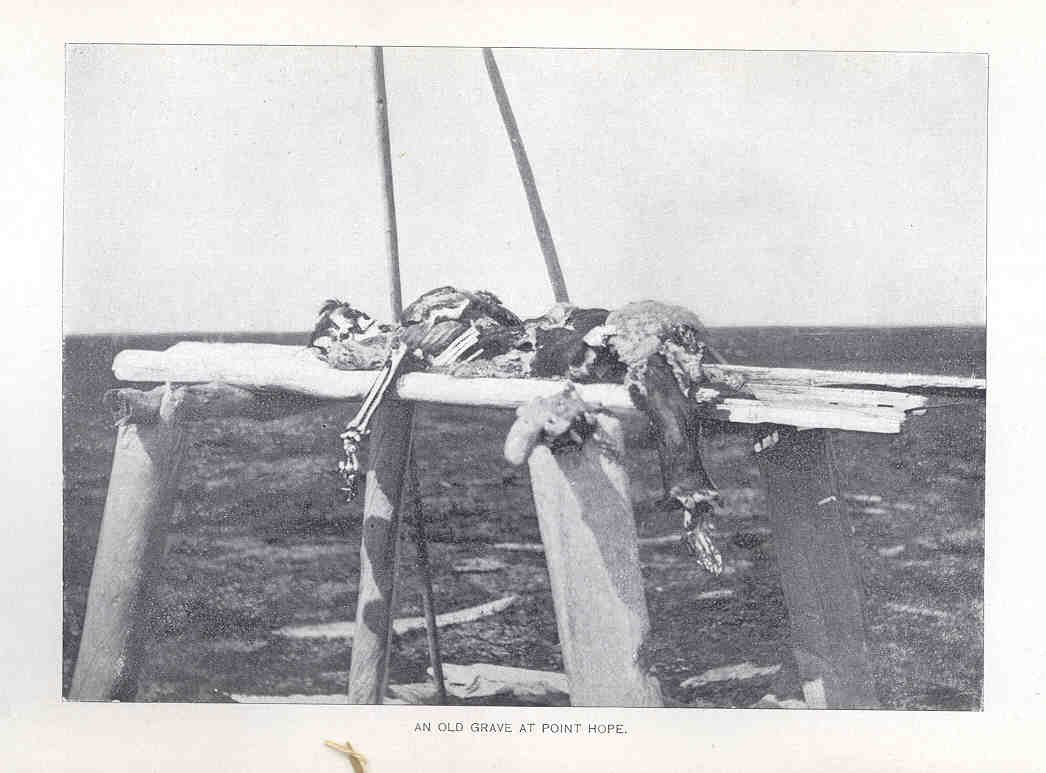
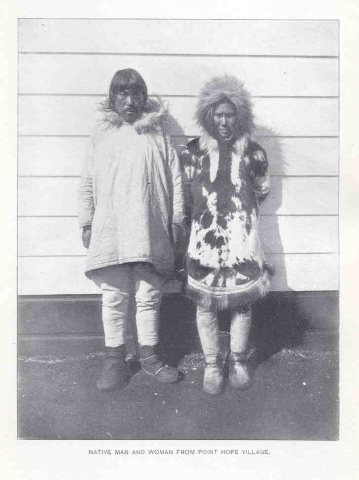
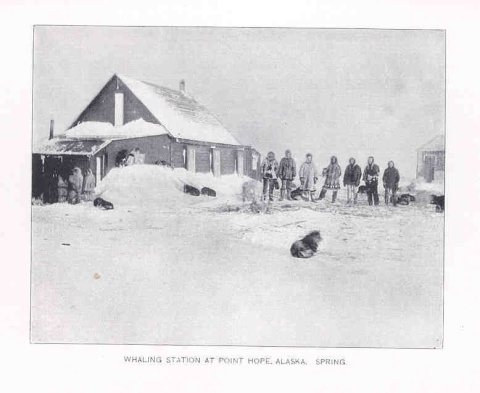
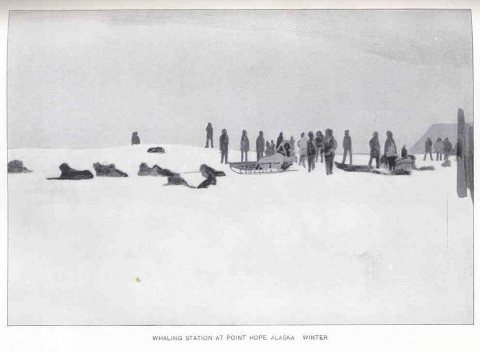
from WikipediaRead it all ↗The descriptive Inuit name of the place, "Tikarakh" or "Tikiġaq", commonly spelled "Tiagara", means "forefinger". It was recorded as "Tiekagagmiut" in 1861 by P. Tikhmeniev Wich of the Russian Hydrographic Department and on Russian Chart 1495 it became "Tiekaga". This ancient village site was advantageous, because the protrusion of Point Hope into the sea brought the whales close to the shore. At Tikigaq, they built semi-subterranean houses using mainly whalebone and driftwood. Point Hope is one of the oldest continually occupied sites in North America. While some of the earlier dwellings have been lost to erosion as the point shrinks, it still provides valuable information to archaeologists on how early Eskimos survived in their harsh environment. The Tikigaq site according to Helge Larsen is, "by far the most extensive and complete one-period site yet discovered and described in the …
Text from Wikipedia, licensed CC BY-SA 4.0.
Timeline
built from the dates on the items belowFinish Point Hope’s story
Most archives stop around 1920. The photos from after that are in family albums, not libraries.
0 of 10 decades since 1900 have photos 🔁Retake an old viewPointHopeHousesUSGSric00682, 1885: stand where they stood+15 📦Share a family photoSign in to add one+10Famous people from Point Hope
See all 2 →Point Hope, decade by decade
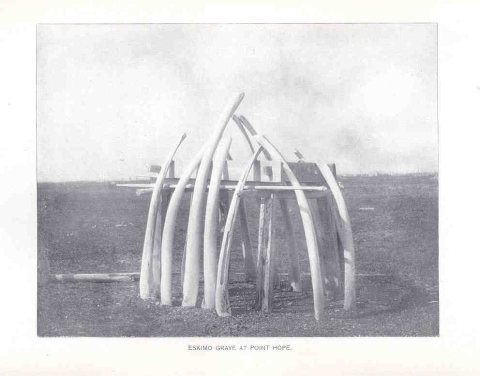
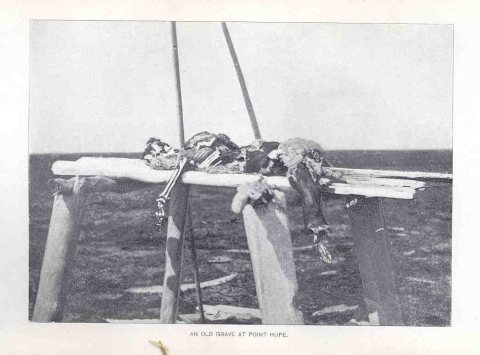
1990s
Then & now
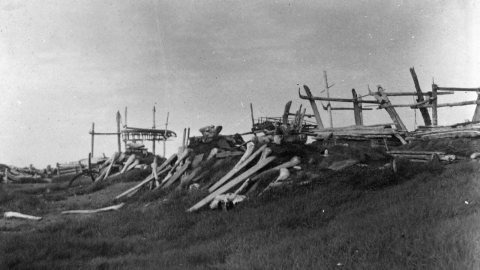
No then-and-now pairs yet. Take a photo from the same spot as PointHopeHousesUSGSric00682 (1885) and it appears here side by side.
🔁 Retake this view · +15From Wikimedia Commons (6). Images are copied here with their credits and licenses, shown on each photo’s page. Refreshed monthly.