About half of working residents work right in Omaha
73% of Omaha’s working residents work right in town. The top destinations are Lincoln (3%), Council Bluffs (3%) and Papillion (2%). Half commute less than 6 miles.
Omaha’s public schools outperform 5% of Nebraska districts
The public schools Omaha’s kids attend, from kindergarten through graduation, trail 95% of Nebraska’s districts on state tests and graduation. Among towns with similar incomes, they rank near the bottom.
NCES · EDFacts · graded within NE on state tests and graduationAll 212 schools →
Climate
Four seasons, pleasant summers
Omaha has cold, snowy winters and warm summers. A typical July afternoon reaches 86°, a January night drops to 14°, and about 34 inches of snow falls in a normal winter.
Omaha's reported crime rate is well above Nebraska's. Most reported incidents are property crimes, mainly thefts. 1,686 violent crimes were reported in 2025.
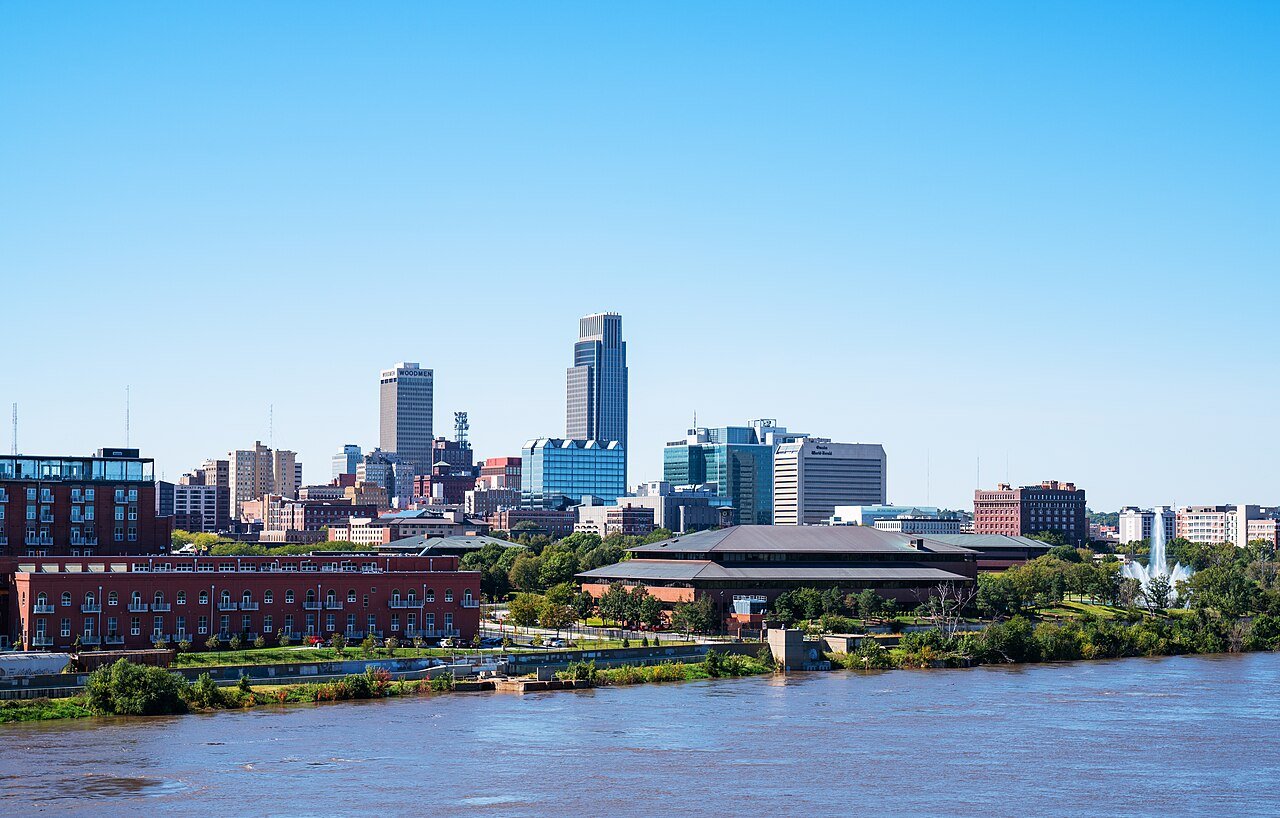
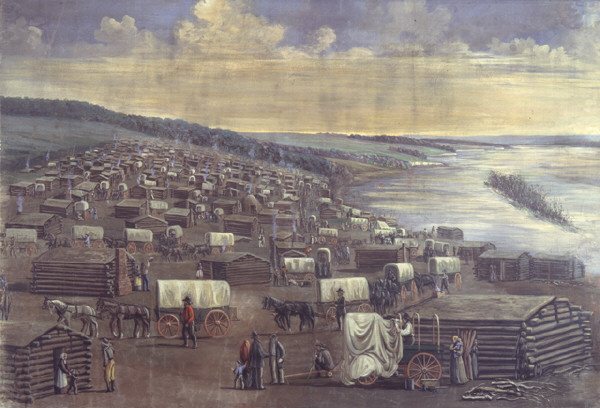
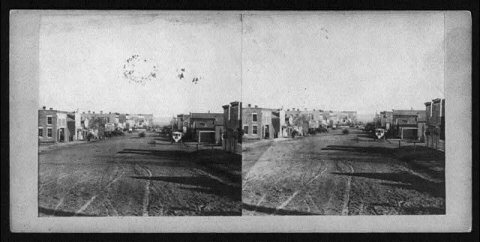
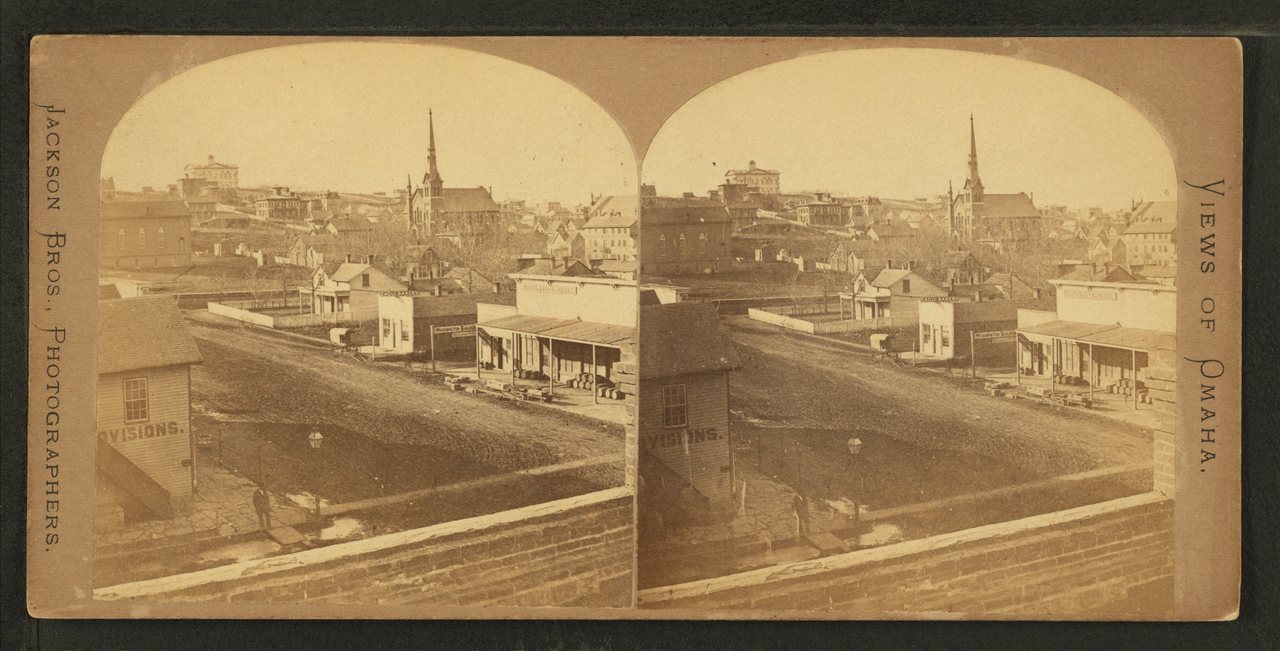
Omaha is the most populous city in the U.S. state of Nebraska. It is located in the Midwestern United States along the Missouri River, about 10 mi (15 km) north of the mouth of the Platte River. Omaha had a population of 486,051 at the 2020 census, and with a 2025 population estimate of 488,797, it is the 42nd-most populous U.S. city. The eight-county Omaha–Council Bluffs metropolitan area extending into Iowa has approximately 1 million residents, the 55th-largest metropolitan area in the U.S. It is the county seat of Douglas County. Omaha's pioneer period began in 1854, when the city was founded along the Missouri River by speculators from neighboring Council Bluffs, Iowa. It originally co…