About half of working residents work right in Fargo
70% of Fargo’s working residents work right in town. The top destinations are West Fargo (10%), Moorhead (5%) and Bismarck (2%). Half commute less than 4 miles.
Fargo’s public schools outperform 66% of North Dakota districts
The public schools Fargo’s kids attend, from kindergarten through graduation, outperform 66% of North Dakota’s districts on state tests and graduation. Among towns with similar incomes, they sit near the middle.
NCES · EDFacts · graded within ND on state tests and graduationAll 41 schools →
Climate
Snowy winters, pleasant summers
Fargo has cold, snowy winters and pleasant summers. A typical July afternoon reaches 82°, a January night drops to 0°, and about 51 inches of snow falls in a normal winter.
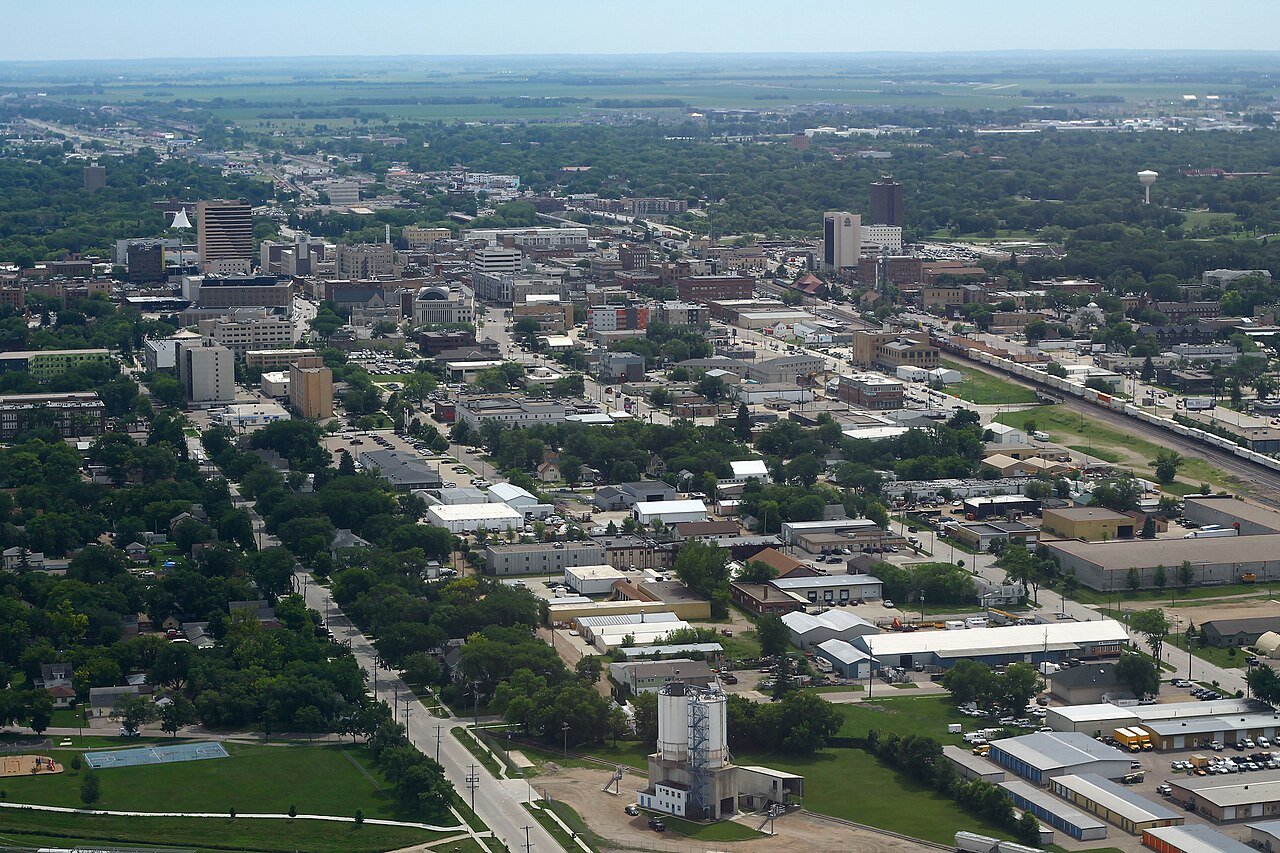
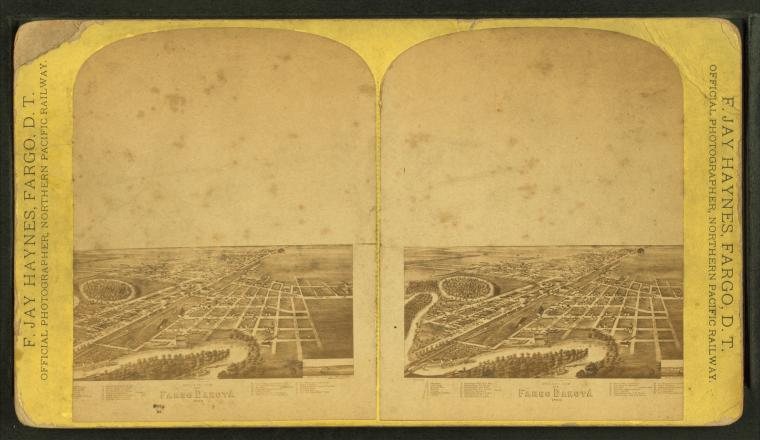
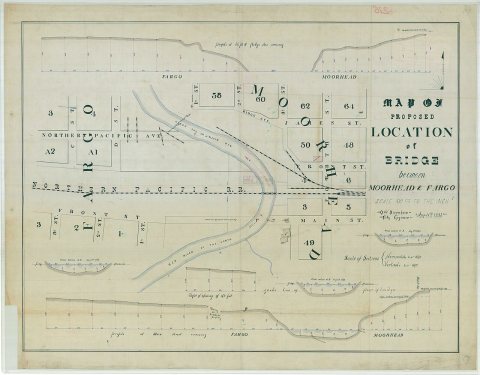
Fargo is the most populous city in the U.S. state of North Dakota. The population was 125,990 at the 2020 census and estimated at 136,285 in 2024. Fargo and its twin city of Moorhead, Minnesota, form the core of the Fargo–Moorhead metropolitan area, which had a population of 248,591 in 2020. It is the county seat of Cass County. Fargo was founded in 1871 on the Red River of the North floodplain. It is a cultural, retail, health care, educational, and industrial center for southeastern North Dakota and northwestern Minnesota. North Dakota State University is in the city.