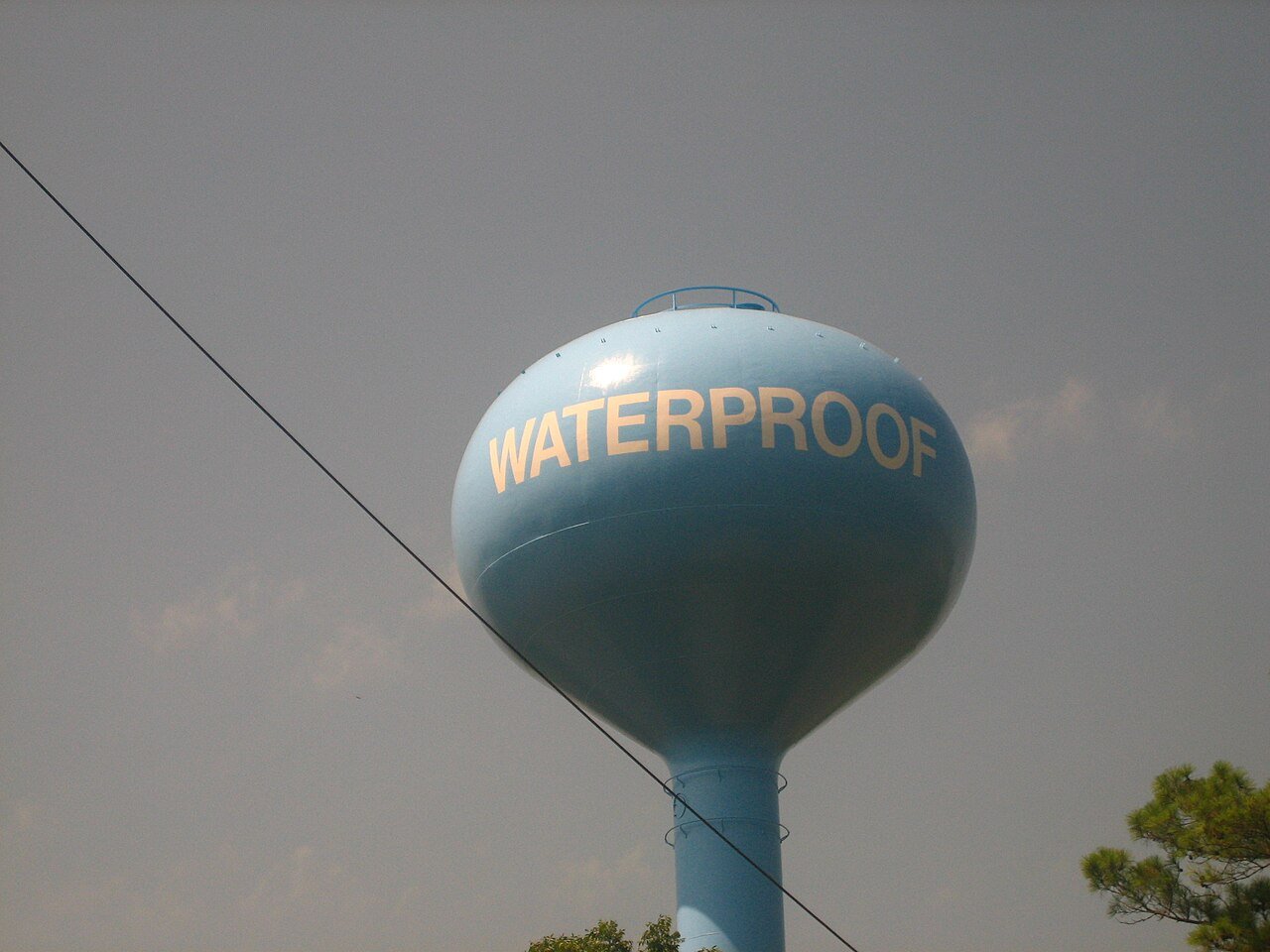
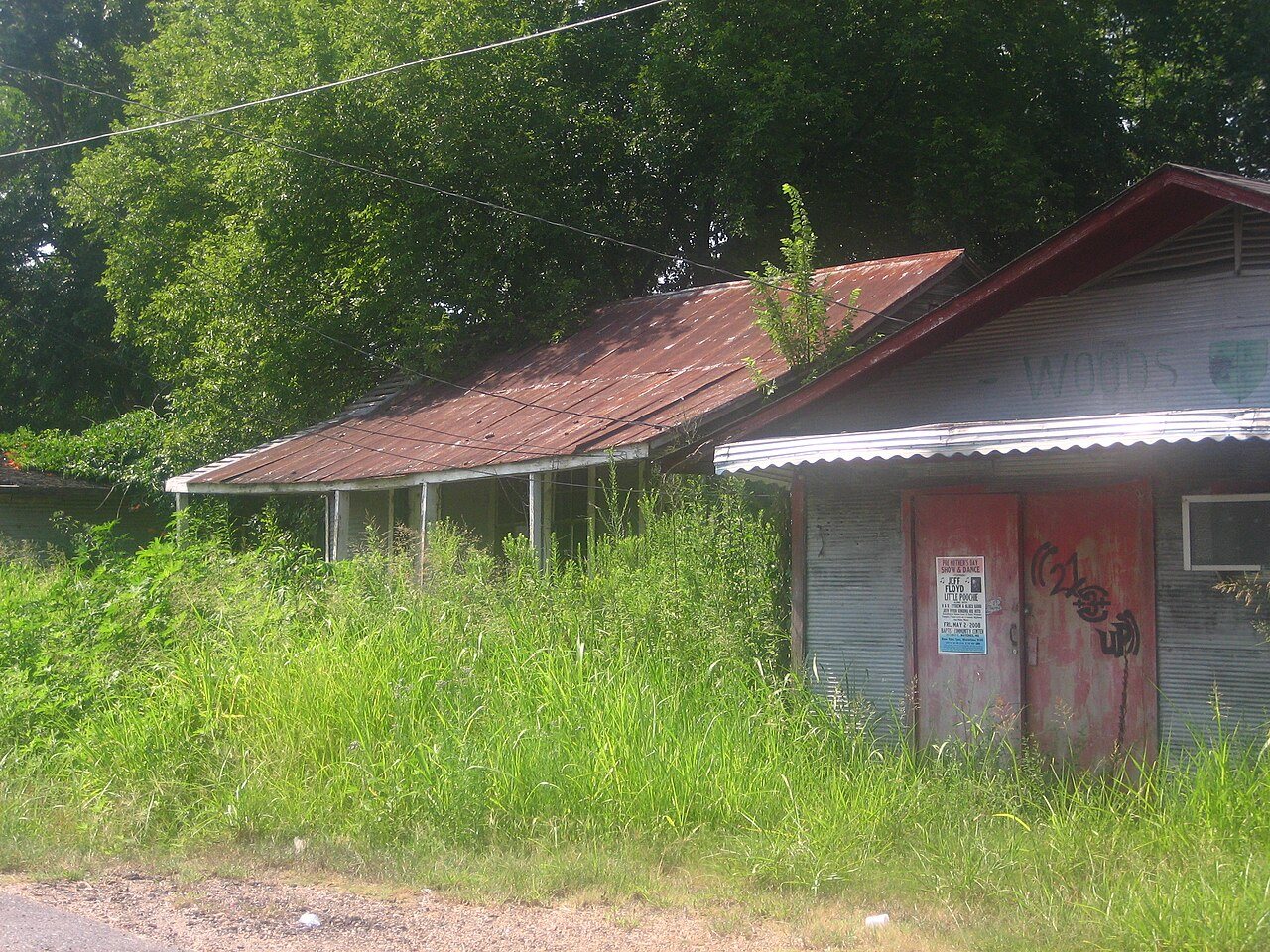
Waterproof in pictures
6 postcards, papers and photographs from public archives, and 2 places on the National Register.
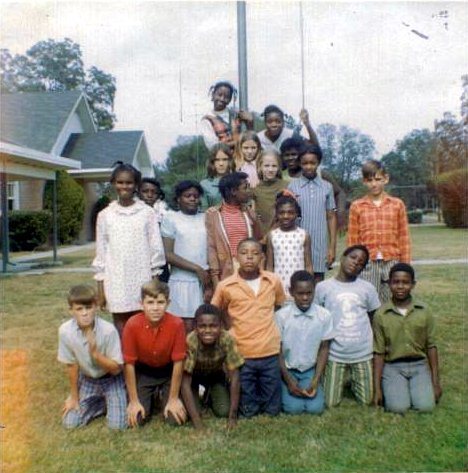
- 19726th grade class in Waterproof, 1971-1972
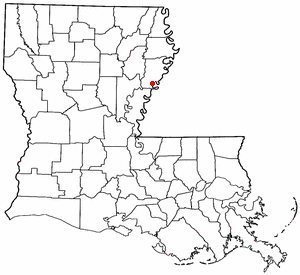
- 2004LAMap-doton-Waterproof
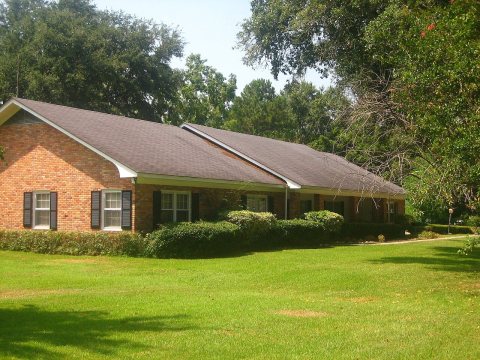
- 2008Abandoned buildings in Waterproof, LA IMG 1229
A town of 576.
In a town this size, neighbors are the best guide. Ask them anything.
Be the first to start the conversation.
Ordered by what stands out in Waterproof. Another town gets a different order.
Most working residents leave Waterproof for work: only 0% work in town. The top destinations are St. Joseph (18%), Tallulah (7%) and Natchez (7%). Half commute less than 42 miles.
Waterproof has mild winters and hot summers, with plenty of rain. A typical July afternoon reaches 92°, a January night drops to 37°, and snow is almost unheard of.
Expected storm and flood damage is higher than in 37% of U.S. communities.
Waterproof beats the Louisiana average on 4 of 32 CDC measures and trails it on 22.
| What stands out | Waterproof | LA |
|---|---|---|
| Fewer binge drinkers | 10.1% | 16.9% |
| Fewer adults who have had cancer | 5.8% | 7.5% |
| More adults facing a utility shut-off | 29.8% | 12.4% |
1.3 miles of trails across 0 parks and preserves.
Where Waterproof’s working residents go each day. Line width shows the share.
Census LEHD 2023
6 postcards, papers and photographs from public archives, and 2 places on the National Register.
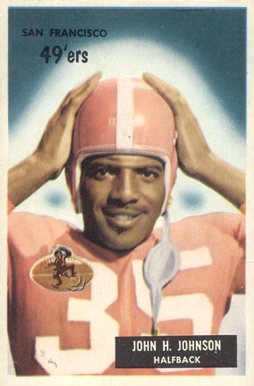
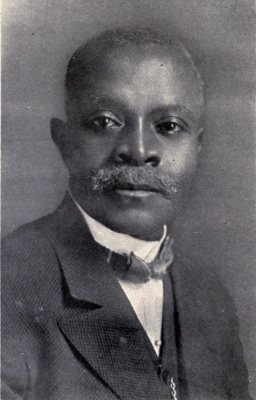
6 notable people were born in Waterproof.
Village in Louisiana, United States
Waterproof is a village in Tensas Parish in northeastern Louisiana, United States with a population of 541 as of the 2020 census. In 2010, 91.7 percent of the village population was African American. Some 24 percent of Waterproof residents in 2010 were aged sixty or above. Waterproof is approximately 17 mi (27 km) north of Ferriday, one of the two principal communities of Concordia Parish. The village is named for its relative safety from flooding prior to construction of the Mississippi River levee system. With a population dependent on agriculture, the rural village struggles with poverty. Mechanization has decreased the need for farm labor. Industrial-scale cotton is the major commodity.…
From Wikipedia, licensed CC BY-SA 4.0 · facts via Wikidata (CC0)