125 years in pictures
7 postcards, papers and photographs from public archives.
- 1901Dike is settled
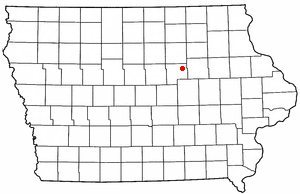
- 2004IAMap-doton-Dike
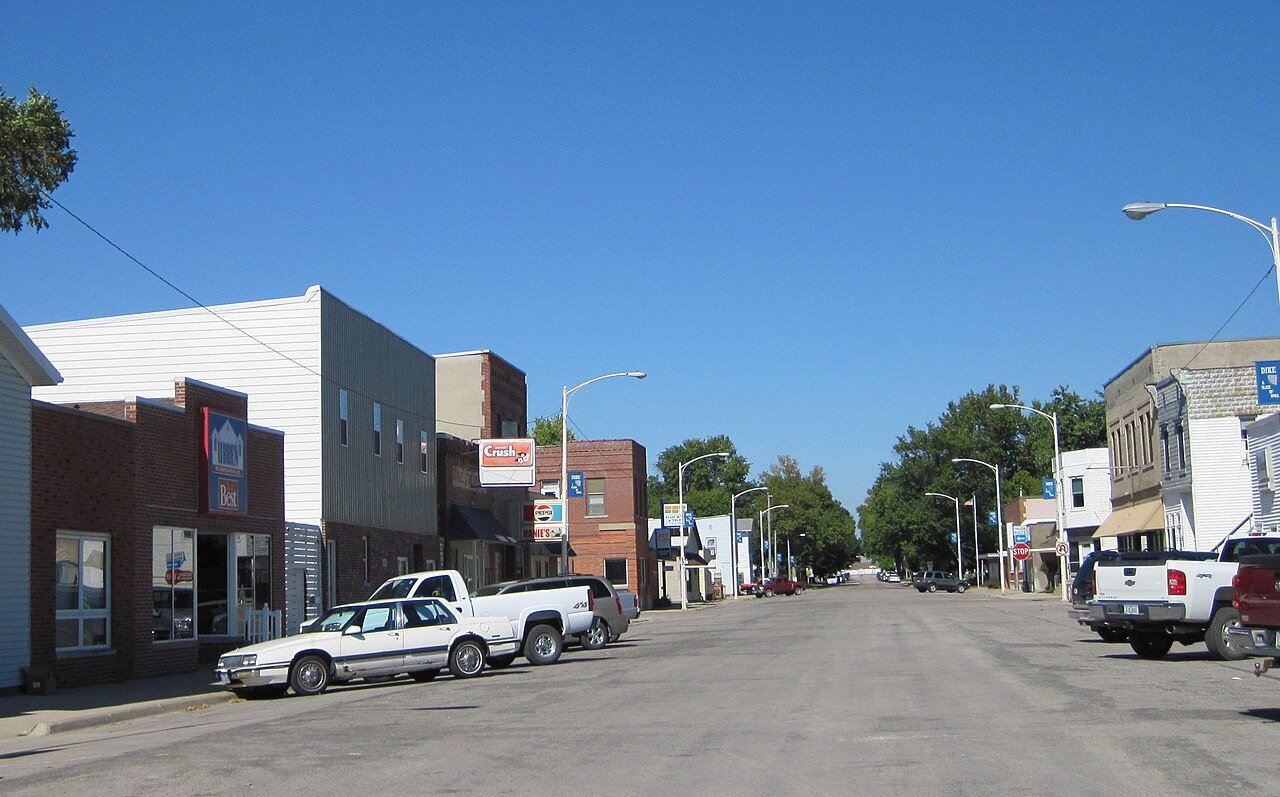
- 2009Dike Iowa
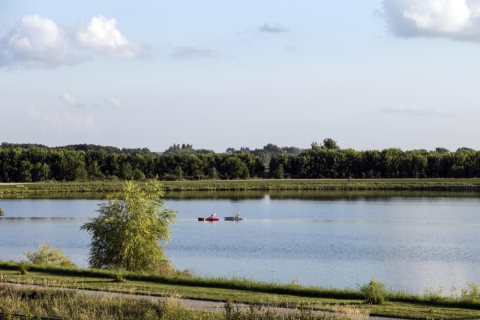
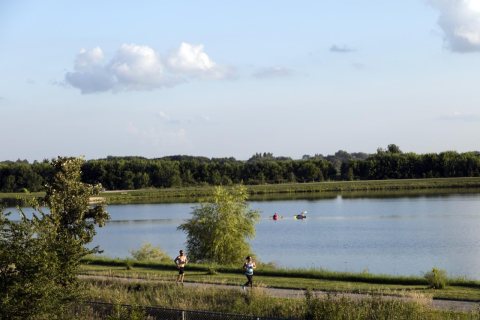
- 2016Rowers enjoy a summer day at Grundy County Lake near the to…
- 2019Farmers Cooperative in
A town of 1,365, settled in 1901. Public schools that outperform most of Iowa.
The 3 things Dike does most differently from other towns.
In a town this size, neighbors are the best guide. Ask them anything.
Be the first to start the conversation.
Ordered by what stands out in Dike. Another town gets a different order.
The public schools Dike’s kids attend, from kindergarten through graduation, outperform 87% of Iowa’s districts on state tests and graduation. Among towns with similar incomes, they rank near the top.
| School | Grades | Students | Grade |
|---|---|---|---|
| Dike Elementary School | PK–4 | 306 | A |
| Dike-New Hartford High School | 9–12 | 294 | B |
Dike beats the Iowa average on 8 of 32 CDC measures and trails it on 0.
| What stands out | Dike | IA |
|---|---|---|
| Fewer adults facing food insecurity | 8.3% | 12% |
| Fewer uninsured adults | 5.2% | 7.3% |
Most working residents leave Dike for work: only 5% work in town. The top destinations are Waterloo (27%), Cedar Falls (20%) and Reinbeck (10%). Half commute less than 13 miles.
The typical Dike home is worth about $301,000, up 2.2% in a year, 26% above the Iowa typical home.
Dike has cold, snowy winters and pleasant summers. A typical July afternoon reaches 83°, a January night drops to 9°, and about 32 inches of snow falls in a normal winter.
2.2 miles of trails across 1 parks and preserves.
| Biggest places to walk | Trails | Acres |
|---|---|---|
| 1. Dike Park | 0.1 mi | 3 |
Expected storm and flood damage is higher than in 38% of U.S. communities.
Where Dike’s working residents go each day. Line width shows the share.
Census LEHD 2023
7 postcards, papers and photographs from public archives.
City in Iowa, USA
Dike is a city in Grundy County, Iowa, United States. The population was 1,304 at the 2020 census, an increase of 38% over the total of 944 residents in 2000. It is part of the Waterloo–Cedar Falls Metropolitan Statistical Area.
From Wikipedia, licensed CC BY-SA 4.0 · facts via Wikidata (CC0)