Cool vs Ross
91 miles apart. The biggest differences: jobs per worker (14.7× in Cool) and property tax bill (2.1× in Cool).
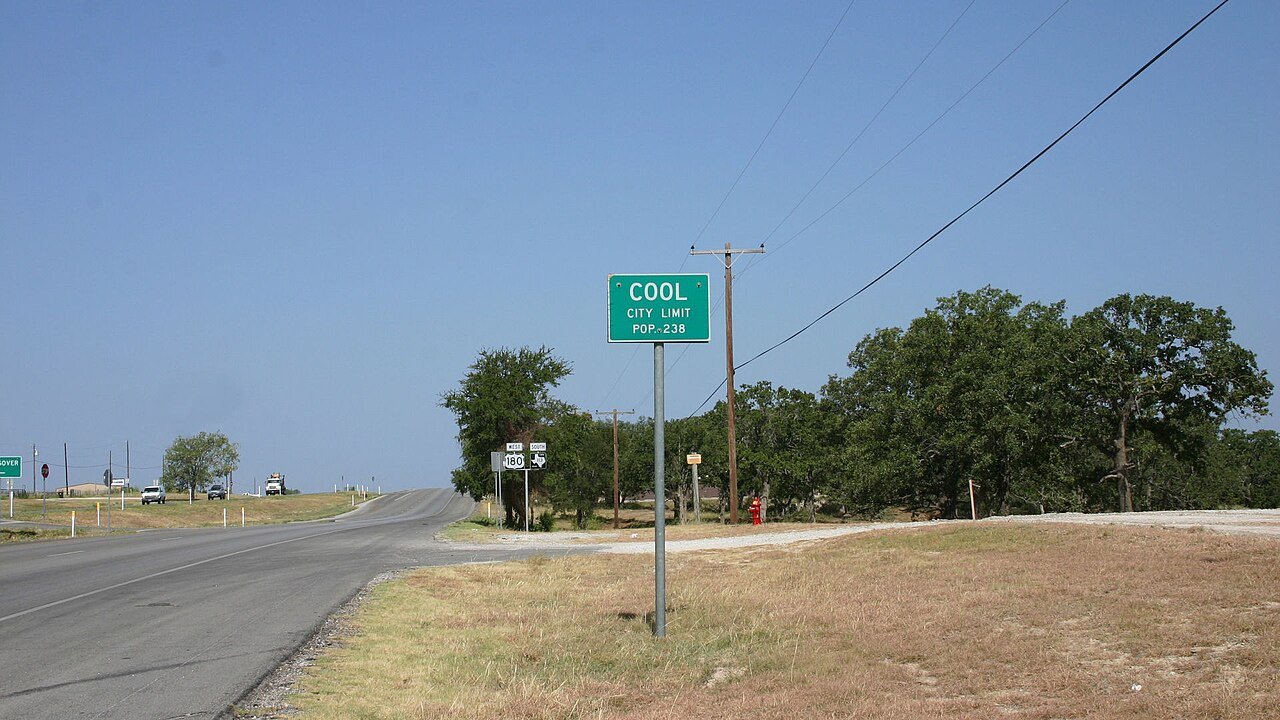
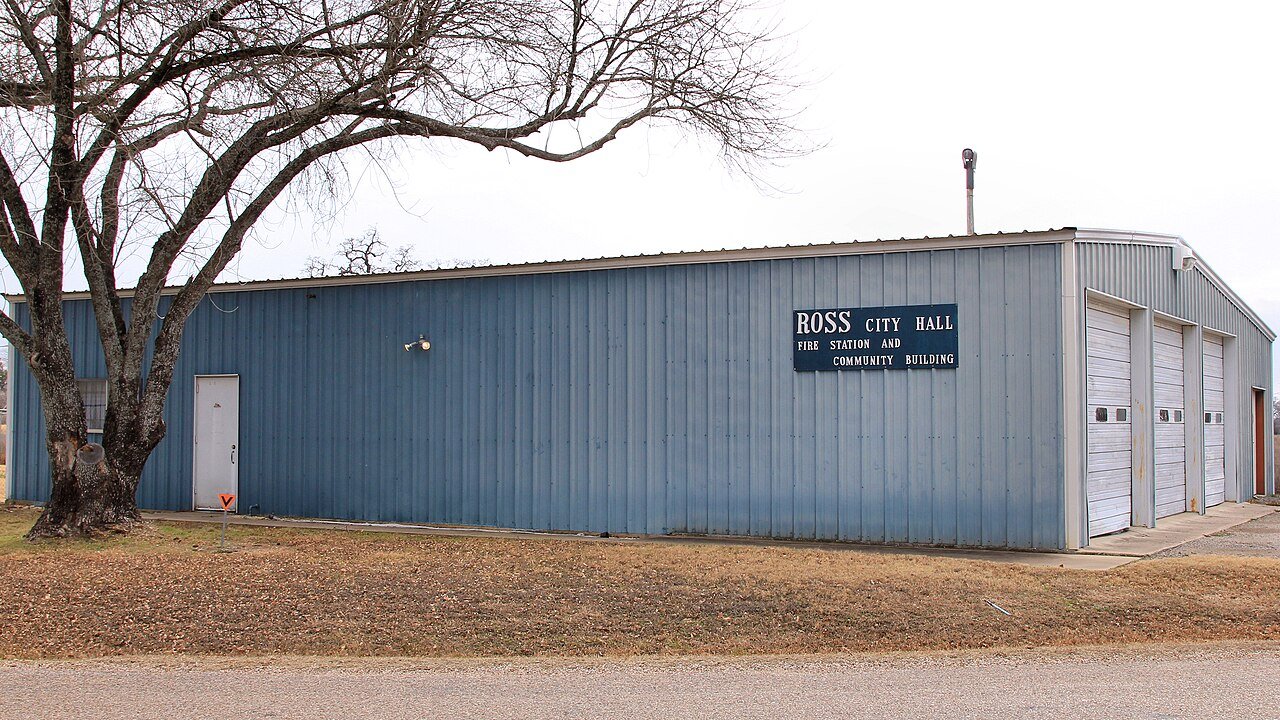
Two towns, two different strengths
What each town does better than most of its state (not better than each other). Tap one to see the page behind it.
Where they part ways
The rows below where the towns are furthest apart, beyond the Census margin of error. The full table is further down.
What daily life feels like in each
The weather, the land, the history and the people, row by row. None of it is a grade: more snow is a plus to a skier.
A dot marks the most on each row. Climate: NOAA 1991–2020 normals at the nearest station. Hazard risk: FEMA National Risk Index, expected yearly damage vs U.S. towns.
91 miles apart
Straight-line miles between town centers.
What matters to you?
Pick a few. Those rows jump to the top and the best fit on each is marked. There’s no overall score: what matters is up to you.
Ask the people who live there
The numbers stop at the town line. Neighbors can tell you about the commute at 7am, the schools, the winters and the feel of the place.
Set another town beside Cool and Ross
One tap adds it. Up to 4 towns at once.
Towns like Cool

Sources: U.S. Census Bureau American Community Survey 5-year estimates, 2010 & 2020 censuses, LEHD commute flows; Zillow Home Value Index; NCES Common Core of Data; FBI crime reporting; CDC PLACES; FEMA National Risk Index; NOAA U.S. Climate Normals 1991–2020; USGS PAD-US and OpenStreetMap. “±” is the Census margin of error; differences inside it are never called. Property tax is top-coded by the Census at $10,000+. There is no overall score: which town is better depends on what matters to you.