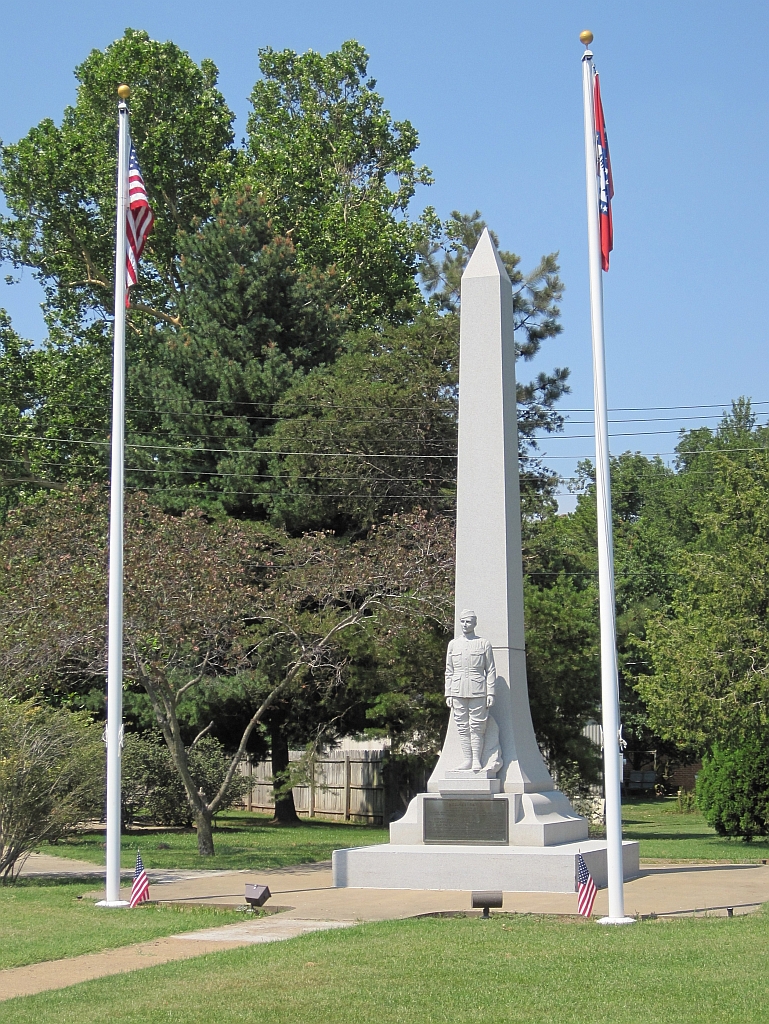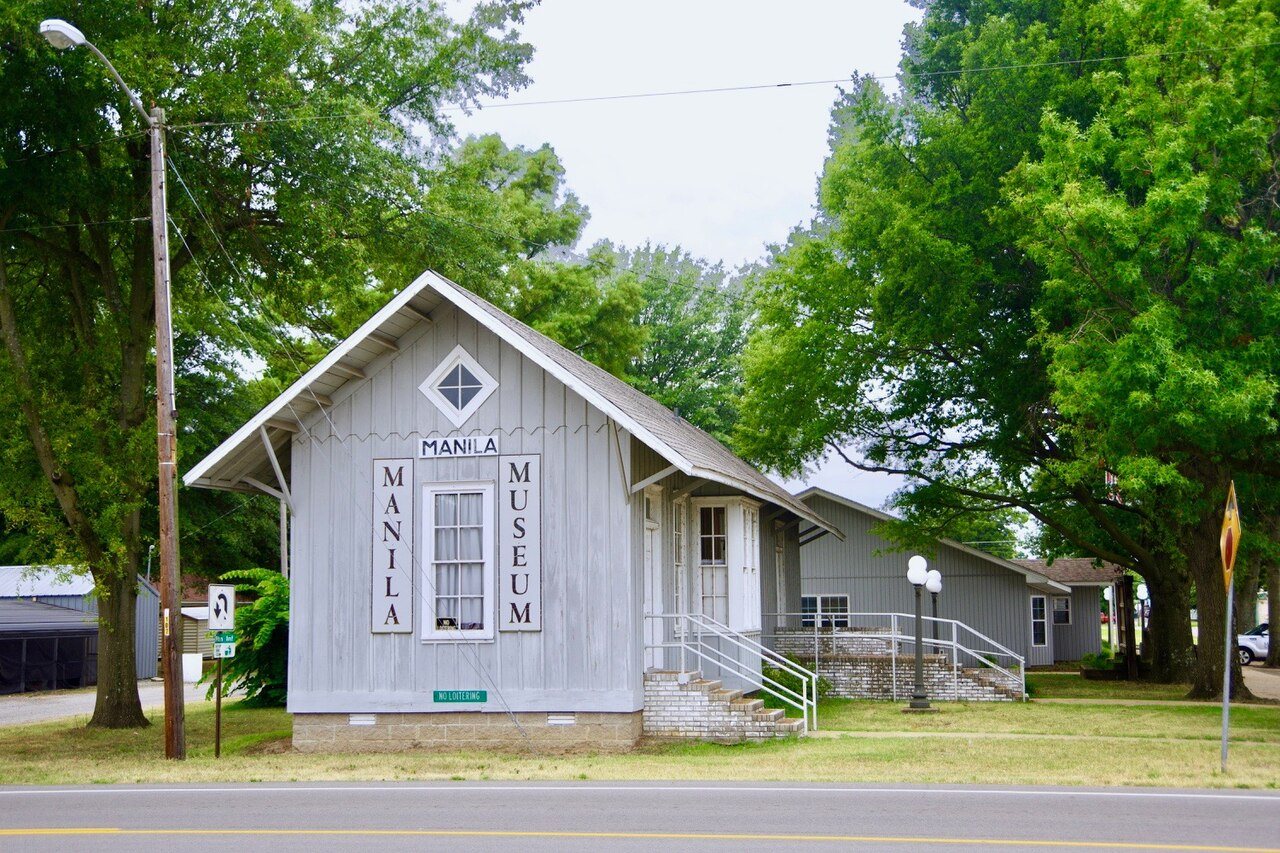
2018 · Manila-Depot-Museum-ar · Wikimedia Commons
Manila’s story
Manila in pictures
3 postcards, papers and photographs from public archives, and 2 places on the National Register.
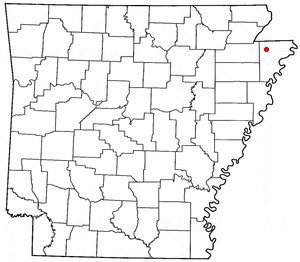
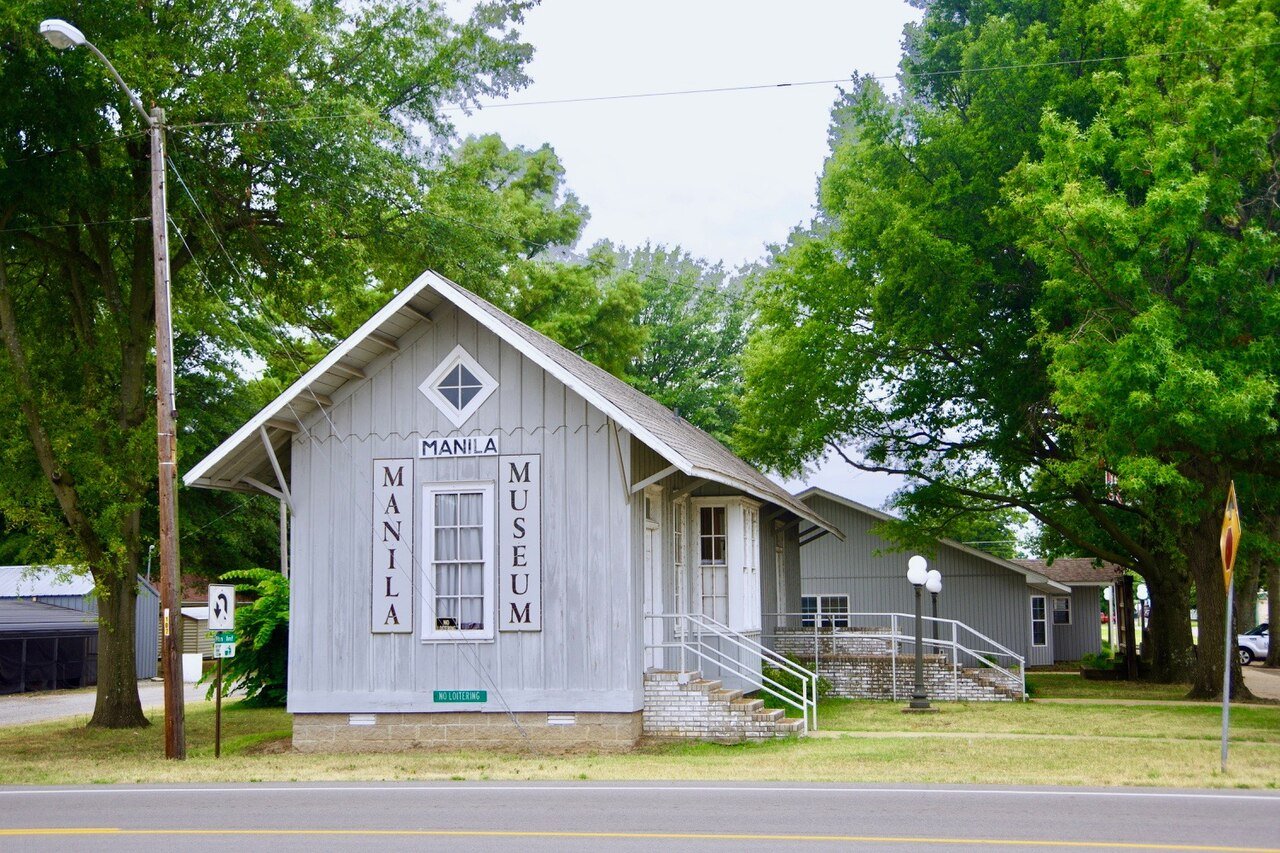
A town of 3,691. Public schools that outperform most of Arkansas.
The 3 things Manila does most differently from other towns.
3,342 people in 2010; 3,691 today.
U.S. Census 2010 & 2020 · ACS
Be the first to start the conversation.
Nothing on the calendar.
Ordered by what stands out in Manila. Another town gets a different order.
The public schools Manila’s kids attend, from kindergarten through graduation, outperform 76% of Arkansas’s districts on state tests and graduation. Among towns with similar incomes, they rank near the top.
| School | Grades | Students | Grade |
|---|---|---|---|
| Manila Elementary School | PK–6 | 601 | B− |
| Manila High School | 7–12 | 476 | B |
The typical Manila home is worth about $208,000, up 4.8% in a year, 8% below the Arkansas typical home.
1.9 miles of trails across 2 parks and preserves.
| Biggest places to walk | Trails | Acres |
|---|---|---|
| 1. Manila City Park | 0.7 mi | 22 |
| 2. Herman Davis State Park | 0.1 mi | 1 |
Manila beats the Arkansas average on 1 of 32 CDC measures and trails it on 2.
| What stands out | Manila | AR |
|---|---|---|
| Fewer older adults who have lost all their teeth | 14.4% | 18.6% |
| More smokers | 18.9% | 15.8% |
Manila reports more crime per resident than most U.S. towns we grade: about 81% report less. Within Arkansas, it does better than 39% of towns.
Most working residents leave Manila for work: only 18% work in town. The top destinations are Jonesboro (11%), Blytheville (11%) and Osceola (4%). Half commute less than 21 miles.
Expected storm and flood damage is higher than in 69% of U.S. communities.
Manila has mild winters and warm summers, with plenty of rain. A typical July afternoon reaches 90°, a January night drops to 30°, and about 4 inches of snow falls in a normal winter.
Adults 35 to 64 are 30% of residents (37% statewide); children under 18 are 28% of residents (23% statewide). 15% of adults 25 and older have a bachelor’s degree or more, vs 26% across Arkansas.
| Manila | AR | U.S. | |
|---|---|---|---|
| Under 10 | 21.1% | 12.3% | 11.6% |
| 10 to 17 | 7.1% | 10.8% | 10.3% |
| 18 to 24 | 2.7% | 9.4% | 9.1% |
| 25 to 34 | 24.7% | 13% | 13.7% |
| 35 to 44 | 4.4% | 12.7% | 13.2% |
| 45 to 54 | 11.1% | 11.8% | 12.2% |
| 55 to 64 | 14% | 12.5% | 12.7% |
| 65 to 74 | 8.7% | 10.3% | 10.2% |
| 75 and older | 6.2% | 7.2% | 7% |
| No diploma | 7% | 11.3% | 10.4% |
| High school | 41.6% | 34.1% | 26% |
| Some college | 11.2% | 20.7% | 19.1% |
| Associate’s | 24.9% | 8.2% | 8.8% |
| Bachelor’s | 9.5% | 16.3% | 21.6% |
| Graduate | 5.7% | 9.5% | 14.1% |
3 postcards, papers and photographs from public archives, and 2 places on the National Register.
2 places in Manila on the National Register of Historic Places.
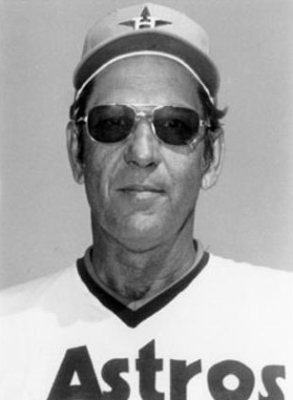
4 notable people were born in Manila.
City in Arkansas, United States
Manila is a city in Mississippi County, Arkansas, United States. The population was 3,682 at the 2020 census, up from 3,342 in 2010. It was the hometown of World War I sniper Herman Davis.
From Wikipedia, licensed CC BY-SA 4.0 · facts via Wikidata (CC0)